
7 Best Natural Supplements to Boost Immunity
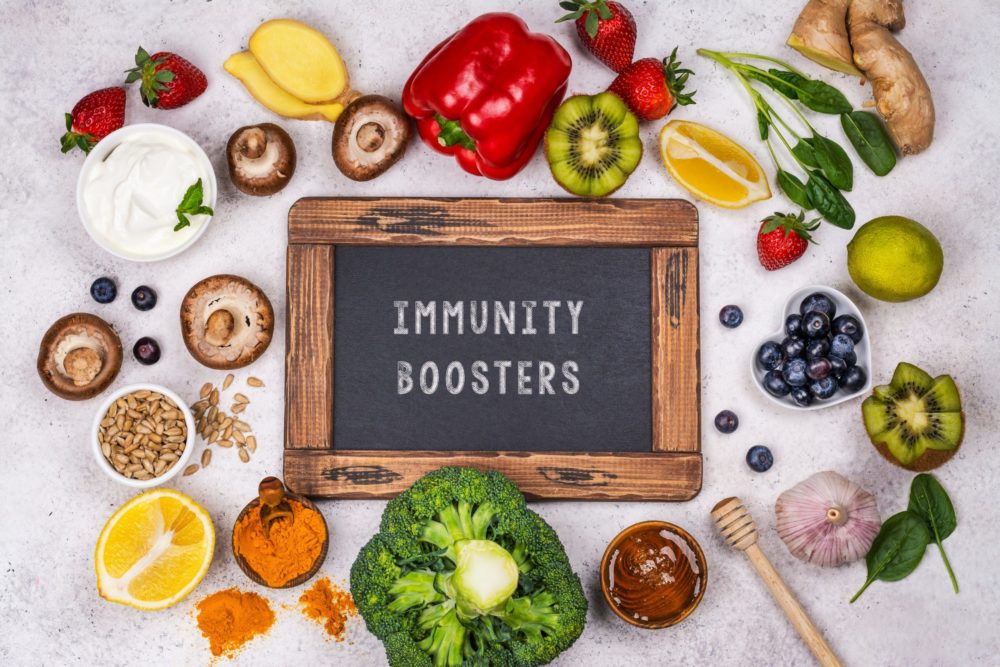
Natural supplements are bought and taken for a variety of reasons. Some supplements are marketed as weight loss aides, performance boosters, and muscle growers. Others are said to boost brain power, delay the effects of aging, and even improve libido.
However, one of the most basic reasons as to why people buy into the idea of taking supplements is to improve (or maintain) their immunity against diseases.
As with many supplement brands, there are too many immune-boosting formulas with all their fancy blends, features, and celebrity endorsers.
How do you know which products work and which ones are just out to cash in? This blog will help you choose the best supplements to boost your immune system.

How the immune system works
Before we dive in on the best natural supplements to boost your immune system, let’s first do a short recap about how the immune system works.
As you know, the immune system is the body’s main defense against disease and infections. Our immune system acts like soldiers that attack unwanted bacteria (because some are actually helpful) and keep us healthy.
At the forefront are white blood cells or leukocytes. Leukocytes are divided into two main types: Phagocytes and Lymphocytes.
Phagocytes strike the invading organisms while the lymphocytes make sure the body remembers the invaders and be more prepared the next time those same invaders attack. This is also how we develop “immunities” to diseases, much like chickenpox.
That’s the short and simplified version of how our immune system works. It should also be noted that this is how vaccines work: they introduce weakened forms of bacteria or viruses into the body so we can develop immunities to them.
How to tell if your immune system is working
A little known fact about the immune system:
Our bodies are constantly fighting foreign invaders, but because most of those invaders are either previous attackers or just weak overall, we go about our day not noticing any changes.
We could have a slight fever in the middle of the day or we may feel a bit fatigued, but otherwise everything is normal.
However, if there’s a new bacteria or virus, a sure sign that your body’s immune system is working is by having a fever or a flu. They may be unpleasant and downright ruin your plans for the week, but they’re signs your body is doing its job.
Fevers happen when the body tries to kill the invaders with an increase in body temperature. When we have a fever, it’s also a sign that the body is releasing white blood cells.
So the next time you have a bad fever, you can thank yourself because it means you’re healthy enough to not be immunocompromised.
Boost your immunity naturally
The best way to strengthen your immune system is by eating right, getting exercise, and sleeping well.

Diet
Eating right is perhaps the most important of the three.
Someone who doesn’t move much or doesn’t get much sleep can pretty much have a decent immune system if their diet is just enough for what their body needs.
Because no matter how much you exercise or sleep, you can only get nutrients from eating the right foods like fruits and vegetables.
Having a nutritious diet is also a great way to improve gut health, especially the growth of our gut bacteria.
Studies have shown that our gut bacteria vastly determines how good our immune system is when it comes to fighting off diseases.
Fibrous vegetables (such as kale and broccoli) and fermented foods (such as sauerkraut) help boost gut bacterial health and support gut bacterial proliferation.
Exercise
While we all know that daily exercise or physical activity can help reduce the risk of certain diseases such as heart disease, exercising also has a direct way of adding to our immune system.
- Studies suggest exercising helps “flush” bacteria out of lungs and airways, reducing the risks of getting a cold or flu.
- Exercising can cause white blood cells to circulate better, thus enabling them to detect illnesses earlier.
- The temporary rise in body temperature can slow the growth of foreign invaders.
- Exercise can also reduce stress, and experts have linked stress to an increased risk of illness.
Sleep
Sleep is like the icing on the cake when it comes to optimal immunity.
Sleep is the ONLY time our body gets to focus on recovery and damage repair, so getting at least 7 or 8 hours of sleep enables the body to be at 100% by the time you wake up.
Sleep is also the time when the body replenishes “lost” white blood cells or generates newer ones. This is why people who barely get 5 or 6 hours of sleep experience common colds and fevers more: Their bodies have a hard time fighting and adapting to infections because of a weakened (yet still working) immune system.
The 7 best natural supplements to boost immunity
Let’s say you do all those three, but want to make sure your immune system is in top shape 24/7, or your current lifestyle prevents you from ticking all those boxes. This is where supplementation comes in.
Below are some of the best natural supplements to boost your immune system.
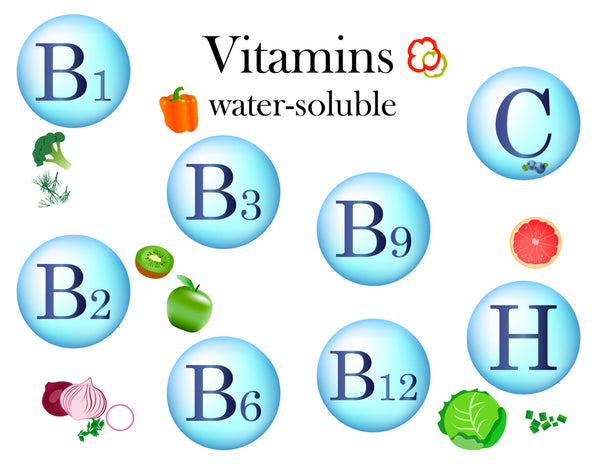
1. Vitamin C
The most popular natural supplement (and arguably vitamin) of all time is vitamin C. As kids, our parents would always tell us to eat our fruits and drink orange juice because it will keep us from getting sick. Even TV commercials basically told everyone that vitamin C is a barrier against bacteria and germs.
What does science say? Studies suggest that a daily dose of vitamin C can help protect against coughs and wheezing, indicating a potential antioxidant effect especially in smokers. [1]
Other studies say vitamin C can directly boost white blood cell count. [2]
2. Zinc
Zinc directly supports wound recovery, provides antioxidant benefits, and is anti-inflammatory by nature. Zinc has also been cited as an effective mineral to take when you have the common cold.
“The evidence is thus very strong that zinc lozenges may shorten the duration of colds by approximately 33%.” [3]
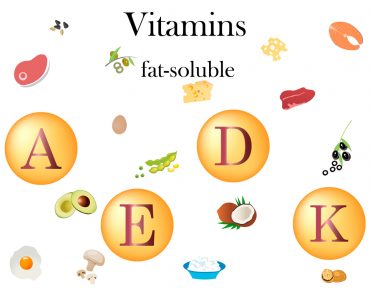
3. Vitamin D
Getting an adequate dose of vitamin D (whether from food, supplements, or sunlight) can help fight off depression, heart disease, and even certain cancers.
Studies show that vitamin D deficiency is also linked with autoimmune disorders and an increased susceptibility to infections.
“There have been multiple cross-sectional studies associating lower levels of vitamin D with increased infection. One report studied almost 19,000 subjects between 1988 and 1994. Individuals with lower vitamin D levels were more likely to self-report a recent upper respiratory tract infection than those with sufficient levels, even after adjusting for variables including season, age, gender, body mass and race.” [4]
4. Echinacea
Also known as purple coneflower, echinacea is considered one of the most popular herbal extracts in the world. It’s best known as an OTC herbal remedy for when you have the flu or the common cold.
Outside of infections, echinacea has also been cited for its anti-inflammatory and pain-killing properties.
In the immune system, echinacea has been shown to reduce the risks of having colds by more than 50% and shorten the duration of colds by 1.5 days. [5]
5. Astragalus
A traditional Chinese herb, it’s believed to help prolong life and treat a multitude of ailments like fatigue, allergies, and colds. Some even cite its potential regarding heart disease, diabetes, and other inflammatory diseases.
Studies show astragalus can help increase white blood cell production and even directly kill bacteria and viruses during infections. [6]
6. Vitamin E
Long hailed as an anti-ageing vitamin, this fat-soluble antioxidant can also enhance the immune response and provide protection against multiple infectious diseases.
Experts say it works by directly improving white blood cell count and improving white blood cell activity.
“The [white blood cell] activity of a boy with Shwachman syndrome who had a severe vitamin E deficiency was low, but improved after eight weeks of 100 mg/d α-tocopherol supplementation…Vitamin E has been shown to increase the cell division and IL-2 producing capacity of naïve T cells, increase the percentage of T cells capable of forming an effective immune synapse.” [7]

7. Beta Glucans
Sourced mostly from mushrooms and grains, Beta glucan is a soluble fiber known to have heart-healthy properties as well as support overall immunity.
Some of the research on the benefits of Beta glucans include their benefits on cardiovascular health, inflammation, and immunity.
- Inflammation: Research suggests beta glucans reduce inflammation by lowering pro-inflammatory cytokine activity. Cytokines are the main biomarker of inflammation.
- Immunity: Beta glucan functions as an immunomodulating agent or a substance that helps fight disease. Beta glucans work by setting off adaptive immune cell responses, reducing tumor growth and spread.
- Heart health: Beta Glucan is a type of soluble dietary fiber. When it comes to heart health, the best ones are those with the highest beta glucans content such as shiitake.
You can have your daily dose of Beta Glucan by trying Phytocopeia ImmunoBRAN.
Summary
Our immune system is an amazing blend of various biochemical processes that allow our body to not just fight off infections and other diseases, but also let us live our lives normally.
Making sure our body is always on top of its immunity should be on top of our priorities. You can improve your immune system through eating nutrient-dense foods, exercising, and getting enough sleep.
Science has also confirmed that supplementation can have positive effects on how fast our immune system responds and how well they fight infections. Some of the best natural supplements you can take for immunity are vitamin C, zinc, vitamin D, echinacea, astragalus, vitamin E, and Beta Glucans.
References:
- Carr AC, Maggini S. Vitamin C and Immune Function. Nutrients. 2017;9(11):1211. Published 2017 Nov 3. doi:10.3390/nu9111211
- van Gorkom GNY, Klein Wolterink RGJ, Van Elssen CHMJ, Wieten L, Germeraad WTV, Bos GMJ. Influence of Vitamin C on Lymphocytes: An Overview. Antioxidants (Basel). 2018;7(3):41. Published 2018 Mar 10. doi:10.3390/antiox7030041
- Hemilä H. Zinc lozenges and the common cold: a meta-analysis comparing zinc acetate and zinc gluconate, and the role of zinc dosage. JRSM Open. 2017;8(5):2054270417694291. Published 2017 May 2. doi:10.1177/2054270417694291
- Aranow C. Vitamin D and the immune system. J Investig Med. 2011;59(6):881–886. doi:10.2310/JIM.0b013e31821b8755
- Shah SA, Sander S, White CM, Rinaldi M, Coleman CI. Evaluation of echinacea for the prevention and treatment of the common cold: a meta-analysis. Lancet Infect Dis. 2007;7(7):473-80.
- Li ZX, Zhao GD, Xiong W, et al. Immunomodulatory effects of a new whole ingredients extract from Astragalus: a combined evaluation on chemistry and pharmacology. Chin Med. 2019;14:12. Published 2019 Mar 27. doi:10.1186/s13020-019-0234-0
- Lee GY, Han SN. The Role of Vitamin E in Immunity. Nutrients. 2018;10(11):1614. Published 2018 Nov 1. doi:10.3390/nu10111614