
8 Healthy Phytochemicals in Strawberries
What are Phytochemicals?
Phytochemicals are the chemicals from plants (“Phyto” means “plant”) having different health benefits. We can isolate these chemicals by using different extraction methods. These chemicals protect the plant from fungal, bacterial, viral, parasitic and animal attacks.
Some phytochemicals have been used as poisons and some as traditional medicines. Phytochemicals like flavonoids give colour to flowers, fruits and vegetables.
Phytochemicals are classified into two major categories: carotenoids and polyphenols [1].
Read: How Phytochemicals Benefit The Human Body
What exactly is a Strawberry?
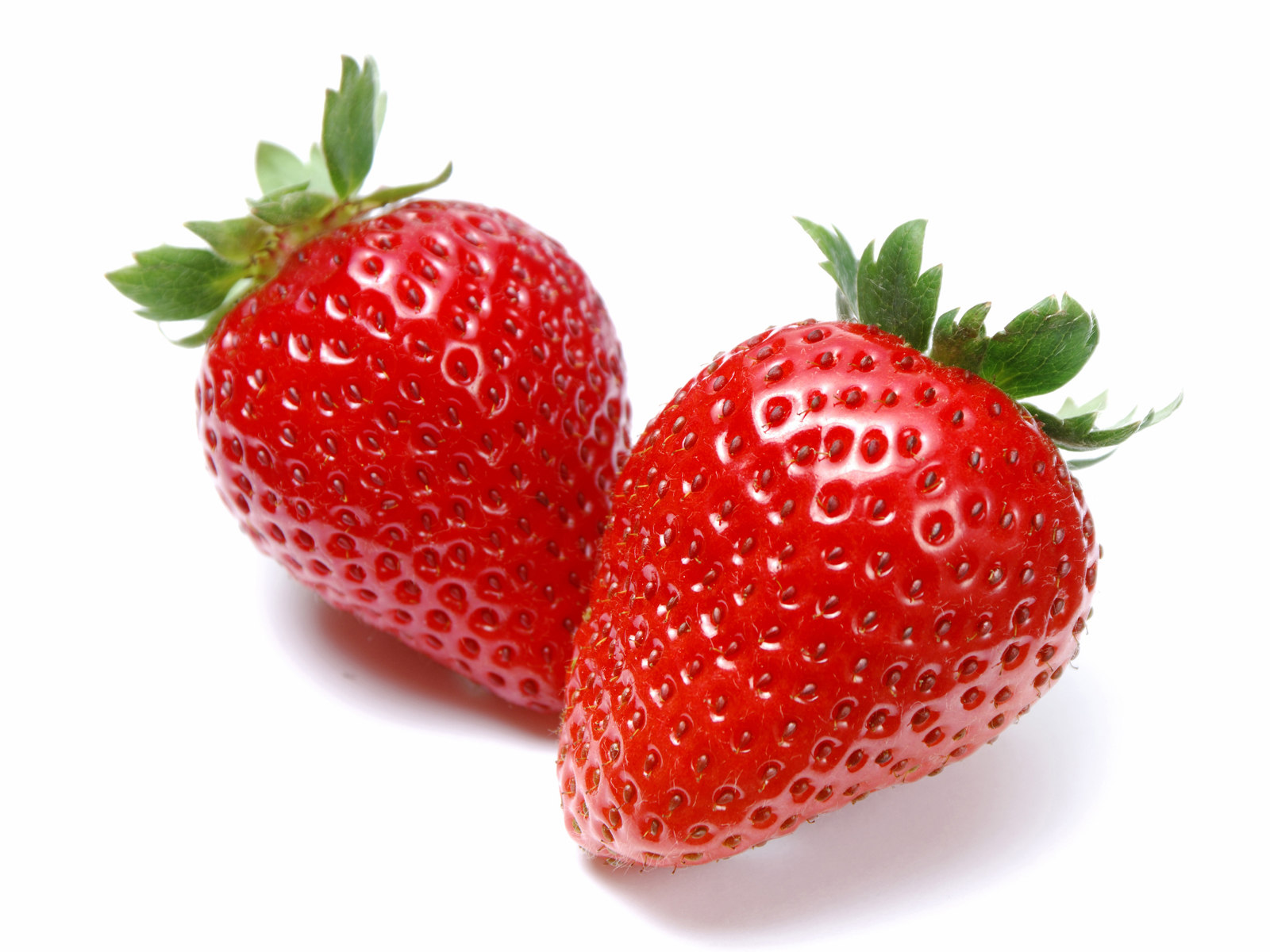
Strawberries (Fragaria Ananassa) belong to the family Rosaceae of the kingdom Plantae is widely cultivated as fruit worldwide.
Strawberries are known for their sweet juicy taste and bright red colour with a pleasant aroma. It is used widely as fresh fruit or in prepared food forms like jams, juices, shakes and ice creams etc. artificial strawberry flavours are in use to make different products like lip gloss, candies, soaps and perfumes etc.
As the fleshy part of strawberry fruit originates from other tissues or not from the ovary of the plant, it is known as an aggregate accessory fruit.
- Strawberries consist of water ( 91%), carbohydrates (8%), protein (1%) and negligible amounts of fats.
- Strawberries are a good source of vitamin C and manganese along with several other micronutrients.
The major phytochemicals present in strawberries are flavonoids and phenolic acids. These phytochemicals have promising antioxidant, anti-atherosclerotic, anti-neurodegenerative and anticancer properties [2].
8 Healthy Phytochemicals in Strawberries
The polyphenols like flavonoids and phenolic acids are the major phytochemicals present in strawberries. The most common flavonoids in strawberries are anthocyanin, flavanols and flavonols.
Neochlorogenic acid, p-coumaryl quinic acid and chlorogenic acids are the common phenolic acids in strawberries.
- The other important phytochemicals of strawberries are ellagitannins, stilbenoids proanthocyanidins and gallotannins [2].
1. Anthocyanin
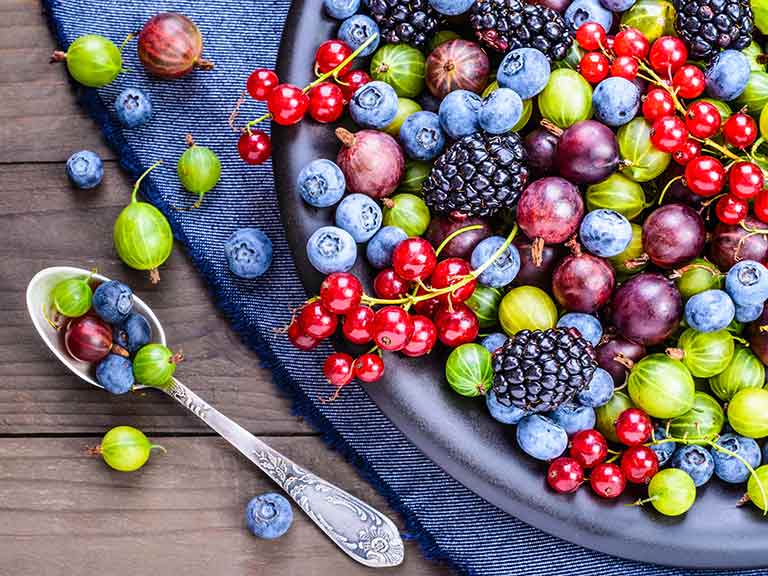
Anthocyanins (polyphenolic flavonoids) are coloured water-soluble pigments present in plants. The red, purple, blue and black colours of different fruits and vegetables are due to the presence of anthocyanins.
In general, we can say that fruits having red, purple, blue and black colours are rich in anthocyanins.
- The major role of anthocyanins in plants is to attract pollinators and seed dispersers to facilitate reproduction. They also protect the plant from biotic and abiotic stresses.
Anthocyanins are rich in antioxidants and have promising anti-inflammatory activity, so they boost the immune system to fight against various diseases.
Due to the high amount of antioxidants anthocyanins protect us from various cancers, as antioxidants effectively neutralize the free radicals that produce cancer cells.
- Anthocyanin pigments protect the skin damage by blocking UV radiation [3].
2. Flavanols
Flavanols are polyphenolic flavonoids present in different fruits and vegetables.
Flavanols have good antioxidant activity, they play an important role in the circulation of oxygen and other micronutrients throughout the body. High levels of flavanols improve brain function, reduce the risk of cardiovascular diseases and protect the skin from radiation.
- Recent studies confirmed that flavanols maintain the elasticity of blood vessels to facilitate normal blood flow [4].
3. Flavonols
Flavonols are the major class of flavonoids present in plants. Flavonols are colourless compounds mostly present in the outer parts (skin) of fruits and vegetables as their biosynthesis is dependent on sunlight.
- Quercetin is the most important flavonol present in plants [5].
4. Quercetin
Quercetin has promising antioxidant properties, it kills reactive oxidative species very effectively. Reactive oxidative species or free radicals are responsible for cancer cell production and the ageing process.
Quercetin controls the blood sugar level, blood pressure and also fights against different heart diseases [6].
RejuvaPro is a product by phytocopeia having quercetin (Flavonoid) and vitamin C. It is an effective product to fight against reactive oxidative species and free radicals that are responsible for early ageing and cancer cell production.
5. Chlorogenic acids
Chlorogenic acid is an ester of quinic acid and caffeic acid, mostly found in coffee beans.
- Plants also have chlorogenic acids in their fruits and vegetables, the main sources are apples, pears, eggplant, blueberries, tomatoes, strawberries, and potatoes.
Chlorogenic acids are very effective in reducing body weight and lowering blood pressure. They lower the blood sugar level due to which the total body fat level reduces. These acids also have promising antioxidant, anti-inflammatory, and anti-bacterial activities.
Upon messaging of the chlorogenic acid mixture on the skin, tightens the skin temporarily and gives a fresh young look [7].
6. Ellagitannins
Ellagitannins are polyphenols present in different plants, but the occurrence of these polyphenols is very limited to a few berries and nut species. Ellagitannins possess anticancer, antioxidant, anti-inflammatory, antibiotic and cardioprotective properties.
These phytochemicals have promising free-radical properties to inhibit various cancers [8].
7. Stilbenoids
Stilbenoids are various polyphenolic phytochemicals present in many plant species. These phytochemicals are very effective in the treatment and prevention of various diseases.
Due to their potent antioxidant and anti-inflammation properties, they play an important role in the treatment of various cancers [9].
8. Fisetin
Fisetin is a flavonol sourced from many types of fruits and vegetables and serves as a plant’s yellow coloring agent. Experts say it’s a promising anti-aging compound that also has anti-inflammatory, antioxidant, and immune-supporting benefits. Phytochemicals like fisetin are potent anti-inflammatory compounds and can lower the risk of chronic inflammatory diseases. This entails potential benefits for chronic inflammatory conditions such as arthritis.
Fisetin
Promotes longevity, healthy aging, and provides cognitive support for long-term health.
Smaller particle size which helps to improve its bioavailability by increasing surface area absorption thus optimizing its full health effects.
Wrap up
Strawberry, a commonly used fruit, consists of several phytochemicals that are beneficial to health.
The most common phytochemicals in strawberries are anthocyanin, flavanols, flavonols, neochlorogenic acid, p-coumaroylquinic acid, chlorogenic acids, ellagitannins, stilbenoids, proanthocyanidins and gallotannins.
These phytochemicals have many medicinal uses like quercetin (a flavonol) is in use as an alternative drug for different diseases.
These phytochemicals have promising anti-oxidant, anti-cancer, anti-tumour and anti-inflammation properties. So eating strawberries are beneficial to the human body.
References
- Craig, Winston J. “Phytochemicals: guardians of our health.” Journal of the American Dietetic Association 97, no. 10 (1997): S199-S204.
- Miller, Katharina, Walter Feucht, and Markus Schmid. “Bioactive compounds of strawberry and blueberry and their potential health effects based on human intervention studies: A brief overview.” Nutrients 11, no. 7 (2019): 1510.
- Wallace, Taylor C., and M. Monica Giusti. “Anthocyanins.” Advances in Nutrition 6, no. 5 (2015): 620-622.
- Schroeter, Hagen, Christian Heiss, Jeremy PE Spencer, Carl L. Keen, Joanne R. Lupton, and Harold H. Schmitz. “Recommending flavanols and procyanidins for cardiovascular health: current knowledge and future needs.” Molecular aspects of medicine 31, no. 6 (2010): 546-557.
- Hollenberg, Norman K. “Cocoa Flavonols and Cardiovascular Risk.” (2004).
- Tang, Si-Min, Xue-Ting Deng, Jian Zhou, Quan-Peng Li, Xian-Xiu Ge, and Lin Miao. “Pharmacological basis and new insights of quercetin action in respect to its anti-cancer effects.” Biomedicine & Pharmacotherapy 121 (2020): 109604.
- Liu, Dahui, Wei Liu, Duanwei Zhu, Mingjian Geng, Wenbing Zhou, and Tewu Yang. “Nitrogen effects on total flavonoids, chlorogenic acid, and antioxidant activity of the medicinal plant Chrysanthemum morifolium.” Journal of Plant Nutrition and Soil Science 173, no. 2 (2010): 268-274.
- Ascacio-Valdés, Juan A., José J. Buenrostro-Figueroa, Antonio Aguilera-Carbo, Arely Prado-Barragán, Raúl Rodríguez-Herrera, and Cristóbal N. Aguilar. “Ellagitannins: biosynthesis, biodegradation and biological properties.” Journal of Medicinal Plants Research 5, no. 19 (2011): 4696-4703.
- Thu, Zaw Min, Ko Ko Myo, Hnin Thanda Aung, Chabaco Armijos, and Giovanni Vidari. “Flavonoids and stilbenoids of the genera Dracaena and Sansevieria: Structures and bioactivities.” Molecules 25, no. 11 (2020): 2608.