
The 4 Benefits of Taking Allicin Supplements
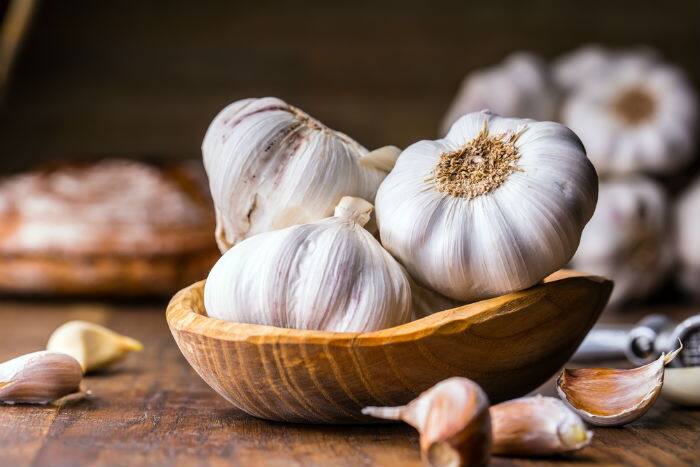
Allicin, a compound that helps reduce inflammation, is the key component found in garlic.
Apart from its anti-inflammatory properties, Allicin is also known for several other benefits. In fact, this is the very substance that gives garlic the strong smell it is known for.
What is Allicin?
Allicin is a phytochemical that is produced in raw garlic cloves.
In plants, when it comes to warding off pests, rodents or any kind of predators, they produce pungent smells and tastes in the form of phytochemicals.
Sometimes, these phytochemicals are toxic to small creatures when ingested. In this way, Allicin’s smell is too horrible for would-be pests and often gives predators a horrible experience when consumed.
Quick facts on Allicin
- Allicin is an organosulfur compound that is obtained from garlic.
- Garlic cloves (Allium Sativum), produce more allicin through enzymatic reactions when the plant is either injured or attacked.
- Allicin is usually formed after alliinase converts alliin to Allicin. In the supplement industry, Allicin is also referred to as garlic pills.
Along with helping the garlic plants fend off the predators, it is also known to have several health benefits. Here are four evidence-backed health benefits of Allicin.
4 Health benefits of Allicin
1. Allicin is a Powerful Antioxidant
Researchers cite how Allicin is a potent antioxidant, capable of protecting the body from excess oxidation and free radical damage.
Since it is a great source of antioxidants, it can significantly reduce oxidative stress and help protect against cellular damage, especially when it comes to brain cells as well as any other health problems related to aging.
2. Allicin Supports Cardiovascular Health
High cholesterol levels is associated with a plethora of metabolic diseases, especially ailments related to heart health. These are high blood pressure, strokes, and arterial plaque buildup.
Some studies have observed that people who regularly consume garlic. or has garlic as part of their main meals, can control their cholesterol levels better than those who don’t consume garlic at all. This makes experts believe garlic has cholesterol-lowering properties.
It is said that the way garlic is prepared and the process through which Allicin is extracted explains this. S-Allylcysteine, a bio-available byproduct of Allicin metabolism, has been cited to help lower cholesterol.
3. Allicin Has Natural Antibacterial Properties
Allicin, due to it being a phytochemical, possesses anti-bacterial properties.
In a study published in 2014 in the Molecules States, “Allicin can inhibit the proliferation of both bacteria and fungi, or kill cells outright, including antibiotic-resistant strains like methicillin-resistant Staphylococcus aureus (MRSA).”
Research shows Allicin gets this antimicrobial property from its reaction with different enzymes like thiol groups. In several studies, it has also been stated that Allicin is used to heal ulcers and fight different pathogens like S.Aureaus, E.coli, and Heliobacter.
4. Allicin Has Anti Cancer Properties
As mentioned previously, Allicin is capable of inducing cell death.
Cell death is when a substance triggers a specific cell’s “death” button, disintegrating it before it can spread. The concept of cell death has been looked at by several cancer researchers, and Allicin seems to have a similar effect on cancer cells.
This property can inhibit cancerous cell proliferation and kill the bad cells right away. Moreover, other papers suggest consuming garlic on a regular basis can even reduce the risk of prostate, stomach, as well as colon cancer.
Takeaway
These are four of the many health benefits of Allicin, a compound that is found in Garlic cloves. Each one of these benefits reflects its antioxidant, antibacterial, antifungal, and anti-inflammatory properties. So, hands-down it is one of the powerful compound that is found in garlic.
References:
- Borlinghaus J, Albrecht F, Gruhlke MC, Nwachukwu ID, Slusarenko AJ. Allicin: chemistry and biological properties. Molecules. 2014 Aug 19;19(8):12591-618. doi: 10.3390/molecules190812591. PMID: 25153873; PMCID: PMC6271412.
- Prasad K, Laxdal VA, Yu M, Raney BL. Antioxidant activity of allicin, an active principle in garlic. Mol Cell Biochem. 1995 Jul 19;148(2):183-9. doi: 10.1007/BF00928155. PMID: 8594422.
- Oommen S, Anto RJ, Srinivas G, Karunagaran D. Allicin (from garlic) induces caspase-mediated apoptosis in cancer cells. Eur J Pharmacol. 2004 Feb 6;485(1-3):97-103. doi: 10.1016/j.ejphar.2003.11.059. PMID: 14757128.
- Lu Y, He Z, Shen X, Xu X, Fan J, Wu S, Zhang D. Cholesterol-lowering effect of allicin on hypercholesterolemic ICR mice. Oxid Med Cell Longev. 2012;2012:489690. doi: 10.1155/2012/489690. Epub 2012 Aug 9. PMID: 22928080; PMCID: PMC3425886.