
The 5 Biggest Things That Affect Your Health
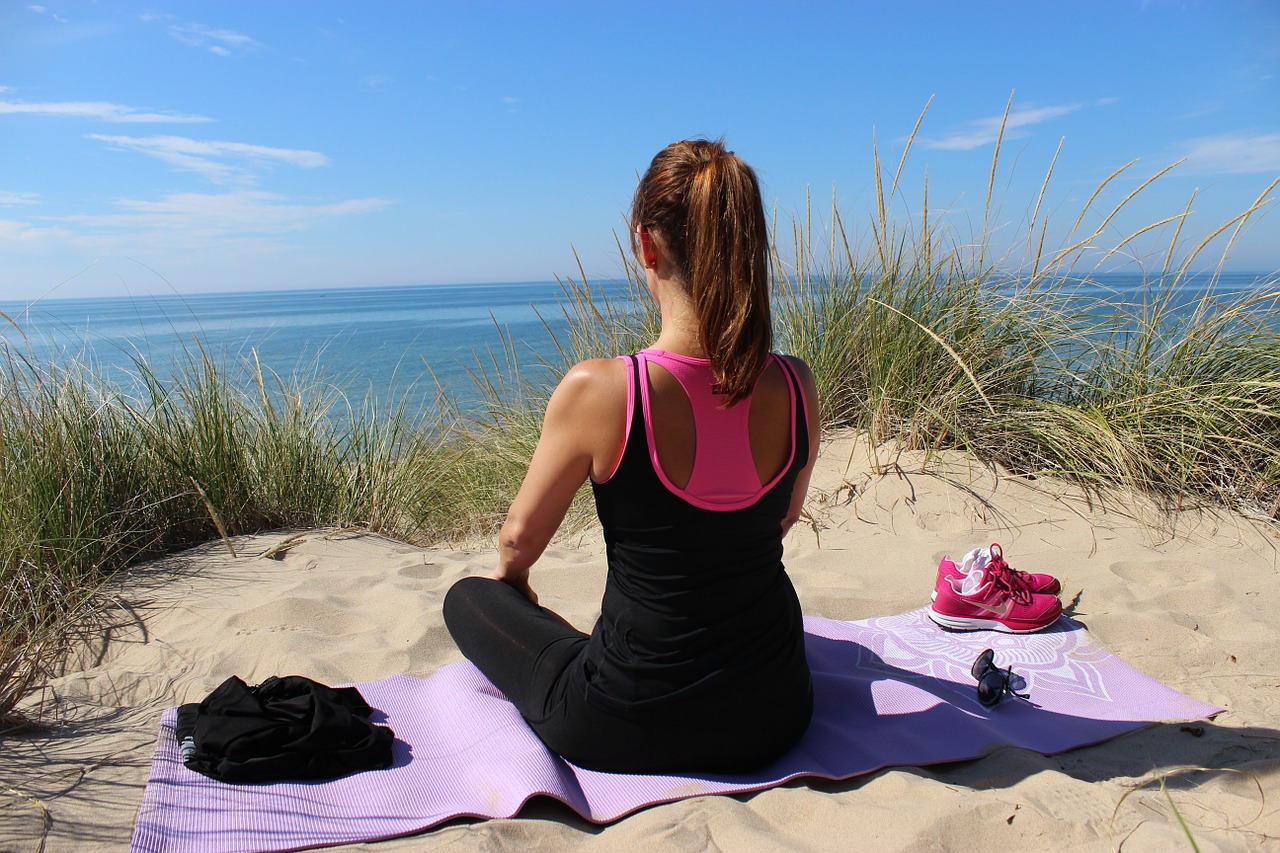
Minimalist diets, health hacks, tricks to improve your mental health, weird fitness trends, these are all things you keep seeing whenever you browse the health side of the internet.
Regardless of what is currently trending, the message is clear: People are always interested in becoming healthier. People are interested in improving themselves mentally and physically, and they want to get there the fastest way possible.
People want to be strong, happier, and more importantly, healthier than ever before, and they are willing to pay a lot of money just to know what it’s like to be a better version of themselves.
But, there is no shortcut to health and wellness
Not all who work hard became successful, but all those who became successful worked hard. You can apply the same theme when it comes to being strong and healthy.
Being healthy is all about the grind and consistency, and there is no magic pill that can turn your Clark Kent into a Superman overnight.
The 5 Biggest Things That Affect Your Health
There is no shortcut to health and wellness, the road is wide open to anyone who wants to tread it. Here are The 5 Biggest Things That Affect Your Health.

1. What Your Skin Absorbs
The skin is the largest organ in the body. It offers basic protection against harmful toxins, environmental pollutants, oxidation, prevents us from overheating or feeling too cold, and even converts certain chemicals into nutrients our body needs.
There are many ways the skin is involved in how healthy we truly are, but much of it is what it absorbs throughout the day. For instance, its production of Vitamin D.
Our skin’s production of vitamin D dramatically influences our health. It is influenced by age, skin color, and sunscreen use. Like other nutrients, Vitamin D is critical for a lot of things, but especially for our immunity.
Researchers pointed out that people who are vitamin D deficient are more likely to have weaker immunity and are more susceptible to getting infections. It’s because of how it regulates our immune cells as well as our body’s response to inflammation. [1]
“Most of the evidence, to date, suggests that maintenance of a healthy vitamin D status is important for modulating the body’s immune function. Low serum levels of 25(OH)D are associated with multiple immune-related diseases including autoimmune disorders and infectious diseases.”
More than immunity, vitamin D is also a key nutrient when it comes to calcium absorption and phosphate metabolism. If you’re not getting enough vitamin D (or if you barely get enough sunlight every week), you’re pretty much making it hard for your body to fight infections as well as absorb some key nutrients.
Harmful chemical absorption
The skin absorbs a lot of things and unfortunately, some of them are bad for you.
Spraying toxic bug repellents, creams and other cosmetics influence your immunity.
People of all ages can be affected by chemical skin absorption, but older adults are more likely to have negative effects because of how thin their skin has become.
Why? Because aging skin have less substances that can keep it from being dry and it’s also had years of exposure to sunlight. This makes aging skin prone to harmful chemical absorption.
The last thing you should be doing after 60 is applying cosmetics, moisturizers (unless they are natural), makeup, and using conventional shampoos and conditioners.

2. The Food You Eat Every Day
The word diet is feared by many because it alludes to the mental struggles of not eating food we like and eating food we don’t like in an effort to lose weight and be healthy.
As much as there are many negative connotations with the word diet, it’s simply what we ingest every day. The food we eat on a daily basis determines just how healthy we are on the inside.
There’s a popular saying that goes “You are what you eat,” but with regards to health, we say we are only as healthy as the food we eat.
The food we eat every day is the body’s primary source of nutrients. If we eat junk or empty calories, it’s only natural that our body won’t get much value out of our meal times. If we choose to eat healthier or more whole foods, the body gets more nutrients and maybe even keep some in reserve.
Why you can’t go wrong with the Mediterranean diet
There many types of eating styles and healthy menus in the world, but we think the one that has stood the test of time is the fabled Mediterranean diet.
Many studies reveal that if you’re to choose one diet to follow for cardiovascular, brain health, and longevity, the Mediterranean diet is ideal.
People who follow a Mediterranean diet have been shown to have lower risks of inflammatory diseases, lower markers of cardiovascular disease (especially coronary heart disease), and are able to retain healthy brain function as they age. [2]
The secret of the Mediterranean diet is, of course, the diversity of the food available.
The typical Mediterranean diet consists of:
- Polyunsaturated fat sources like walnuts, sesame seeds, avocado, and flax seeds
- Polyphenols found in coffee, wine, berries, and healthy vegetable oils
- Lean sources of protein
- Omega 3 from fatty fish
- A variety of vegetables like broccoli, kale, carrots, turnips, spinach, and tomatoes
- Colorful fruits loaded with antioxidants like bananas, apples, grapes, dates, and figs
- Herbs and spices like garlic, mint, sage, pepper, and cinnamon
All the foods included in the diet are good for the heart, the brain, for inflammation, and immunity. Based on the food listed, it’s no wonder the Mediterranean diet gets a good rap whenever it’s brought up.

3. The Air You Breathe
Clean air, we take it for granted every day while some constantly have to deal with smoke and pollutants brought about by factory exhaust and other sources.
It wasn’t even long ago when half the world had to deal with asbestos inhalation, and it caused a lot of health problems and lawsuits that many still experience to this day.
Outside of those extreme circumstances, even something as trivial as cigarette smoke inhalation can be detrimental to our overall wellbeing.
If we let our body inhale dirty air for prolonged periods, we can experience health problems such as heart problems, lung diseases, and even weakened immunity. [3]

4. How Much You Move
When you hear the word exercise, you’re instantly teleported to a place with treadmills, barbells, and sweaty people all looking stronger and fitter than you.
Exercise sounds intimidating, but the reality is, exercise is simply the amount of movement we do on a daily basis. In fact, humans didn’t need to exercise regularly before because we got our daily dose of exercise through manual labor or because we used to hunt for food.
However, the wonders of technology and convenience pretty much made exercise an option albeit a choice with long-term and potentially fatal consequences.
What we’re trying to say is, you don’t necessarily need to pay for a gym membership or buy expensive equipment to exercise.
Researchers say all individuals benefit from regular physical activity, whether from vigorous exercise or something light.
Even among frail and older adults, mobility and basic function can be improved through exercise. Moreover, exercise has been shown to lower morbidity and mortality from many chronic diseases. [4]

Our immunity is also directly correlated to how much we move. Studies have linked sedentary lifestyles to more than 25% of deaths from major chronic diseases where immunity was fully impaired.
Move more to live longer
You have to realize muscle mass, fat loss, and all the bells & whistles of working out are nice to have, but not necessary. The goal of exercise to use your muscles in ways we were meant to use them for long-term health and fitness, and this can be achieved by simple tasks.
Walking, climbing stairs, lifting heavy pieces of equipment, climbing over a fence, a good dose of exercise can be accomplished by simply doing household chores every day. Even something as trivial as tending your garden or painting a part of your house is considered exercise.
The important part of exercise isn’t the numbers, but the consistency that you do them. Of course, it would be nice if you actually dedicate a portion of your time to do conventional exercises, but like we said, you don’t have to if your goal is to just stay healthy and fit.

5. What Goes On Inside Your Head
What we allow to enter our mind is what will decide how we perceive the world. More importantly, we must make sure every thought we have has a means of getting out. You don’t want to see something bad the other day and have it ruin your mood the next day.
There are studies that suggest our body’s immune function can be altered by positive and negative thoughts, and there is truth to it. [5]
We’ve all experienced days where we were able to do amazing things and feel good despite not having much sleep or not really eating properly. We’ve also had days where we did everything right, but we still felt down and just not in the mood to work the whole day.
If we allow ourselves to be stressed out all the time, our body will respond accordingly, and this is where chronic inflammation happens. If chronic inflammation isn’t abated, it can lead to potentially fatal health conditions, lowering quality of life and shortening life expectancy.
Takeaway…
Improving your health is not complicated at all. In fact, you can catch the train to optimal health right now. Being healthy doesn’t have to be costly, fancy, or trendy. All that matters is you are consistent and disciplined to maintain a healthy lifestyle.
Because no matter how promising a new fitness or health trend is, if you don’t develop the discipline and consistency, it would be time and effort wasted.
References:
- Charoenngam N, Holick MF. Immunologic Effects of Vitamin D on Human Health and Disease. Nutrients. 2020;12(7):2097. Published 2020 Jul 15. doi:10.3390/nu12072097
- Martinez-Gonzalez MA, Martin-Calvo N. Mediterranean diet and life expectancy; beyond olive oil, fruits, and vegetables. Curr Opin Clin Nutr Metab Care. 2016;19(6):401-407. doi:10.1097/MCO.0000000000000316
- Institute of Medicine (US) Committee on Secondhand Smoke Exposure and Acute Coronary Events. Secondhand Smoke Exposure and Cardiovascular Effects: Making Sense of the Evidence. Washington (DC): National Academies Press (US); 2010. Available from: https://www.ncbi.nlm.nih.gov/books/NBK219565/ doi: 10.17226/12649
- Vigorito C, Giallauria F. Effects of exercise on cardiovascular performance in the elderly. Front Physiol. 2014;5:51. Published 2014 Feb 20. doi:10.3389/fphys.2014.00051
- Kalokerinos EK, von Hippel W, Henry JD, Trivers R. The aging positivity effect and immune function: positivity in recall predicts higher CD4 counts and lower CD4 activation. Psychol Aging. 2014 Sep;29(3):636-641. doi: 10.1037/a0037452. PMID: 25244482.