
Phytonutrients: Does Supplement Timing Matter?
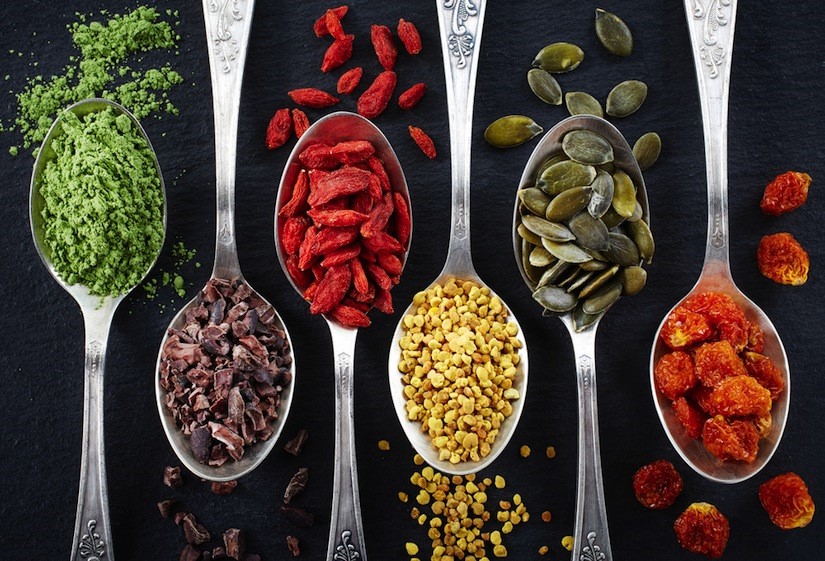
You heard it repeated over and over again: you need your 5-a-day. Supplements can help you make up for deficiencies in your diet, but fruits and veggies are still the best sources of phytonutrients.
But sometimes, it can be difficult to keep up with the World Health Organization’s recommended fruit and veggie intake.
That’s where nutrition supplements step in.
You can make up for what’s lacking in your diet with a variety of Phytocopeia plant-based supplements. To be fair, nutrients in pill form are a great addition to a healthy diet no matter when exactly you take them, but supplement timing does make a difference.
Good phytonutrient supplement timing can increase the total amount of nutrients your body absorbs. So, if you want to get the best out of your dietary supplementation, read on to find out what’s the best time to take nutrient pills.
Know Your Phytonutrients
Phyto means “plant” in Greek – and phytonutrients (also called phytochemicals) are compounds that give plants their colors, smells, and flavors. It’s hard to believe, but over 24,000 kinds of phytonutrients exist in plants out there. Along with vitamins and minerals, these nutrients have the power to help you fight off diseases, and improve your physical and mental fitness.
Before we discuss timing, you should know that there are many kinds of phytonutrients – and each works slightly differently. So, there’s no single answer to the question of when to take phytonutrient supplements.
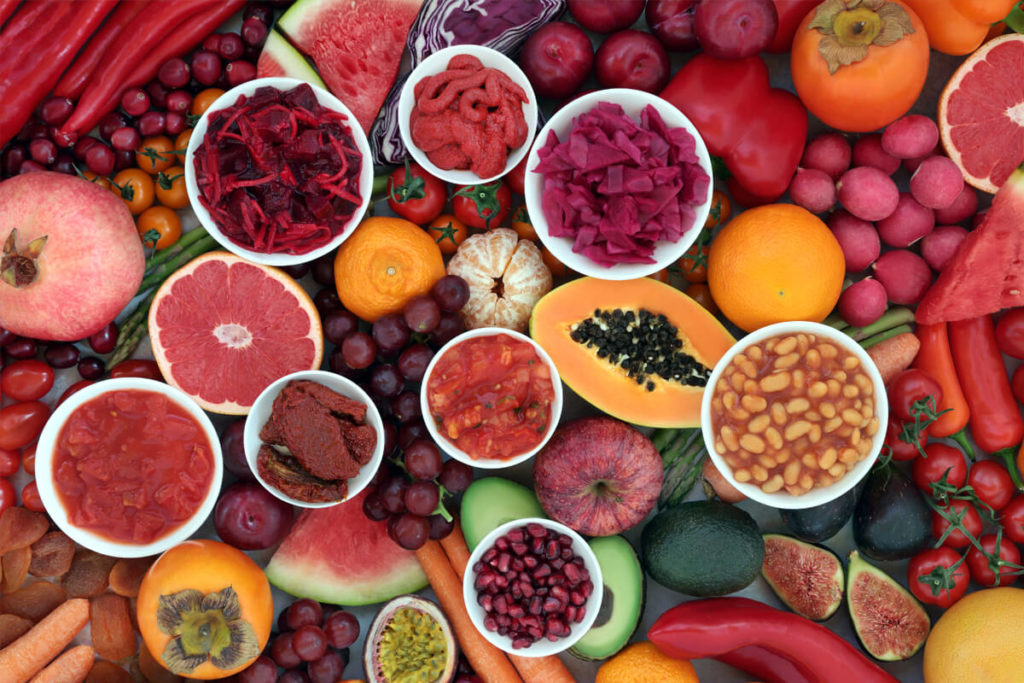
Types of Phytonutrients
Take a look at the supplement facts on the back of your pill bottle. It should tell you the list of specific nutrients that are included in the pill.
These are the main categories of phytonutrients:
- Carotenoids – This group was shown to provide antioxidant benefits, helping your body fend off rheumatoid arthritis and cardiovascular disease. In addition, carotenoids like alpha-carotene, beta-carotene, and beta-cryptoxanthin turn to vitamin A, helping your immune system and eye health by lowering the chances of cataracts and macular degeneration [1]. Other carotenoids include lycopene, lutein, zeaxanthin, and others.
- Polyphenols – This is one of the largest and most diverse phytonutrient groups – and one with powerful health benefits. In general, polyphenols can prevent or even reverse cell damage, helping you live longer and healthier. The group includes flavonols (eg. quercetin and fisetin), isoflavones (like phytoestrogens), catechins (epicatechins and EGCG), ellagic acid, curcuminoids (eg. BDMC), and resveratrol.
- Glucosinolates – found in veggies like brussels sprouts, horseradish, and broccoli, glucosinolates can help your body fight inflammations [2]. The pungent odors of these plants also suggest their strong antifungal, insecticidal, and antimicrobial properties. The most common glucosinolates include the word “gluco” in the names: glucoraphanin, glucobrassicin, and neoglucobrassicin.
- Phytosterols – Pyhtosterols are good plant nutrients that can help your body fight the bad kind of cholesterol – Low-density lipoproteins or LDL [3]. That means that phytosterol supplements can improve the health of your heart and arteries.
Now that you know the different types of phytonutrients, you can take a look at your pill bottle contents and understand them better.
Supplement Timing Matters: With or In-between Meals?
No matter which type of supplement you take, it can be categorized into two groups: fat-soluble and water-soluble. Solubility is the most important factor to consider when timing your supplements, whether that’s vitamins, minerals, or phytonutrients.
Fat-soluble vitamins, minerals, and phytonutrients are stored in the liver and in your body’s fatty tissue. Since your body stores them, fat-soluble nutrients can be “saved for later” – the body will use them when the need arises.
This is not true for water-soluble supplements. In fact, you need to take water-soluble supplements on a daily basis because your body gets rid of everything that doesn’t get metabolized.
- Fat-soluble supplements should be taken with food [4]. Take your fat-soluble supplements right after fatty foods like avocado, cheese, olive oil, eggs, fish, and nuts.
- Water-soluble supplements can be taken any time of day. You can even take them on an empty stomach – but be sure to drink some water beforehand.
If you’re not sure whether your supplements are fat- or water-soluble, check the active ingredient on the bottle label and Google the ingredient’s solubility.
Fat-Soluble Supplements by Phytocopeia
Most carotenoid and phytosterol supplements, along with vitamins A, D, E, and K are fat-soluble. This means you should take them with your meals, or simply eat a few nuts or a bit of dark chocolate just before taking your fat-soluble supplements.
In addition, keep in mind that it’s better to eat healthy fats like cold-pressed vegetable oils (think extra virgin olive oil), fish oil, and avocado after taking fat-soluble supplements.
Phytocopeia developed a few nutritional supplements that are based on fat-soluble phytochemicals:
- MaculoPRO is based on carotenoids lutein and zeaxanthin. It’s a great supplement for people who want to protect their vision and macular health.
- Fisetin is a fat-soluble flavonoid. It’s a great idea to take this supplement with olive or fish oil. It’s a supplement that supports longevity and improves cognitive function.
- CurcumaPro is derived from turmeric root, and it’s a powerful antioxidant and anti-inflammatory nutrient that can support joint and muscle health.
-
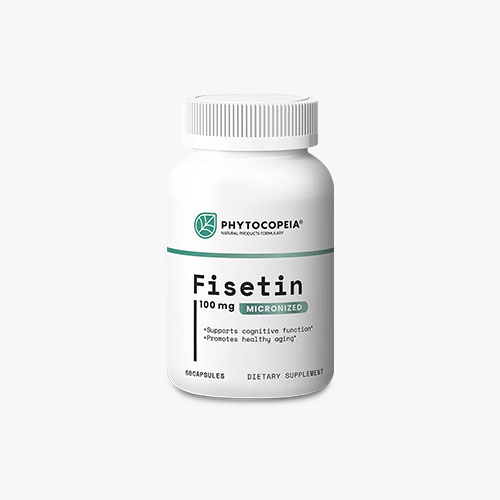
Fisetin
Promotes longevity, healthy aging, and provides cognitive support for long-term health. Smaller particle size which helps to improve its bioavailability by increasing surface area absorption thus optimizing its full health effects.
$39.99
Water-Soluble Supplements by Phytocopeia
Water-soluble supplements enter your bloodstream quickly – and everything that your body doesn’t use, it eliminates when you go to the bathroom. For that reason, you’re supposed to take this kind of supplementation every single day.
The important water-soluble nutrients are vitamins C and B, and many phytonutrients from the glucosinolate, catechin, and flavonoid groups. However – not all are water-soluble [5] – resveratrol is a notable exception. Make sure to always check the solubility of the particular active ingredient!).
Water-soluble supplementation is best taken with water, a few hours before or after your meals.
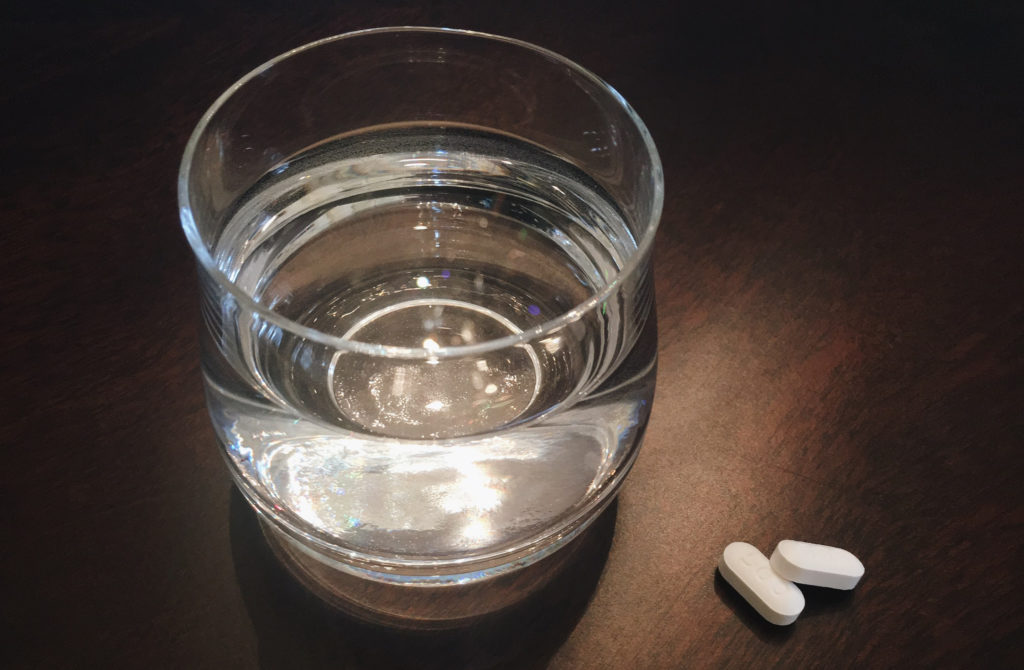
Phytocopeia creates many water-soluble dietary supplements that include:
- Epicatechin – a great supplement that protects cardiovascular health. If you do sports, taking epicatechin before your workouts is a good performance booster.
- ImmunoBran with its active ingredient beta-glucan (a water-soluble dietary fiber) is a great way to boost your immunity.
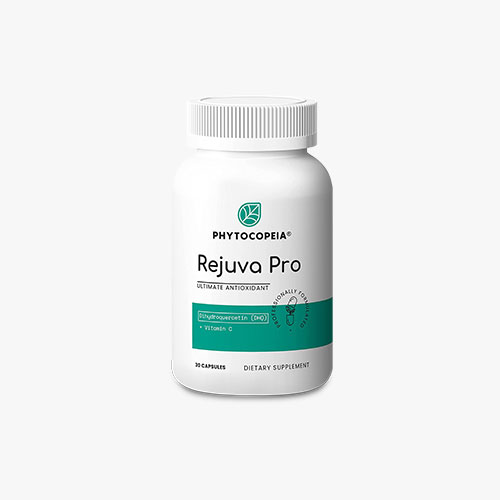
- RejuvaPro contains your daily dose of the flavonoid dihydroquercetin (DHQ, also called taxifolin) and vitamin C – both of which will boost your immunity and act as antioxidants. You’d need to eat a lot of walnuts and arrowroot to get the same health benefits.
- C3G Pro with anthocyanin as the main active ingredient will help your blood flow and improve vascular health.
Does Time of Day Matter for Supplements?
Now that you know the difference between water- and fat-soluble supplements, you can always make a quick Google search to find out which group your pills belong to. Solubility can help you determine if you should take your supplements with meals or on an empty stomach.
The exact time of day doesn’t really matter for most supplements. But sometimes, the time of day does make a small difference in how well your body uses the nutrients. If you want to make the best of your supplements, here are a few pieces of advice:
- Take vitamins C and B12 a few hours apart. We recommend taking B12 early in the morning because it’s a stimulant – it may keep you awake if you take it late in the evening.
- You may get an upset stomach if you take water-soluble supplements on a completely empty stomach. Have a light breakfast, wait an hour or two, and then take your supplements.
- Iron is a notable exception – your body will absorb iron easier on an empty stomach. Furthermore, it’s even better if you pair it with a glass of lemonade or other citrus juice! However, don’t take calcium or zinc at the same time with iron – those don’t mix well.
- Don’t take your supplements right before bedtime. Instead, give your body an hour or two to digest them properly and let your stomach rest overnight.
- If you take protein powders, drink the slow-acting casein in the evening. Keep the whey for the daytime.
Supplement Timing is Important… But Not Crucial.
If you have established supplement-taking habits, it’s not necessary to change them. The truth is that dietary supplements are always good – the only real difference is exactly how much of the nutrient your body will absorb. For as long as you take supplements, you’ll get some health benefits, no matter the exact timing.
However, if you’re just starting with dietary supplementation, start off on the right foot: take fat-soluble supplements with meals, and water-soluble ones in-between meals or on an empty stomach. In the long run, these good habits will result in better and stronger health benefits.
References:
- Bungau S, Abdel-Daim MM, Tit DM, et al. Health Benefits of Polyphenols and Carotenoids in Age-Related Eye Diseases. Oxid Med Cell Longev. 2019;2019:9783429. Published 2019 Feb 12. doi:10.1155/2019/9783429
- Baenas, Nieves & Cartea, Maria & Moreno, Diego A. & Tortosa, María & Francisco, Marta. (2020). Processing and cooking effects on glucosinolates and their derivatives. 10.1016/B978-0-12-816493-8.00006-8.
- Cabral CE, Klein MRST. Phytosterols in the Treatment of Hypercholesterolemia and Prevention of Cardiovascular Diseases. Arq Bras Cardiol. 2017;109(5):475-482. doi:10.5935/abc.20170158
- National Research Council (US) Committee on Diet and Health. Diet and Health: Implications for Reducing Chronic Disease Risk. Washington (DC): National Academies Press (US); 1989. 11, Fat-Soluble Vitamins. Available from: https://www.ncbi.nlm.nih.gov/books/NBK218749/
- Chen Y, Deuster P. Comparison of quercetin and dihydroquercetin: antioxidant-independent actions on erythrocyte and platelet membrane. Chem Biol Interact. 2009 Nov 10;182(1):7-12. doi: 10.1016/j.cbi.2009.06.007. Epub 2009 Jun 23. PMID: 19555678.