
What Natural Supplements Help with Depression?

What is Depression?
Depression is linked to low levels of various neurotransmitters like dopamine, serotonin, noradrenaline and gamma-amino acid (GABA). It is a common medical problem that has a negative impact on our mental health.
Depression negatively affects our mood, interest, willpower, and our ability to make critical decisions.
The main causes of depression are overthinking, medication, alcohol, drugs and family issues. The effects of depression are depressed mood, loss of appetite or overeating, loss of interest in activities that are previously enjoyed, trouble sleeping or sleeping too much etc [1].
How to actively overcome depression?
Every person has his own strengths and weaknesses, we usually compare our biggest weakness with another person’s biggest strength which is totally unfair.
- We don’t have to compare ourselves with others, just do what we can and be content.
- To be in the mood to do something is not necessary, just set some goals and do it.
- Only focus on the positive side of your goal and avoid thinking about what you didn’t achieve.
- Doing moderate exercise and eating healthy food can also help to overcome depression.
- Keeping a balanced regular sleep (not too much or not too low), and avoiding late-night staying will also reduce depression [2].
What Natural Supplements Help with Depression?
Following are the natural supplements that help to overcome depression.
- Omega-3 fatty acids
- N-acetylcysteine (NAC)
- Vitamins
- Minerals
- S-Adenosylmethionine (SAMe)
- St. John’s Wort
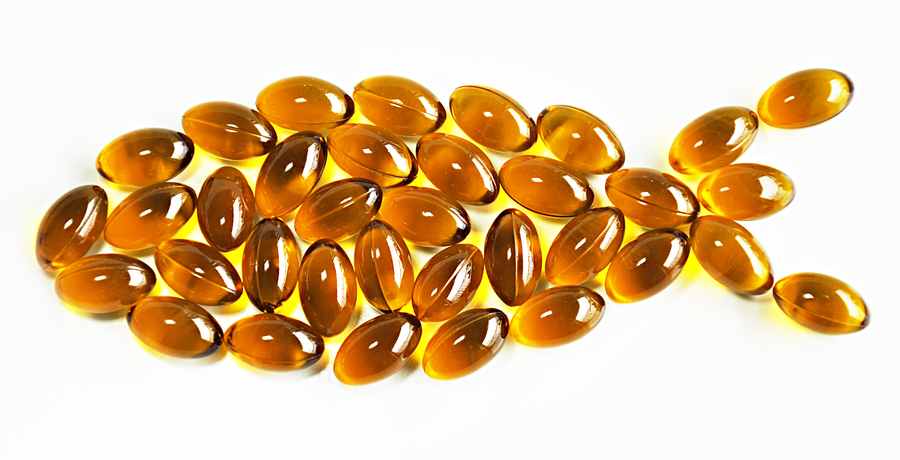
Omega-3 fatty acids
Omega-3 fatty acids are a type of fats that are not produced by our bodies. These fatty acids are essential for our body to work properly, so we take these fatty acids through the food we eat.
- Alpha-linolenic acid (ALA), eicosapentaenoic acid (EPA), and docosahexaenoic acid (DHA) are the three major Omega-3 fatty acids.
- Omega-3 deficiency promotes depression because the human brain needs omega-3 fats for proper function. A deficiency can lead to imbalances in the brain that can trigger depressive symptoms.
The major sources of Omega-3 fatty acids are fish, nuts and seeds like flaxseed, plant oils like flaxseed oil or canola oil, and fortified foods like juices, milk, yoghurt etc.
N-acetylcysteine (NAC)
N-acetylcysteine (NAC) comes from the amino acid L-cysteine, and amino acids are the building blocks of protein.
- Many studies showed that NAC lowers depression levels by lowering inflammation and glutamate levels [3].
The major sources of NAC are the foods having high protein levels like meat, fish, chicken, turkey, nuts and eggs.
Vitamins B & D
Vitamin B and vitamin D have good antidepressant activities [4].
Vitamin B
B vitamins have a major role in mood disorders and different other neurological functions.
The B vitamins, especially B₁₂ and B₆ have a key role in the production of different neurotransmitters like serotonin and dopamine. These neurotransmitters control the emotions and stress levels in the human body.
The major food sources of vitamin B are meat (especially liver), seafood, poultry, eggs, dairy products, seeds and fortified foods.
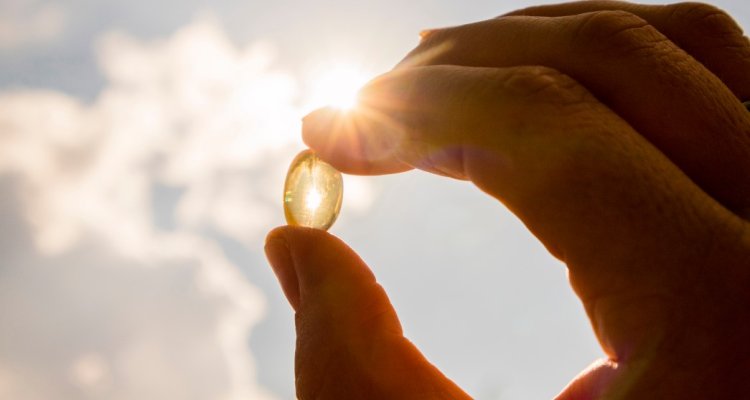
Vitamin D
Vitamin D has several essential roles in our body like it plays an important role in the absorption of calcium magnesium and phosphate.
- Vitamin D synthesis takes place under the skin and the reaction of vitamin D synthesis is dependent on sunlight (UV radiations).
- Vitamin D plays an important role to fight depression through different mechanisms like regulating mood, reducing inflammation etc.
The major food sources of vitamin D are fish, beef liver, egg, fortified cereals, dairy products etc.
Minerals
The deficiency of micronutrients like calcium magnesium and zinc increases the risk of depression. When taken properly these nutrients reduce depressive symptoms.
Magnesium ions block the ion channels of the NMDA receptor and prevent its excessive activation. Calcium containing foods are dairy, leafy vegetables, legumes, and canned fish. Zinc containing foods are leafy vegetables, legumes, meat, and dark chocolate. Magnesium containing foods are dark chocolate, avocados, nuts, leafy vegetables, and legumes.
S-Adenosylmethionine (SAMe)
S-Adenosylmethionine (SAMe) is a natural compound found in our body.
The main functions of SAMe are the regulation of hormones and the maintenance of cell membranes. SAMe is a natural compound having antidepressant activity equal to the standard tricyclic drugs for depression.
In comparison with standard prescription medicine, SAMe has much fewer side effects [5]. There are no SAMe containing foods, our body produces SAMe by itself or we can take SAMe supplements.
St. John’s Wort
St. John’s Wort also known as Hypericum perforatum is a plant commonly found in America, Africa and different other regions of the world.
Many researchers confirmed that St. John’s Wort has good results in treating low and medium level depressions.
According to some studies St. John’s Wort has almost equal results as selective serotonin reuptake inhibitors (SSRIs), a standard drug for depression [6].
Natural Supplements by Phytocopeia for Depression
Vitamins and other micronutrients like zinc have a major role in reducing depression.
Taking Epicatechin (micronized epicatechin) as well as CurcumaPRO (made with micronized curcumin) can also deliver positive results towards some symptoms of depression such as anxiety and sleep disturbance.

Wrap up
Nowadays depression is a serious threat in our society, because of the lifestyle we adopted and the food we are eating. It disturbs our routine life, some people even commit suicide.
It is therefore necessary to avoid depression to live a happy and healthy life.
Our lifestyle and the food we eat have a high impact on depression. We have to live a healthy life, avoid over and negative thinking, sleep well, do exercise and eat healthy food to keep depression or any of its symptoms away.
References:
- Pizzagalli, Diego A., and Angela C. Roberts. “Prefrontal cortex and depression.” Neuropsychopharmacology 47, no. 1 (2022): 225-246.
- Shahrajabian, Mohamad H., Wenli Sun, Ali Soleymani, and Qi Cheng. “Traditional herbal medicines to overcome stress, anxiety and improve mental health in outbreaks of human coronaviruses.” Phytotherapy Research 35, no. 3 (2021): 1237-1247.
- Nery, Fabiano G., Wenbin Li, Melissa P. DelBello, and Jeffrey A. Welge. “N‐acetylcysteine as an adjunctive treatment for bipolar depression: A systematic review and meta‐analysis of randomized controlled trials.” Bipolar disorders 23, no. 7 (2021): 707-714.
- Almeida, Osvaldo P., Andrew H. Ford, Varsha Hirani, Vash Singh, Kieran McCaul, and Leon Flicker. “B vitamins to enhance treatment response to antidepressants in middle-aged and older adults: results from the B-VITAGE randomised, double-blind, placebo-controlled trial.” The British Journal of Psychiatry 205, no. 6 (2014): 450-457.
- Bressa, G. M. “S‐adenosyl‐l‐methionine (SAMe) as antidepressant: meta‐analysis of clinical studies.” Acta Neurologica Scandinavica 89, no. S154 (1994): 7-14.
- Zhai, Xuejia, Yan Chen, Xuemei Han, Ying Zhu, Xixuan Li, Yu Zhang, and Yongning Lu. “The protective effect of hypericin on postpartum depression rat model by inhibiting the NLRP3 inflammasome activation and regulating glucocorticoid metabolism.” International Immunopharmacology 105 (2022): 108560.