
9 Natural Supplements for Hair Growth
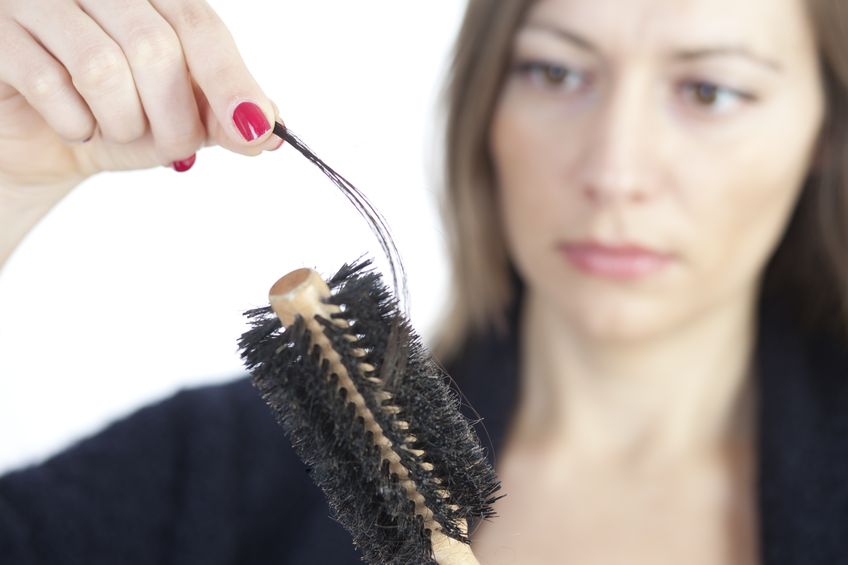
Hair affects how people are viewed in society, and it provides information about gender, age, and health.
As a result, it is not surprising that affected individuals are significantly affected by the common occurrence of hair loss[1].
Healthy hair is a symptom of good health and good hair care habits. Most healthy people consume enough nutrients in their diet; nevertheless, many lack access to excellent nutrition, and others suffer from medical conditions that make them vulnerable to nutritional deficiencies.
Changes in scalp and body hair are common indicators of dietary shortcomings [2].
Common Causes of Hair loss
Following are the reasons for hair loss:
- Malnutrition,
- Congenital heart disease,
- Neuromuscular disease,
- Chronic illnesses,
- Malignancy,
- Alcoholism,
- Aging [2].
Our hair structure
Hair follicle structure is dynamic. To enable rapid growth, the hair follicle requires many molecular building ingredients.
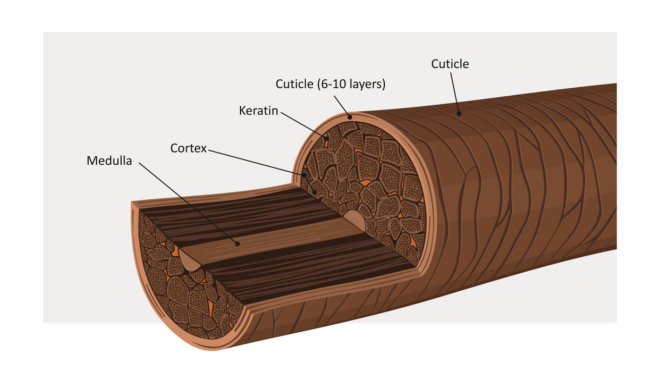
Nutritional deficiency can produce noticeable alterations to the hair shaft and interrupt the natural hair growth cycle [3].
Hair grows in cycles, and the hair cycle is a series of phases that a hair follicle goes through. The active growth phase (anagen phase) lasts 2–6 years. A hair follicle grows roughly one cm every month in this state [1].
Nutrient deficiencies that cause hair loss
The deficiency of essential nutrients such as Biotin (vitamin B7), Iron, Proteins, Selenium, and Vitamin A, B12, C, D, E, and Zinc plays a vital role in hair loss [3]. A balanced diet could overcome these deficiencies.
Supplementation for hair loss
Patients with hair loss frequently seek vitamin supplements, and various formulations are available; nevertheless, the significance of supplementing a patient with hair problems who do not have a recognized deficit is debatable.
Supplementing a vitamin in the absence of a documented deficiency does not produce consistent outcomes and may even result in toxicities and undesired medical effects [3].
Therefore, supplementation should be done with the consult of a physician.
1. Biotin
Biotin, often known as vitamin B7, is a cofactor for several carboxylation enzymes that catalyze glucose, fatty acid, and amino acid metabolic processes [4].
Biotin deficiency is uncommon because optimal biotin consumption is attained through a well-balanced diet.
Nuts, legumes, whole grains, unpolished rice, and egg yolks contain biotin. According to the Institute of Medicine, 30 ug daily is enough for adults [3].

2. Iron
Iron is well known for oxygen transportation in the body.
Iron is a necessary element best known for its involvement in oxygen delivery via hemoglobin inclusion. The mineral is also a cofactor for ribonucleotide reductase, the rate-limiting enzyme in DNA synthesis [5].
Iron appears to be crucial in rapidly dividing cells, such as those found in the hair follicle matrix. Studies have shown that multiple genes within the hair follicle are regulated by iron [3].
Although cutoff levels have not been adequately defined and vary widely, serum ferritin of less than 30 mg/L suggests iron deficiency.
For iron deficiency, a 30 mg/L measurement has been demonstrated and possesses 92 % sensitivity and 98 % specificity [3].

3. Vitamin C
Vitamin C, commonly known as ascorbic acid, is necessary for antioxidation, collagen formation, and iron absorption in the intestine. The Food and Nutrition Board’s recommended dietary amount for vitamin C is 75 mg for women and 90 mg for men [3].
Natural vitamin C containing supplements by Phytocopeia
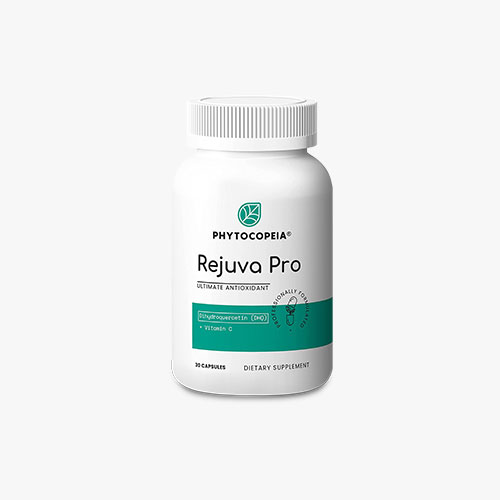
RejuvaPro is a product by Phytocopeia having quercetin (Flavonoid) and vitamin C. It is an effective product to fight against reactive oxidative species and free radicals responsible for early aging and cancer cell production.
4. Proteins
Proteins are big complexes of amino acids that play a variety of tasks in the body, including anabolic and catalytic processes, cellular transport, and structural support [6].
When treating protein-deficient individuals, it is critical to keep an eye on electrolytes to avoid refeeding syndrome, a condition characterized by potentially life-threatening changes in electrolytes caused by the introduction of food.
Protein RDA (Recommended Dietary Allowance) for a healthy adult with minimal physical activity is 0.8 g/kg/d [3].
5. Selenium
The deficiency of selenium is rare. However, the recommended dose for adults above 14 years is 55mg. Toxicity and hair loss can occur due to an overdose of selenium > 400 µg/day [3].
6. Vitamin B12
Vitamin B12, also known as cobalamin, is essential for DNA synthesis, neurologic function, and the creation of red blood cells [7].
Reduced DNA synthesis caused by vitamin B12 deficiency would damage rapidly dividing hair follicles. The average level for vitamin B12 is 240 to 900 pg/mL [8].
7. Vitamin D
Vitamin D is a fat-soluble vitamin that belongs to the steroid hormone and is vital for calcium homeostasis and musculoskeletal health [9].
Vitamin D can be obtained from fatty fish, fish liver oil, egg yolk, and certain mushrooms. Serum levels less than < 50 nmol/L are vitamin D deficient [3].
8. Vitamin E
Vitamin E is a fat-soluble vitamin in various forms known as tocotrienols or tocopherols, depending on its chemical structure.
Vitamin E is essential for antioxidation, particularly inside plasma membranes, and its properties may be linked to hair disorders.
Research of 21 participants with nonspecific hair loss indicated that those who took 50 mg of mixed tocotrienols twice a day for eight months had considerably more hair than those who did not [3].
9. Zinc
Zinc is a trace element that is a structural component of many metalloenzymes involved in protein synthesis and cell division and several transcription factors that regulate gene expression [10].
Zinc is also involved in the Hedgehog signaling pathway, linked to hair follicle development. A zinc level of less than 70 ug/dL is considered inadequate.
Zinc intake of 150 to 450 mg per day has been linked to long-term adverse effects such as low copper levels, iron dysfunction, and weakened immune function [11].

Wrap up
When dealing with hair problems, one should look for significant risk factors for nutritional deficiencies, such as advanced age, eating disorders, and malabsorptive diseases.
Other clinical indications and symptoms should trigger an additional in-depth investigation into a suspected deficit’s more specific risk factors.
This comprehensive medical history should guide focused laboratory tests, keeping in mind that certain nutrient levels can change depending on the time of day, the presence of inflammatory diseases, and the use of specific drugs [3].
Supplements should be taken after a proper examination.
References:
- Braun, N. and U. Heinrich, What Can Complex Dietary Supplements Do for Hair Loss and How Can It Be Validly Measured—A Review. Applied Sciences, 2020. 10(14): p. 4996.
- Goldberg, L.J. and Y. Lenzy, Nutrition and hair. Clinics in dermatology, 2010. 28(4): p. 412-419.
- O’Connor, K. and L.J. Goldberg, Nutrition and hair. Clinics in dermatology, 2021. 39(5): p. 809-818.
- Glew, R.H. and Y. Ninomiya, Clinical studies in medical biochemistry. 1997: Oxford University Press, USA.
- Kantor, J., et al., Decreased serum ferritin is associated with alopecia in women. Journal of Investigative Dermatology, 2003. 121(5): p. 985-988.
- Mullero, K., Malnutrition and health in developing countries. Canadian Medical Association Journal173, 2005: p. 279-286.
- Food and I.o.M. Nutrition Board, Folate. 1998, National Academies Press Washington, DC. p. 196-305.
- Almohanna, H.M., et al., The role of vitamins and minerals in hair loss: a review. Dermatology and therapy, 2019. 9(1): p. 51-70.
- Antico, A., et al., Can supplementation with vitamin D reduce the risk or modify the course of autoimmune diseases? A systematic review of the literature. Autoimmunity reviews, 2012. 12(2): p. 127-136.
- Ogawa, Y., T. Kawamura, and S. Shimada, Zinc and skin biology. Archives of biochemistry and biophysics, 2016. 611: p. 113-119.
- Maret, W. and H.H. Sandstead, Zinc requirements and the risks and benefits of zinc supplementation. Journal of trace elements in medicine and biology, 2006. 20(1): p. 3-18.