
Enteric Nervous System – Here’s What Your Gut’s Saying
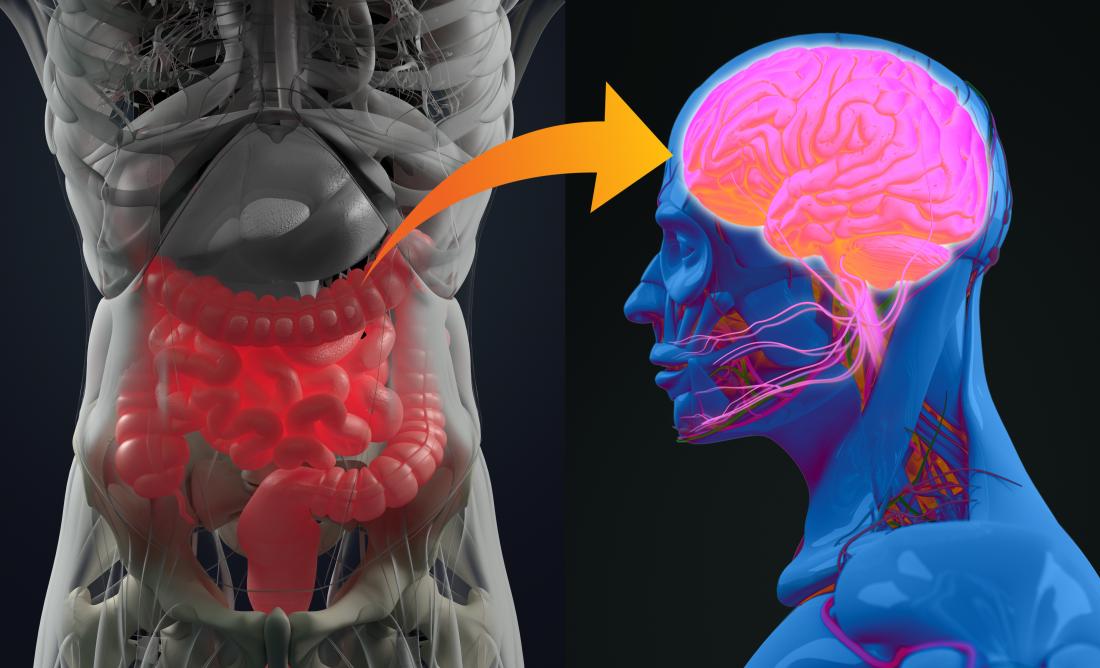
Have you ever had a “gut feeling,” a “lump in your throat,” or felt “butterflies” in your stomach?
Believe it or not, but your enteric nervous system can, sort of, think for itself. We perceive this as gut feeling, and it’s a useful thing that can help you understand your body better. So, listen close to what your body’s telling you – today we talk about the gut-brain connection.
The Enteric Nervous System and the Gut
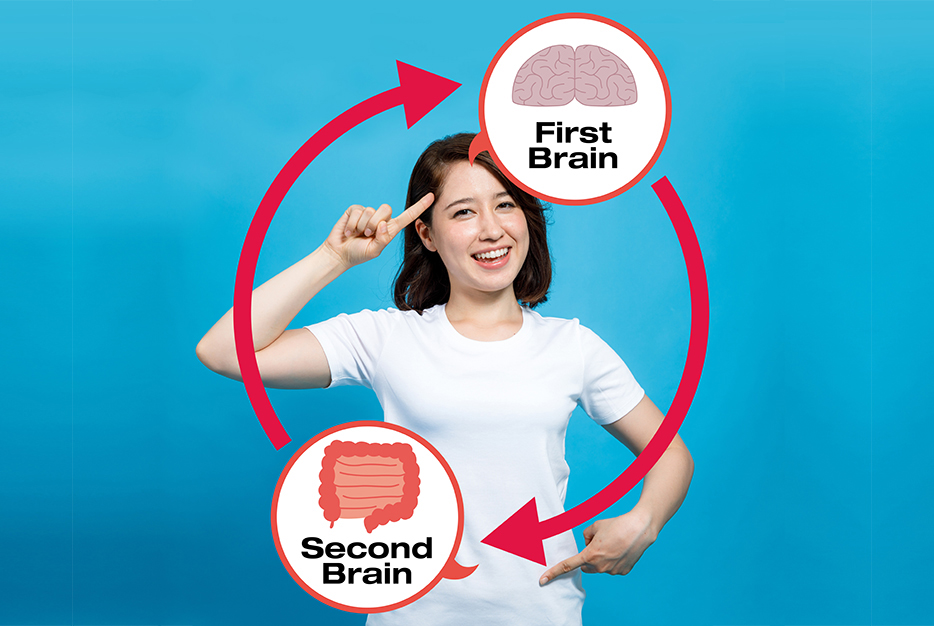
Gut feelings come from what we lovingly call our second brain. This second brain, the gut-brain, or brain in the belly is a part of the Enteric nervous system (ENS).
- The enteric nervous system is a quasi-autonomous part of the nervous system. It includes a variety of neural circuits that control local motor functions, local blood flow, mucosal transport, and secretions and modulates immune and endocrine functions. [1]
Because it’s a unique and complex system, the digestive tract is constantly exposed to various physicochemical stimuli from the external world. You got that right – we’re talking about food and beverages.
Consequently, it has an extensive repertoire of coordinated movements from its muscular apparatus to ensure the digestion, absorption, and excretion of the ingested foods. These movements come from the connection between the neural and digestive muscular apparatus. [1]
Apart from integrating the gastrointestinal motility, it is also responsible for secretion and blood flow that affect homeostatic patterns of gut behavior that are susceptible to becoming clinically disordered. [2]
Mood and The Enteric Nervous System
The gut-brain houses approximately one hundred million neurons, exceeding the number of nerve cells in the spinal cord. It is also interesting that multiple studies have shown a greater flow of information and signals going from the ENS in the gut to the brain than the other way around.
- This implies that whatever is going on in our digestive system affects our mood and perception. Your gut feeling doesn’t lie. In fact, it’s a psychological fact that exists thanks to your ENS.
According to an article published by John Hopkins Medicine, the ENS can be a significant trigger of emotional shifts. That’s especially true in people that experience irritable bowel syndrome and functional bowel problems like constipation, diarrhea, and bloating.
- This suggests that not only can these issues present themselves as a consequence of stress, anxiety, and depression but also the other way around. [3]
The connection between the nervous system and the gut has rising importance in today’s world because the environmental and social factors have led 30 or 40% of the world’s population to have some gastrointestinal disorder that can result in a physiological imbalance. [3]
How Does the Gut Talk to the Brain?
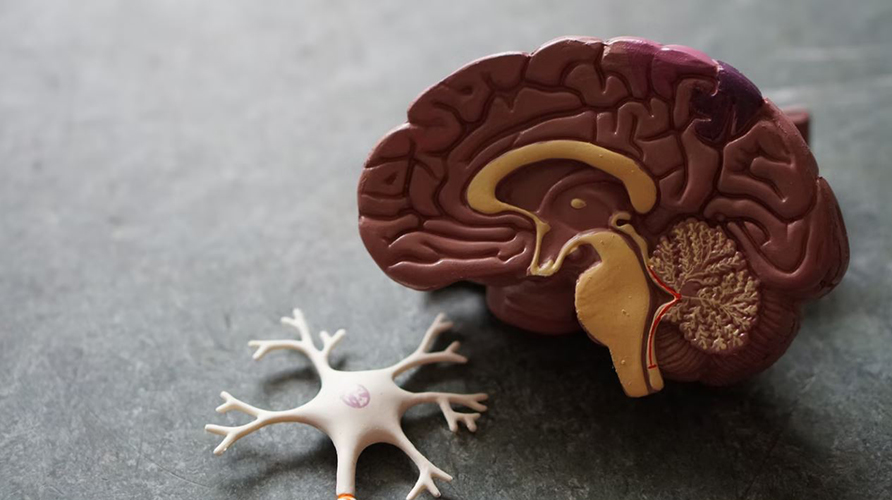
The digestive system is lined with cells that produce and receive neurochemicals and neuropeptides.
Some of the received compounds are serotonin, dopamine, norepinephrine, and glutamate. This interaction also exists in gut hormones like insulin, and cholecystokinin, in the brain.
The exchange of hormones and neurotransmitters is the mechanism behind gut feelings and other psychological effects of the gut-brain.
In terms of the function mechanism of the ENS in the digestive tract, this system integrates a set of networks known as central pattern generators (CPG).
These CPGs activate basic movement circuits and information recurrently to generate motility patterns linked to digestive functions like intestinal secretions.
Modifications in the CPGs can result in functional gastrointestinal disorders but can also be a sign that there is something in the head-brain that needs to be checked out.
An example of this is the presence of prion-like proteins as a possible sign of Alzheimer’s.
- By making the gut smarter, we mean that we can use its power to our advantage instead of just living with the physiological consequences of an unhealthy gut.
Listen To Your Body
Knowing and learning how our gut talks to our brain have opened the door to new treatment possibilities.
The ENS connection with the central nervous system (CNS) explains the effectiveness of using antidepressants and mind-body therapies. These include cognitive behavioral therapy, to treat IBS and other bowel disorders treatments.
These calm the gastrointestinal symptoms by acting on the nerve cells found in the gut. [3]
It also means that by ensuring a healthy stomach, we will be able to have a healthier brain too. Or, as Socrates said, A Healthy Mind in a Healthy Body.
What can we do to have “two” healthy brains?
We can start improving the health of both our brains by making sure we have a properly functioning digestive system.
This means we need to control gut inflammation and ensure a proper gut microbiome. These can be done by dietary adjustments like avoiding the consumption of highly processed foods.
Sadly, this has proven to be challenging due to the lack of affordable and accessible organic or minimally processed food. But thankfully, supplements are a great alternative to fight the harmful effects of our diet.
One of the most effective supplements for inflammation is turmeric or curcumin. If you opt for curcumin, you can find it in grocery stores in the form of turmeric powder, but due to low absorption rates, capsules make it way more practical.
-
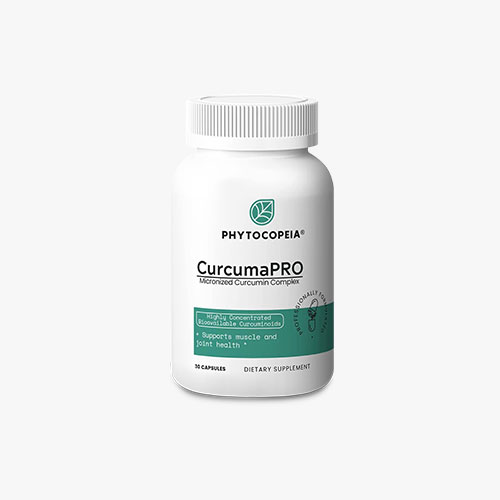
CurcumaPRO
Superior micronization technology allows for maximum absorption and protection against inflammation. Also has a derivative of curcumin called Bisdemethoxycurcumin that possesses several biological activities.
$29.99

- CurcumaPRO are turmeric-based capsules. Developed with high-end technology that ensures maximum absorption and protection against inflammation.
- Ultra-gingerols, also found in our shop, are a great ginger-based alternative to reduce inflammation and aid digestion while also having antioxidant properties.
In terms of the gut microbiome, the consumption of probiotics and prebiotics is essential.
You can get probiotics in fermented foods like kefir, kimchi, yogurt, and kombucha. On the other hand, prebiotics can come from fiber-rich foods like veggies and fruits. In addition, you can easily find probiotic pills, powders, and supplements in any grocery store or pharmacy.
Listen To Your Body
Now that you know more about the enteric nervous system and the gut-brain connection, listen close. You can improve the quality of your life with a better diet and proper supplementation.
References
- Physiology of the Gastrointestinal Tract (Sixth Edition), Academic Press, 2018
- Anatomy and physiology of the enteric nervous system, Gut, 2000
- The Brain-Gut Connection, Johns Hopkins Medicine, 2021