
The 4 Important Phytochemicals in Onion
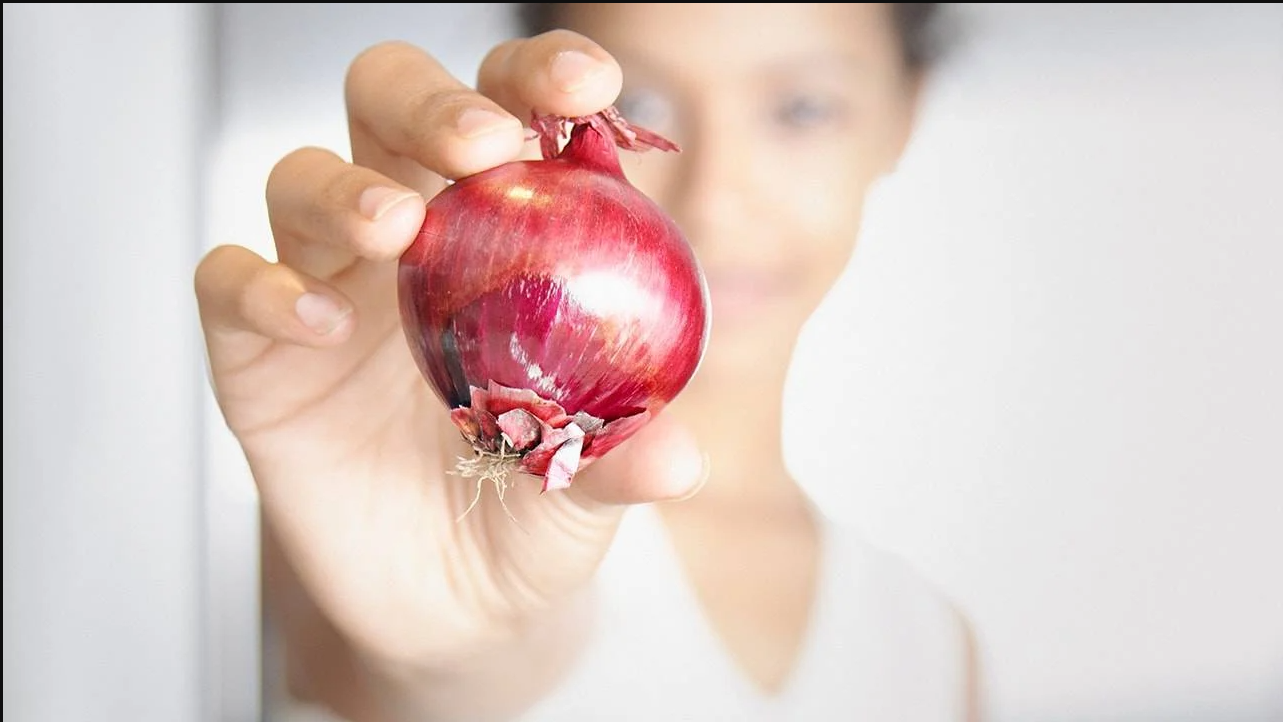
Phytochemicals are the chemicals from plants (“Phyto” means “plant”) having different health benefits.
We can isolate these chemicals by using other extraction methods. These chemicals protect the plant from fungal, bacterial, viral, parasitic, and animal attacks. Some phytochemicals have been used as poisons and some as traditional medicines.
Phytochemicals are classified into two major categories carotenoids and polyphenols [1].
Onions
Onions (Allium cepa) belong to the Allium family of plants, the same family as garlic, chives, and leeks. Onions consist of 89% water, 9% carbohydrates, 1% protein, and a negligible amount of fats.
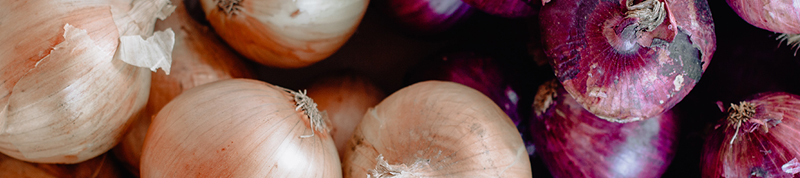
There are three major types of onions Red or purple, white, and yellow. The taste of onions depends on the seasons and regions they grow; it varies from sweet and juicy to sharp and intense [2].
Why do onions make us cry?
Onions contain sulfur compounds responsible for the pungent smell in many plants.
Onions contain the sulfur-containing compound propyl sulfoxide, which is very volatile. When we peel onions, it spreads into the air, and when it comes in contact with moisture near our eyes or fluid present in our eyes, it changes into sulphuric acid.
Sulphuric acid then irritates our eyes, so our eyes produce tears to wash them away.
What are the health benefits of onions?
Onions are a rich source of antioxidants. The important one is quercetin.
Quercetin is reported as effective in killing cancer cells in our bodies. Quercetin also has anti-inflammation properties.
- It reduces the risk of cardiovascular diseases by reducing bad cholesterol levels, lowering blood pressure, and preventing arterial plaque formation.
Onions are rich in non-digestible fiber, which improves gut health. Traditionally onions are in use for the treatment of coughs and colds.
Phytochemicals in onions
There are several phytochemicals in onions. The major phytochemicals in onions are organosulphur compounds, saponins, phenolic compounds, and polysaccharides.
The major bioactive compounds in onions are:
- Organosulphur compounds
- Phenolic compounds
Organo-sulfur compounds
Organo-sulfur compounds, as the name implies, are organic compounds that have sulfur attached. They also happen to be responsible for the unique tastes onions have.
These compounds have antioxidant anti-inflammation and several other health benefits, and cysteine sulfoxides are the major sulfur-containing compounds present in onions.
1. Onionin A
Onionin A is a recently discovered sulfur-containing compound isolated from the acetone extract of the onion bulb.
Studies show Onionin A has antitumor activities [3], especially against ovarian cancers [4].
2. Cysteine sulfoxides
Cysteine sulfoxides are sulfur-containing amino acids found in onions. These are primarily odorless and non-proteinous and are responsible for the flavor of the onions.
- They have potent antioxidant activities, act as anti-aging phytochemicals, and possess anti-inflammatory properties.
Due to their anti-inflammation properties, these phytochemicals are promising to fight against heart diseases [5].
Phenolic compounds
Phenolic compounds have at least one hydroxyl group directly attached to the aromatic ring. The role of phenolic compounds in plants is to protect the plant from predators.
- Some phenolic compounds act as attractants for insects, which helps in the pollination process.
The primary active phytochemicals in onions are the phenolic compounds. Among the several phenolic compounds, quercetin, quercetin glucosides, and rutin are the more active.
3. Quercetin
Quercetin is a polyphenol and belongs to flavonoids. Flavonoids are the coloring compounds in different plants and give color to fruits, flowers, and vegetables.
- Quercetin has good antioxidant properties. It kills reactive oxidative species very effectively. Reactive oxidative species or free radicals are responsible for cancer cell production and aging processes.
Quercetin controls the blood sugar level and blood pressure and fights against different heart diseases [6].
4. Rutin
Rutin, also known as rutoside, is a citrus flavonoid found in different fruits and vegetables. Rutin is an alternative drug to treat osteoarthritis and different inflammations.
- It plays an essential role in blood circulation and boosts the immune system to fight against heart diseases. Studies confirmed that rutin enhances the action of vitamin C against diseases.
The everyday use of rutin is to prevent skin from aging through its good antioxidant properties [7].
Botanical Wonder Pill
Promotes healthy aging and reduces acne breakouts.
Other benefits include boost red blood cells.
help with weight loss, heal damaged skin, neutralize toxins, and cut inflammation.
Wrap up
Onion, a commonly used vegetable, consists of several phytochemicals beneficial to health. The most common phytochemicals in onion are onionin A, cysteine sulfoxides, quercetin, and rutin.
These phytochemicals have promising antioxidant, anti-cancer, antitumor, and anti-inflammation properties. So eating onion in cooked or raw form both are beneficial.
But the better one is to eat onion in raw form as high heat destroys many natural compounds.
References
- Craig, Winston J. “Phytochemicals: guardians of our health.” Journal of the American Dietetic Association 97, no. 10 (1997): S199-S204.
- Griffiths, Gareth, Laurence Trueman, Timothy Crowther, Brian Thomas, and Brian Smith. “Onions—a global benefit to health.” Phytotherapy research 16, no. 7 (2002): 603-615.
- El-Aasr, Mona, Yukio Fujiwara, Motohiro Takeya, Tsuyoshi Ikeda, Sachiko Tsukamoto, Masateru Ono, Daisuke Nakano et al. “Onionin A from Allium cepa inhibits macrophage activation.” Journal of natural products 73, no. 7 (2010): 1306-1308.
- Tsuboki, Junko, Yukio Fujiwara, Hasita Horlad, Daisuke Shiraishi, Toshihiro Nohara, Shingo Tayama, Takeshi Motohara et al. “Onionin A inhibits ovarian cancer progression by suppressing cancer cell proliferation and the protumour function of macrophages.” Scientific reports 6, no. 1 (2016): 1-11.
- Galavi, Amin, Hossein Hosseinzadeh, and Bibi Marjan Razavi. “The effects of Allium cepa L.(onion) and its active constituents on metabolic syndrome: A review.” Iranian Journal of Basic Medical Sciences 24, no. 1 (2021): 3.
- Tang, Si-Min, Xue-Ting Deng, Jian Zhou, Quan-Peng Li, Xian-Xiu Ge, and Lin Miao. “Pharmacological basis and new insights of quercetin action in respect to its anti-cancer effects.” Biomedicine & Pharmacotherapy 121 (2020): 109604.
- Patel, Kanika, and Dinesh Kumar Patel. “The beneficial role of rutin, a naturally occurring flavonoid in health promotion and disease prevention: a systematic review and update.” Bioactive food as dietary interventions for arthritis and related inflammatory diseases (2019): 457-479.