
The Potent Benefits of Bisdemethoxycurcumin
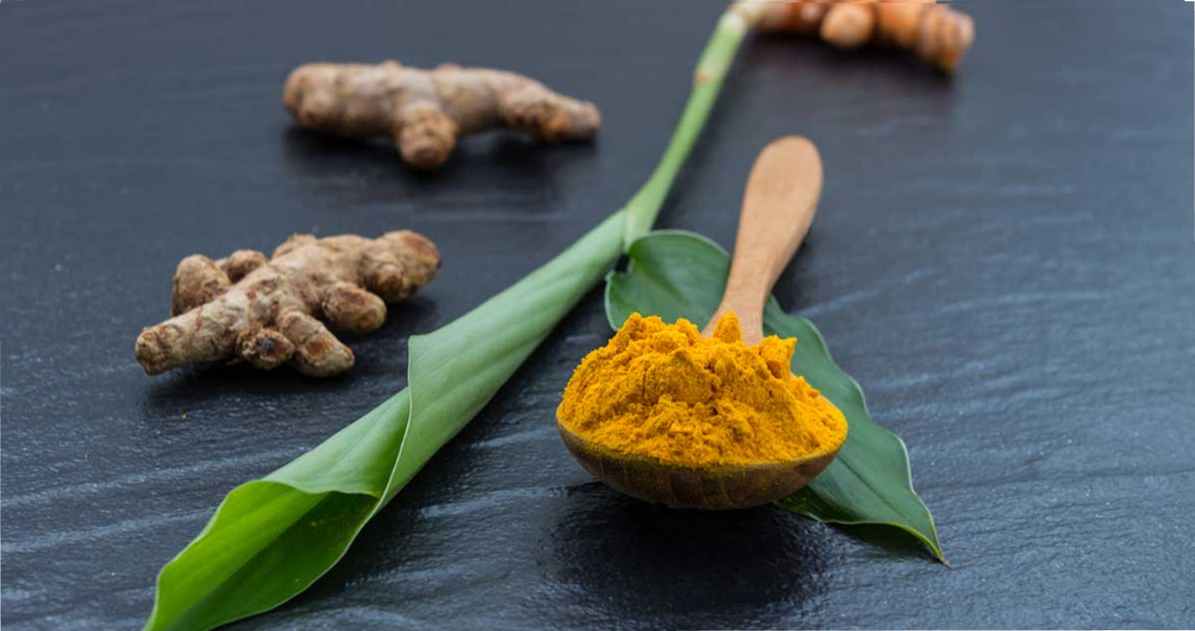
Curcumin is known as the most bioactive compound in turmeric, with many experts agreeing it’s responsible for the inflammatory benefits associated with turmeric.
We previously featured curcumin as one of the key ingredients of CurcumaPro, our best formula to fight excess inflammation. However, we also added another form of curcumin called Bisdemethoxycurcumin.
What is Bisdemethoxycurcumin? What are the benefits of taking Bisdemethoxycurcumin? Read on to find out.
What is Bisdemethoxycurcumin?
Bisdemethoxycurcumin (BDMC) is one of the natural demethoxy derivative of curcumin, with others being demethoxycurcumin (DMC), tetrahydrocurcumin (THC), and turmerones.
As a derivative of curcumin, BDMC also possesses several biological activities, such as anti-inflammation and anti-cancer activities.
What Science Says About Bisdemethoxycurcumin
A study published in May 2007 sought to study BDMC’s ability to suppress inflammation on its own merits and not with the help of other curcumin derivatives.
Researchers found the following:
- Both TNF and NF-kB are major mediators of inflammation; TNF mediates its inflammatory effects through the activation of NF-kB. BDMC was able to successfully inhibit TNF-induced NF-kB activation.
- BDMC also suppressed other markers and process of inflammation, though they also cited how BDMC is at its best when combined with the rest of the curcumin derivatives.
- BDMC also has potential in suppressing tumor cell proliferation. Tumor cell proliferation is defined as how quick a cancer cell can divide and spread, so reducing its activity can lead to improved cancer recovery.
- Cellular exposure to BDMC increased glutathione synthesis. Glutathione is the most abundant antioxidant in the body and is the first line of defense against harmful microbes and excessive oxidation. When the body fights infections or other microbes, it depletes its glutathione stores, so taking BDMC can help replenish them sooner.
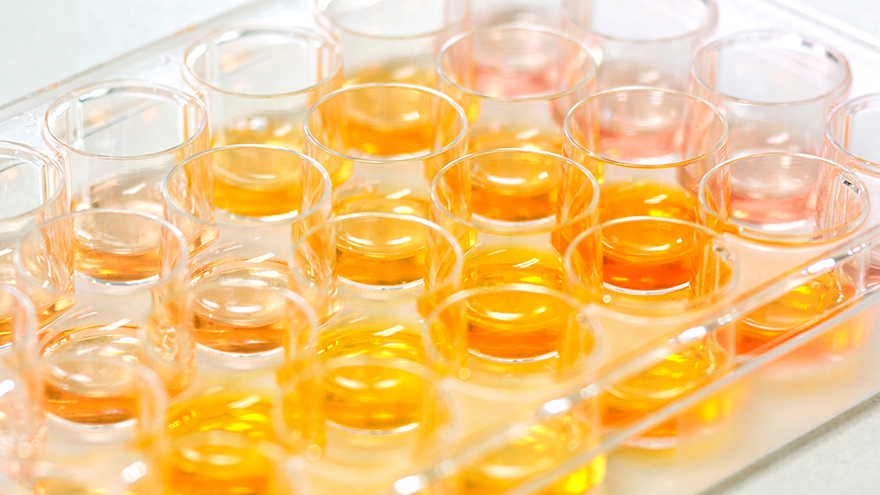
A 2015 study published in Biomedicine & Pharmacotherapy, a peer-reviewed journal, wanted to test BDMC’s potency against breast cancer cells. Here are the results:
- BDMC has properties that potentially inhibit cancer cell growth and metastasis.
- BDMC can reduce cancer cell angiogenesis, or when cancer cells generate their own blood vessels to sustain growth and spread further.
- The researchers noted that when it comes to cancer-cell inhibition, BDMC is much better than regular curcumin. They concluded:
“Our overall results showed that BDMC-A more effectively inhibited invasion, angiogenesis and metastasis markers compared to curcumin.”

Finally, a study in 2018 confirmed BDMC’s anti-tumor properties.
Researchers state how curcumin by itself has potent chemopreventive and anti-tumor effects, but BDMC specifically exerts most of it. The mechanism involves inducing apoptotic cell death in cancer cells, basically making cancer cells delete themselves before they spread.
“Recent studies have revealed that BDMC has anti-tumor effects exerted through a multimechanistic mode of action involving inhibition of cell proliferation, invasion and migration, metastasis and tumour growth, and induction of apoptotic death in cancer cells.”
Summary
Researchers in the last 20 years have concluded that BDMC is potent when it comes to lowering inflammation, fighting oxidation, boosting immunity, and anti-cancer properties.
Most curcumin supplements only supply 3% BDMC as it’s considered a premium substance in the industry. Much of the price is derived from how unstable it is under normal processing conditions, so few curcumin supplement manufacturers bother to shoulder that expense.
We purposely chose to add BDMC to not just boost the overall potency of our CurcumaPro (and therefore, separate us from the usual supplements in the market), but to make sure our customers get their money’s worth.
References:
- Mohankumar K, Sridharan S, Pajaniradje S, Singh VK, Ronsard L, Banerjea AC, Somasundaram DB, Coumar MS, Periyasamy L, Rajagopalan R. BDMC-A, an analog of curcumin, inhibits markers of invasion, angiogenesis, and metastasis in breast cancer cells via NF-κB pathway–A comparative study with curcumin. Biomed Pharmacother. 2015 Aug;74:178-86. doi: 10.1016/j.biopha.2015.07.024. Epub 2015 Aug 15. PMID: 26349982.
- Sandur SK, Pandey MK, Sung B, Ahn KS, Murakami A, Sethi G, Limtrakul P, Badmaev V, Aggarwal BB. Curcumin, demethoxycurcumin, bisdemethoxycurcumin, tetrahydrocurcumin and turmerones differentially regulate anti-inflammatory and anti-proliferative responses through a ROS-independent mechanism. Carcinogenesis. 2007 Aug;28(8):1765-73. doi: 10.1093/carcin/bgm123. Epub 2007 May 23. PMID: 17522064.
- Ramezani M, Hatamipour M, Sahebkar A. Promising anti-tumor properties of bisdemethoxycurcumin: A naturally occurring curcumin analogue. J Cell Physiol. 2018 Feb;233(2):880-887. doi: 10.1002/jcp.25795. Epub 2017 May 16. PMID: 28075008.