
The 6 Health Benefits of Resveratrol – Backed by Science
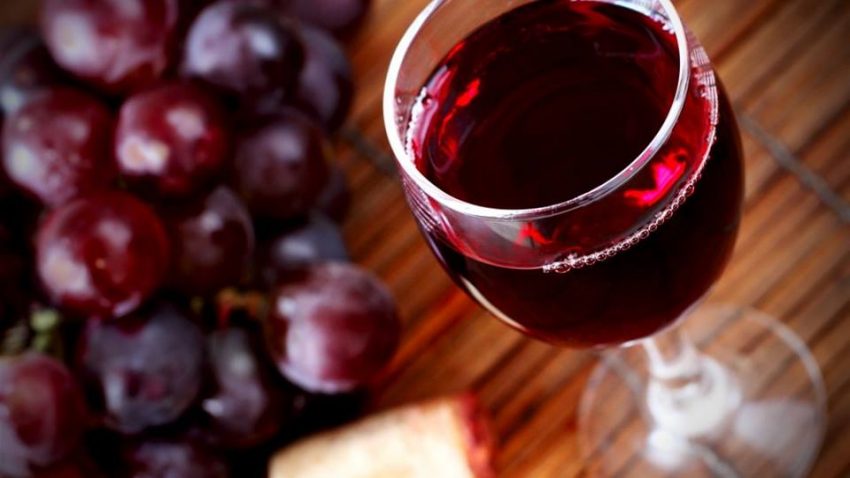
You probably heard that moderate amounts of red wine can help people live longer and lower the chances of heart disease, cancer, and diabetes. Many of the good effects of red wine and grapes are in fact the health benefits of resveratrol, a powerful phytochemical.
Resveratrol, the Antioxidant in Red Wine
Many years ago, scientists found that drinking a glass of red wine a day supports cholesterol management. This was then used to explain why the French – a population of regular red wine drinkers – have such low risks of cardiovascular disease. The same experts state that it’s not the red wine per se that makes good for the heart, but what’s inside the red wine: Phytochemicals including resveratrol.

Resveratrol is sourced from plants and is known for its antioxidant properties. While the most popular source is red wine, we also eat it in:
- grapes,
- peanuts,
- pistachio,
- cocoa,
- a few species of berries.
Resveratrol is highly concentrated in the skin and seeds of grapes, the parts that happened to be included in wine fermentation. The powerful antioxidants promote longevity, and it’s one of the most important grape seeds benefits.
With hard science backing them up, health and wellness companies manufactured and sold resveratrol as a heart-healthy supplement. Beyond heart health, researchers point out how resveratrol consumption can lead to a longer life.
But what exactly does science say about resveratrol?
The Benefits of Resveratrol that Make it Good For You
Plants naturally develop resveratrol to help deal with fungal infections, the sun’s harmful rays, and injury to the plant tissue. In 2003, a Harvard Medical School genetics professor Dr. David Sinclair discovered that this very phytochemical improves cell health and slows aging in yeast and mice. His discovery lead to a new interest of the scientific community in the potential health benefits of resveratrol on humans.
Today, we know and love resveratrol as one of the most potent heart health supplements on the market. Manaigng blood pressure, slowing the growth of tumors, and protecting against diabetes are just a few of resveratrol effects on human health.

1. Resveratrol Helps Manage Blood Pressure
When your heart pumps, it sends blood out into the arteries and around the body – that’s the systolic part of blood circulation. The arteries stiffen with age and this causes systolic blood pressure to rise. The top number on your blood pressure monitor is systolic pressure.
In general, phenolic compounds are great heart health supplements, and resveratrol is among the most powerful antioxidants among phenols.
One of the resveratrol effects, especially in higher doses, is that it’s one of the supplements to help lower blood pressure by enabling the body to produce more nitric oxide. Nitric oxide is the body’s natural vasodilator, a compound that widens blood vessels and regulates blood circulation that way. Higher levels of nitric oxide promote blood vessel relaxation, reducing blood pressure in the process. Taking high amounts of resveratrol has been cited to produce more nitric oxide [1] – the same reason that makes beetroot a popular pre-workout juice.
2. Resveratrol Improves Cholesterol
Taking resveratrol supplements has been shown to exhibit pro-HDL effects. [2] HDL is also known as “the good cholesterol” and it helps your liver get rid of LDL, “the bad cholesterol”.
In some studies, Resveratrol not only lowers LDL, but also boosts HDL count. Furthermore, the antioxidant was also cited to reduce the effects of enzymes that promote excess cholesterol levels.
As if it wasn’t healthy enough, resveratrol supplementation can also lower the oxidation of LDL cholesterol. LDL oxidation contributes to plaque buildup inside our artery walls, which then causes strokes.
All in all, resveratrol can help your body deal with cholesterol buildup, manage blood pressure, and lower your chances of heart disease.
But, if resveratrol is not just right for you, check out other great supplements that help cholesterol regulation.

3. Longevity Benefits of Resveratrol
With all its good effecThough results are still inconclusive, scientists believe resveratrol might promote longevity.
Research shows resveratrol activates specific groups of genes that protect against age-related diseases. In a nutshell, resveratrol from grape seeds, peanuts, or red wine helps your body by activating the protein sirtuin 1 (SIRT1), strongly liked with longevity. However, the lack of scientific research on human subjects [3] makes word of mouth the strongest advocate of resveratrol effects on longevity.
With all of resveratrol benefits on cardiovascular health, insulin resistance, and protection against tumors, our two-in-one resveratrol and sirtuins supplement can surely help you live a longer and healthier life.
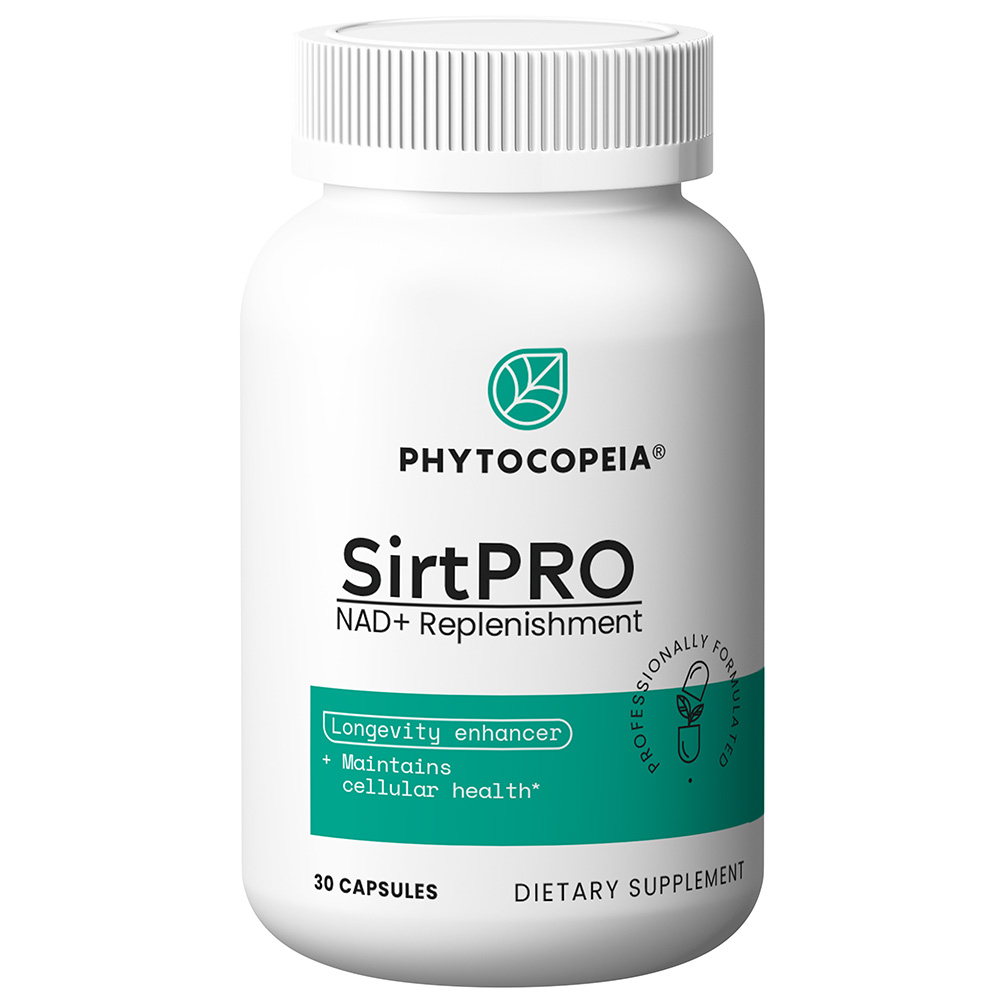
SirtPRO
Promotes longevity, healthy aging, and supports muscle composition.
The DNA-protective properties of NAD+ may help lower the risks of cancer cell growth.
Boosting your NAD+ levels may positively affect muscle function, strength and endurance as you age.
4. Resveratrol is Brain Food
Research links better brain health and slower age-related cognitive decline to regular red wine intake. Scientists attribute it to red wine’s natural antioxidant and anti-inflammatory properties.
Specifically, resveratrol has been cited to interfere with protein fragments that set the groundwork for brain diseases like Alzheimer’s disease. Other studies found the antioxidant can also promote processes that trigger a “protect brain cells” effect across the brain. [4]
5. Resveratrol and Type 2 Diabetes
Type 2 Diabetes can be described as uncontrolled insulin resistance. The body doesn’t efficiently scavenge glucose from blood circulation, causing high levels of sugar in the blood. To compensate, the body then produces more insulin. But, too much insulin has been correlated to multiple cardiovascular conditions.
Experts suggest resveratrol intake influences insulin sensitivity and prevents complications from diabetes. The exact mechanism involves the reduction of conversion of glucose to sorbitol. Too much sorbitol in those with type 2 diabetes can promote oxidative stress, which then snowballs into more metabolic disorders. [5]
It’s said that resveratrol’s effect on insulin secretion plays a big role in its benefits on overall health and lifespan.

6. Resveratrol Helps Protect Against Cancer
Resveratrol has had positive results in the prevention and treatment of cancer. The antioxidant demonstrated the ability to ward off several kinds of cancer cells, including skin, colon, prostate, and breast cancer cells. Researchers also say it slows cancer cell growth, alternates genes to reduce cancer cell multiplication, and possesses anti-cancer effects on hormone-dependent cancer cells. [6]
While the studies are promising for cancer research and alternative treatments, most of these results were only observed in test tubes or in animals.
How to Get Health Benefits of Resveratrol Without Alcohol
If there was one reason to drink more wine, it would be for its resveratrol content. However, it’s not a good idea to start drinking just for the heart health benefits – because increased alcohol consumption can lead to more serious health problems.
On the other hand, resveratrol has been cited to have cardiovascular, cholesterol, anti-cancer, and even longevity benefits.
Don’t worry, there are two ways in which you can get all the benefits of resveratrol without getting a hangover (apart from very limited wine intake):
- Get the most out of grape seeds – benefits of resveratrol can come from the good, old grape. You’ll just need to bite grape seeds and chew them well to let your digestive tract absorb as much as possible. The taste is quite astringent – but the health benefits are well worth it!
- Take longevity and heart health supplements that include high-quality and purity resveratrol. We’d go with SirtPRO – it’s formulated with plant-derived polyphenols and nicotinamide mononucleotide (NMN)!
SirtPRO
Promotes longevity, healthy aging, and supports muscle composition.
The DNA-protective properties of NAD+ may help lower the risks of cancer cell growth.
Boosting your NAD+ levels may positively affect muscle function, strength and endurance as you age.
References:
- Bonnefont-Rousselot D. Resveratrol and Cardiovascular Diseases. Nutrients. 2016;8(5):250. Published 2016 May 2. doi:10.3390/nu8050250
- Xie HC, Han HP, Chen Z, He JP. A study on the effect of resveratrol on lipid metabolism in hyperlipidemic mice. Afr J Tradit Complement Altern Med. 2013;11(1):209–212. Published 2013 Nov 2.
- Hubbard BP, Gomes AP, Dai H, et al. Evidence for a common mechanism of SIRT1 regulation by allosteric activators. Science. 2013;339(6124):1216–1219. doi:10.1126/science.1231097
- Regitz C, Fitzenberger E, Mahn FL, Dußling LM, Wenzel U. Resveratrol reduces amyloid-beta (Aβ₁₋₄₂)-induced paralysis through targeting proteostasis in an Alzheimer model of Caenorhabditis elegans. Eur J Nutr. 2016;55(2):741-747.
- Fröjdö S, Durand C, Pirola L. Metabolic effects of resveratrol in mammals–a link between improved insulin action and aging. Curr Aging Sci. 2008;1(3):145-51.
- Chen ZH, Hurh YJ, Na HK, et al. Resveratrol inhibits TCDD-induced expression of CYP1A1 and CYP1B1 and catechol estrogen-mediated oxidative DNA damage in cultured human mammary epithelial cells. Carcinogenesis. 2004;25(10):2005-13.