
What Natural Supplements Lower Cholesterol?
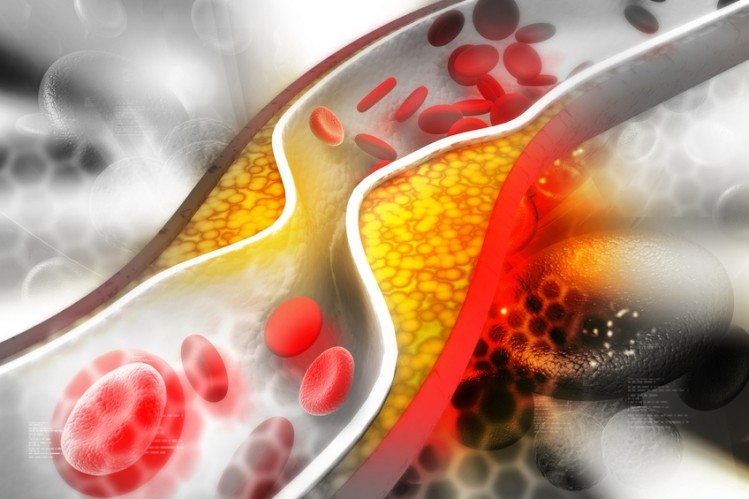
What Natural Supplements Lower Cholesterol? Before we answer this question, we must first understand what cholesterol is and the two types of cholesterol.
What is cholesterol?
Cholesterol is a lipid or in simple words, it is a fat present in our blood. The word cholesterol comes from the ancient Greek word “chole” which means “bile” (bile juice produced by the liver to absorb fats) and “stereos” which means “solid.”
Our body needs a balanced level of cholesterol to complete different functions and it is a major component of human cells. Cholesterol is required for the production of sex hormones in our bodies. It is a major building block of human tissues and also very important for the bile production in liver.
The human body produces cholesterol itself and it also absorbs it from the food we eat like meat, poultry, fish and dairy products. If we take foods with high cholesterol, the blood cholesterol level increases. This high cholesterol level blocks the arteries, which results in heart disease like heart attack [1].
There are two major types of cholesterol in human blood.
- High-density lipoprotein (HDL) is “The good cholesterol”.
- Low-density lipoprotein (LDL) is “The bad cholesterol”.
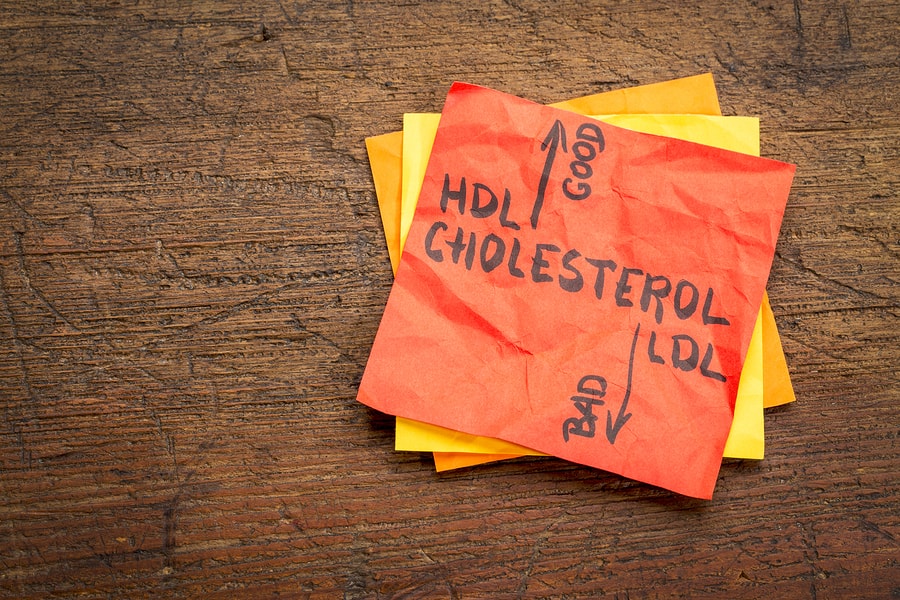
High-density lipoprotein (HDL) “The good cholesterol”
High-density lipoprotein (HDL) is commonly known as good cholesterol because its main function is to clear cholesterol from the blood. The major portion of HDL consists of protein with low amounts of cholesterol.
A high HDL level is beneficial for the human body as it reduces cardiovascular diseases by removing the low-density lipoproteins from the blood.
HDL carries cholesterol from blood and other body organs to the liver, the liver then flushes it from the body and this process maintains the cholesterol level in the blood. The recommended value for a good HDL level is above 60mg/dl. When this value decreases from 40mg/dl, the risk factor for heart diseases increases [2].
Low-density lipoprotein (LDL) “The bad cholesterol”
Low-density lipoprotein (LDL) is commonly known as bad cholesterol because it causes blockage in blood vessels when it exceeds the normal level. LDL consists of low protein and high levels of cholesterol, which make it a fattier solid that will cause plaque in the blood easily.
The main function of Low-density lipoproteins is to transport cholesterol from the liver to body cells. So if LDL level reduces from a certain (which is very rare) level it will also cause health problems.
LDL levels are elevated because of the fatty food we eat, which causes cardiovascular diseases. So it is necessary to maintain a normal level of LDL. The LDL level should be less than 100mg/dl for heart patients and less than 129mg/dl for healthy people [2].
What Natural Supplements Lower Cholesterol?
As mentioned above a high level of LDL and a low level of HDL increases the risk of heart diseases. So we must have to reduce our LDL levels and increase our HDL levels. When there is a question about lowering the cholesterol level, it usually means how to reduce the LDL level, not HDL. We have two options to reduce the LDL levels, if the LDL level is too high we definitely have to contact the doctor for a prescription.
If the cholesterol level is not that high or we want a balanced cholesterol level, here are some food products that are very useful to maintain a balanced cholesterol level.
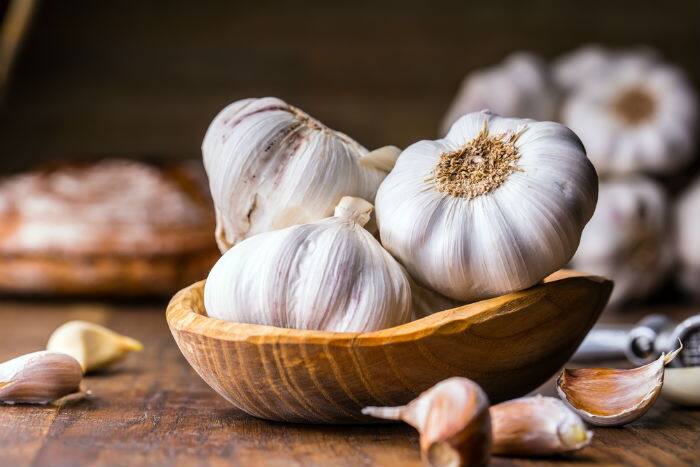
1. Garlic
Garlic consists of carbohydrates, protein, dietary fibres and less than 1% fat. It is also a source of B vitamins and dietary minerals like calcium, iron and zinc.
- Many studies showed that the use of garlic reduces blood pressure, and boosts the immune system. Garlic also has antioxidant antiviral and antibacterial properties.
- Garlic inhibits cholesterol synthesis, LDL oxidation, arterial plaque formation and lowers blood pressure. Taking one teaspoon of chopped garlic daily reduces the LDL level up to 10%. [3]
2. Ginger
The major components of ginger are gingerol, shogaol, and paradol. These components consist of many useful micronutrients like vitamin B, vitamin C, iron, calcium phosphorus, riboflavin and niacin. These micronutrients make ginger antioxidants, antimicrobial and anti-inflammatory.
Ginger also protects from cardiovascular diseases by increasing the HDL level, which then removes the bad cholesterol from the body [4].
3. Niacin
Vitamin B₃ is commonly known as niacin or nicotinic acid. Niacin boosts the levels of good cholesterol HDL. It also reduces the level of glycerides and the bad cholesterol LDL.
- The human body needs 16 mg of niacin per day to perform different functions.
- We can get niacin from the meat, especially as animal liver consists of the maximum amount of niacin. Peanuts, brown rice, and whole wheat are also good sources of niacin [5].
4. Red yeast rice
Red yeast rice consists of monacolin K, which is the main active component of the cholesterol-lowering drug lovastatin. So it can be used as a low-cost drug to reduce bad cholesterol levels [6].
5. Soluble fibre
Soluble fibre is the type of fibre having the ability to get dissolve in water. It reduces blood cholesterol and sugar levels.
The fruits having a good quantity of soluble fibre are; apple avocados, apricots, guavas, nectarine and pears. Different foods having a good amount of soluble fibre are; barley, beans, oats, rice bran and potatoes. [7]
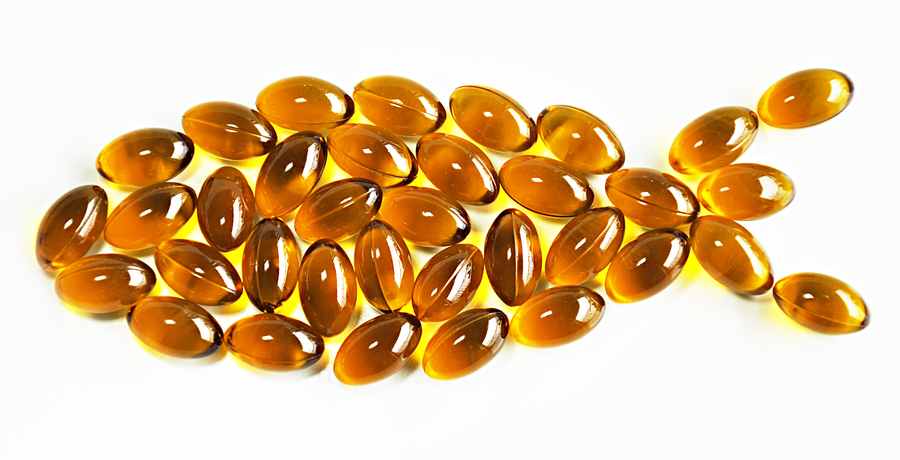
6. Fish oil
When it comes to answering “What Natural Supplements Lower Cholesterol?” fish oil is often brought up fairly early in the conversation.
- Fish oil contains omega-3 fatty acids, which play an important role to fight against inflammation and preventing heart diseases.
- Fish oil increases the good cholesterol level in our body and reduces bad cholesterol and triglycerides.
- It also reduces blood pressure and prevents arterial plaque formation [8].
7. Phytosterols or Plant sterols
Phytosterols are structural components of plant cell membranes. The chemical structure of these phytosterols is identical to cholesterol. So when we take phytosterols into our diet, they compete with cholesterol in the absorption process in the human digestive system. This results in less cholesterol absorption. All plants consist of phytosterols but high concentrations are found in unrefined plant oils like olive oil [9].
Cholesterol-lowering supplements by Phytocopeia
If you have a high cholesterol problem you must have take supplements. C3G PRO is a cholesterol-lowering supplement by phytocopeia which maintains blood circulation and is also beneficial for a healthy heart.
Wrap up
A high amount of bad cholesterol or LDL contributes to heart diseases. So it is necessary to maintain the blood cholesterol level. This can be done through healthy food and exercise. Saturated fats are the primary source of bad cholesterol so we have to avoid saturated fats.
Fruits and vegetables having a high amount of soluble fibre, vitamin B and phytosterols reduces cholesterol level and prevents arterial plaque formation. So we must have to eat vegetables and fruits frequently.
References
- Tabas, Ira. “Cholesterol in health and disease.” The Journal of clinical investigation 110, no. 5 (2002): 583-590.
- Ma, Hongbao, and Kuan-Jiunn Shieh. “Cholesterol and human health.” The Journal of American Science 2, no. 1 (2006): 46-50.
- Bongiorno, Peter B., Patrick M. Fratellone, and Pina LoGiudice. “Potential health benefits of garlic (Allium sativum): a narrative review.” Journal of Complementary and Integrative Medicine 5, no. 1 (2008).
- Shahrajabian, Mohamad Hesam, Wenli Sun, and Qi Cheng. “Clinical aspects and health benefits of ginger (Zingiber officinale) in both traditional Chinese medicine and modern industry.” Acta agriculturae scandinavica, section b—Soil & Plant Science 69, no. 6 (2019): 546-556.
- Manuel, Llabrés Josep, and Muñoz Pastor Nuria. “Preliminary Evidence of Efficacy for Policol® One Cholesterol Lowering Effect from Week 4, Adapted to the Upcoming Restrictions for Monacolins in Food in the EU.” World 6, no. 1 (2022): 1-9.
- Mollace, Rocco, Roberta Macrì, Annamaria Tavernese, Micaela Gliozzi, Vincenzo Musolino, Cristina Carresi, Jessica Maiuolo, Massimo Fini, Maurizio Volterrani, and Vincenzo Mollace. “Comparative Effect of Bergamot Polyphenolic Fraction and Red Yeast Rice Extract in Rats Fed a Hyperlipidemic Diet: Role of Antioxidant Properties and PCSK9 Expression.” Nutrients 14, no. 3 (2022): 477.
- Solà, Rosa, Eric Bruckert, Rosa-Maria Valls, Silvia Narejos, Xavier Luque, Manuel Castro-Cabezas, Gema Doménech et al. “Soluble fibre (Plantago ovata husk) reduces plasma low-density lipoprotein (LDL) cholesterol, triglycerides, insulin, oxidised LDL and systolic blood pressure in hypercholesterolaemic patients: a randomised trial.” Atherosclerosis 211, no. 2 (2010): 630-637.
- Nestel, Paul J. “Fish oil and cardiovascular disease: lipids and arterial function.” The American journal of clinical nutrition 71, no. 1 (2000): 228S-231S.
- Jones, Peter JH, Diane E. MacDougall, Fady Ntanios, and Catherine A. Vanstone. “Dietary phytosterols as cholesterol-lowering agents in humans.” Canadian journal of physiology and pharmacology 75, no. 3 (1997): 217-227.