
What Vitamins Give You Energy?
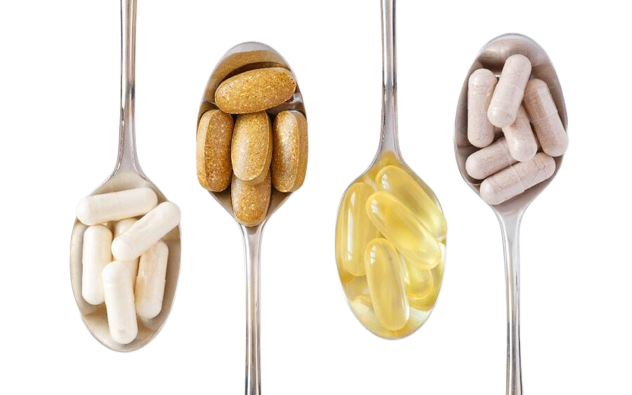
Let’s not aim to become a superman or a superwoman, but yes, specific vitamins can make you feel more energetic.
So, what are vitamins? They are defined as organic substances present in a limited, rather minute, amount in our food. They ensure the well-being of our bodies and contribute to their normal functioning [1].
But let’s break the myth for you:
Not all vitamins are energy sources.
While some help with the mineralization of bones, others help prevent oxidative stress. So, what kind of vitamins give you energy? Let’s find out.
The 11 Best Vitamins That Provide Energy
1. Vitamin B12
Vitamin B12 stands in the front when it comes to the vitamins that provide energy. Vitamin B12 directly breaks down the food you eat into energy molecules for the instant consumption of our body cells.
Additionally, vitamin B12 contributes to your blood’s health. It also enhances the functioning of nerve cells. This way, vitamin B12 prevents anemia that makes you feel weak and tired.
The vitamin boosts your energy and stamina. If you experience fatigue daily and feel tired due to physical pain or a nagging injury, vitamin B12 is what you need.

According to a 2016 study, the lack of vitamin B12 in your diet puts you at a greater risk of developing weight loss, weakness, and fatigue [2].
On average, a healthy adult needs 2.4 micrograms (mcg) of B12 per day. But your body can store up to 2,000 times the needed daily requirement. So, it usually takes years for the deficiency to show [3].
Sources: Animal proteins like meat, fish, dairy products
2. Vitamin D
Next on the list of the best vitamins for getting energy is the ‘sunshine vitamin.’ Vitamin D is produced when your skin is exposed to UV rays [4].
The low level of vitamin D reflects itself in the form of bone health, muscle pain, and weakness.
On average, you need 600 international units (IU). However, most people don’t meet these daily minimum requirements.
According to an estimate, nearly one billion people worldwide suffer from vitamin D deficiency, especially seniors and those with darker skin tones [5].
Often, vitamin D deficiency is correlated to mental tension and emotional unwellness.
Sources: Sunlight, fatty fish, egg yolks
3. Vitamin B6
Most vitamin Bs boost energy levels.
Vitamin B6 plays a critical role in producing healthy red blood cells that transport oxygen throughout the body, ensuring you stay energized at all times [6].
Vitamin B6 also helps produce dopamine and serotonin, mood-regulating and stress-relieving chemicals. This way, the vitamin ensures you have the required mental clarity and stronger nervous systems.

Sources: Bananas, potatoes, fish
4. Vitamin B2
Vitamin B2 works by breaking the carbohydrates into fuel, thus providing an instant dose of energy [7].
Sources: Mushrooms, wild rice, almonds
5. Vitamin B9
Also known as folic acid, vitamin B12 is especially critical for pregnant women. It helps in the proper development of the fetus [8].

Deficiency of B9 can lead to anemia which manifests itself in weakness and tiredness.
Sources: Avocado, beans, spinach
6. Vitamin B1
Lovingly called thiamine, vitamin B1 is another energy-delivering vitamin that supports your major organs and alleviates fatigue.
Vitamin B1 works by converting sugar into energy. This way, it also ensures that you don’t get blood sugar spikes, and the energy from the foods you eat is released timely [9].
Sources: Nuts, fish, seeds
7. Vitamin E
Vitamin E, is a powerful antioxidant that manages oxidative stress.
Vitamin E deficiency will interfere with the normal muscle contractile function, resulting in muscular fatigue during and after exercise [10].
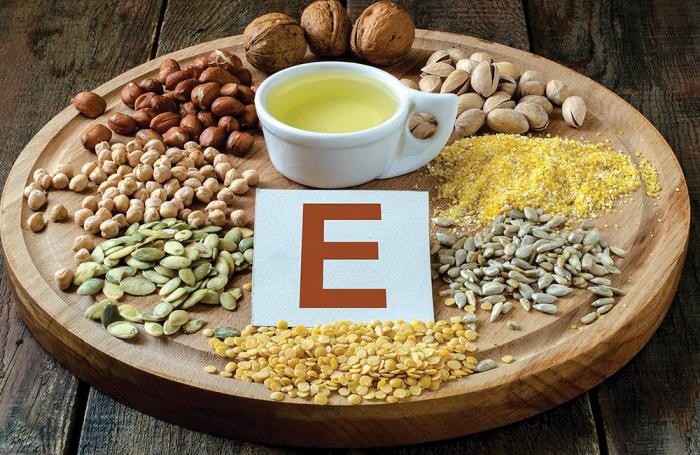
Thus, if you exercise daily, VE acts as an energy booster.
Sources: Sunflower seeds, almonds, peanuts, pumpkin
8. CoQ10
CoQ10 is an antioxidant produced by our body naturally. It assists the body in its energy production cycle, necessary for the optimum functioning of human tissues and organs [11].
The low levels of CoQ10 are often found to be linked with fatigue. The levels of CoQ10 are found to decrease with age. They are found particularly low in people with chronic illnesses like Parkinson’s disease and heart diseases.
Considering that increasing fatigue is related to aging, CoQ10 plays an important role in boosting energy levels.
Sources: Fatty fish, oranges, strawberries, spinach, sesame seeds
9. Vitamin A
New studies have revealed that vitamin A is another energy-boosting vitamin. ATP, the energy-carrying molecules found in our body cells, requires an adequate vitamin A level.
The deficiency of vitamin A translates to a decrease in the production of ATP, leading to reduced energy levels [12].
What’s more, low vitamin A levels in the body also adversely impact your immune system and vision. This leads to energy-sapping conditions such as interrupted sleep function and extreme lethargy.

Sources: Leafy green vegetables, beef liver, tomatoes, milk
10. Vitamin B5
Like vitamin B3, vitamin B5 also helps produce fat structures like hormones, especially stress-busting hormones. The vitamin helps you when your energy levels have dropped due to intense stress [13].
Sources: Dairy milk, beef, mushrooms
11. Vitamin B3
Talking about the best vitamins that release energy, vitamin B3 must be definitely on the list. Vitamin B3 serves as a co-factor in more than 200 enzyme reactions in our body.
Vitamin B3 also converts fats, proteins, and carbohydrates into energy. Additionally, it builds fat structures like hormones and cell membranes [14].
So, if you eat a diet less in B3, you could feel tired as your body won’t be able to convert food into energy, for instance, due to low levels of thyroid hormone.
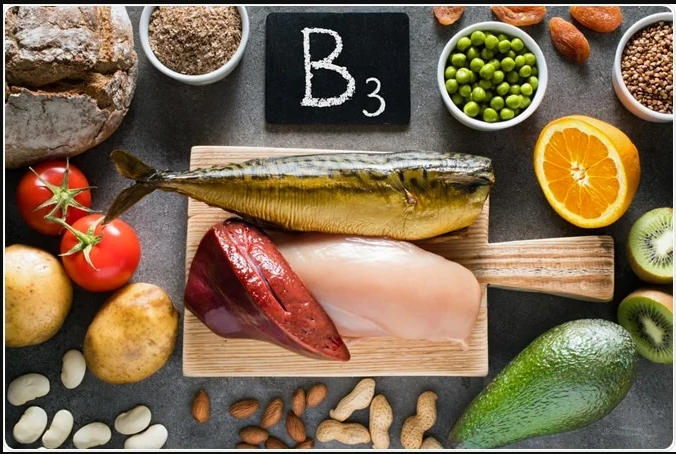
Sources: Tuna, salmon, peanuts, brown rice
Wrap Up
As you can see, not all vitamins give you energy. Thus, it is essential to have a balanced diet to meet your daily energy requirements. You can also supplement your diet with the best vitamin supplements for the best results.
References:
- Amadeo Gironés-Vilaplana, Débora Villaño, Javier Marhuenda, Diego A. Moreno, Cristina García-Viguera, Chapter 6 – Vitamins, Editor(s): Charis M. Galanakis, Nutraceutical and Functional Food Components, Academic Press, 2017, Pages 159-201, ISBN 9780128052570, https://doi.org/10.1016/B978-0-12-805257-0.00006-5.
- Office of Dietary Supplements – Vitamin B12. (2022). Retrieved 15 April 2022, from https://ods.od.nih.gov/factsheets/VitaminB12-HealthProfessional/
Supplements and Energy: What to Know. (2022). Retrieved 15 April 2022, from https://www.webmd.com/sleep-disorders/supplements-and-energy-what-to-know - Wacker M, Holick MF. Sunlight and Vitamin D: A global perspective for health. Dermatoendocrinol. 2013;5(1):51-108. doi:10.4161/derm.24494
- Nair R, Maseeh A. Vitamin D: The “sunshine” vitamin. J Pharmacol Pharmacother. 2012;3(2):118-126. doi:10.4103/0976-500X.95506
- Tardy AL, Pouteau E, Marquez D, Yilmaz C, Scholey A. Vitamins and Minerals for Energy, Fatigue and Cognition: A Narrative Review of the Biochemical and Clinical Evidence. Nutrients. 2020;12(1):228. Published 2020 Jan 16. doi:10.3390/nu12010228
- Vitamin B2 (Riboflavin): Sources, benefits and dosage. (2022). Retrieved 15 April 2022, from https://www.livescience.com/51966-vitamin-b2-riboflavin.html
- Finkelstein JL, Layden AJ, Stover PJ. Vitamin B-12 and Perinatal Health. Adv Nutr. 2015;6(5):552-563. Published 2015 Sep 15. doi:10.3945/an.115.008201
- Martel JL, Kerndt CC, Doshi H, et al. Vitamin B1 (Thiamine) [Updated 2021 Oct 16]. In: StatPearls [Internet]. Treasure Island (FL): StatPearls Publishing; 2022 Jan-. Available from: https://www.ncbi.nlm.nih.gov/books/NBK482360/
- Coombes JS, Rowell B, Dodd SL, Demirel HA, Naito H, Shanely RA,
- Powers SK. Effects of vitamin E deficiency on fatigue and muscle contractile properties. Eur J Appl Physiol. 2002 Jul;87(3):272-7. doi: 10.1007/s00421-002-0631-3. Epub 2002 May 22. PMID: 12111289.
- Saini R. Coenzyme Q10: The essential nutrient. J Pharm Bioallied Sci. 2011;3(3):466-467. doi:10.4103/0975-7406.84471
- Tardy AL, Pouteau E, Marquez D, Yilmaz C, Scholey A. Vitamins and Minerals for Energy, Fatigue and Cognition: A Narrative Review of the Biochemical and Clinical Evidence. Nutrients. 2020;12(1):228. Published 2020 Jan 16. doi:10.3390/nu12010228
- D. Nohr, H.K. Biesalski, Vitamin B5, Reference Module in Food Science, Elsevier, 2016, , ISBN 9780081005965, https://doi.org/10.1016/B978-0-08-100596-5.01071-4.
- Fricker RA, Green EL, Jenkins SI, Griffin SM. The Influence of Nicotinamide on Health and Disease in the Central Nervous System. Int J Tryptophan Res. 2018;11:1178646918776658. Published 2018 May 21. doi:10.1177/1178646918776658