
What vitamins to take with COVID?
What are vitamins?
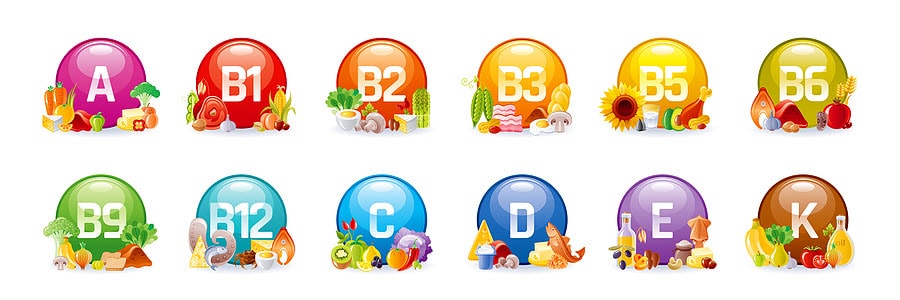
Vitamins are organic compounds that help our body organs to do routine functions efficiently. Vitamins mostly consist of a group of molecules called Vitamers. The body produces these vitamins from the food that we take. What that means is, taking vitamin-rich foods is critical in maintaining physiological processes and organ function [1]. There are two main classes of vitamins [2]:
Water Soluble Vitamins
The vitamins having good solubility in water are classified as water soluble vitamins. In human body there are nine water soluble vitamins (Vitamin B₁, Vitamin B₂, Vitamin B₃, Vitamin B₅, Vitamin B₆, Vitamin B₇, Vitamin B₉, Vitamin B₁₂ and Vitamin C).
The water solubility of these vitamins has a major drawback as they easily secrete with urine. The more we drink water the more we urinate and the more we lose the vitamins. So, it is necessary to take water soluble vitamins frequently.
Fat soluble Vitamins
The vitamins that are absorbed through the intestinal tract with the help of lips are called fat soluble vitamins. There are a total of four fat soluble vitamins in the human body (Vitamin A, Vitamin D, Vitamin E and Vitamin K).
We need these vitamins in a balanced form as they are not soluble in water so we need these vitamins in greater amounts as compared to water soluble vitamins.
The role of vitamins in COVID
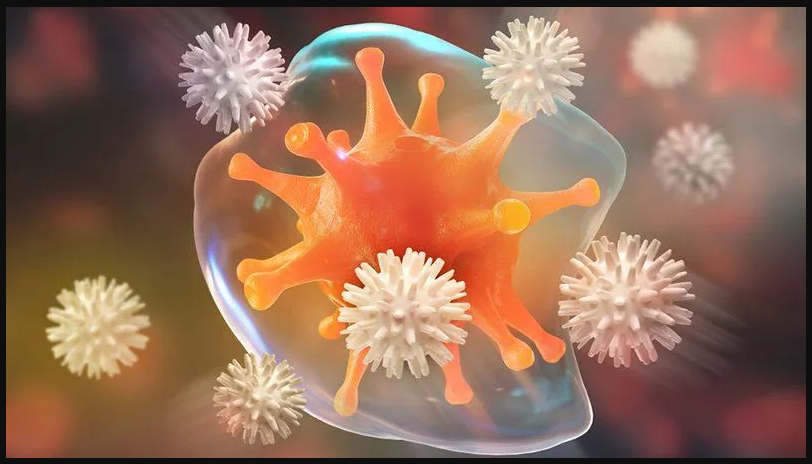
As we all know by now, COVID-19 is an infectious disease that affects our body systems severely if we have a weak immune system.
Deficiency of vitamins and other micronutrients results in a weak immune system. A balanced diet having sufficient amounts of vitamins like vitamin A, B, C, D, E, K and some nutrients like calcium, sodium and zinc leads to a strong immune system.
If we don’t want to get affected by COVID, we have to make our immune system strong by taking different vitamins and nutrients [3].
What vitamins to take with COVID?
There are a total 13 vitamins the body uses daily (Vitamin A, Vitamin C Vitamin D, Vitamin E, Vitamin K, Vitamin B₁, Vitamin B₂, Vitamin B₃, Vitamin B₅, Vitamin B₆, Vitamin B₇, Vitamin B₉, and Vitamin B₁₂) all are must for a healthy immune system or to fight against COVID.
But, some have a major role to boost the immune system to fight against COVID. These are Vitamin C and Vitamin jD.
What vitamins to take with covid: Vitamin C
Vitamin C (also known as ascorbic acid or ascorbate) plays a major role in our body, it has promising antioxidant, antiviral, antimicrobial, antiparasitic and immunomodulatory properties. It also improves the absorption of nonheme iron (iron found in plants and animal flesh).
The best Vitamin C containing fruits are oranges, kiwi, Lemon, grapefruit, strawberries and tomatoes.
While the best Vitamin C containing vegetables are bell peppers, white potatoes, broccoli, brussels sprouts, cabbage and cauliflower.
How much and how to take Vitamin C
High and prolonged heat destroys vitamin C, so avoid high and prolonged heating upon cooking vegetables containing Vitamin C.
- As it is a water soluble Vitamin, vitamin C dilutes when we add plenty of water to cook foods rich in it. Quick heating and less water give the best results.
- In normal conditions, the daily recommended amount of vitamin C is 90 mg for men and 75 mg for women.
- During pregnancy, the amount increases to 120 mg per day. In any pandemic condition, the recommended amount is 1000 mg twice a day for men and women. For this purpose, vitamin C is available in different forms of supplements [4].
RejuvaPro consists of essential antioxidants like taxifolin and vitamin C, which protects the human body from maximum free radicals and gives strength to the immune system.
MaculoPRO contains 500 mg vitamin C along with several other micronutrients. It helps to reduce oxidative stress and protects eyes from the damage of sunlight.
What vitamins to take with covid: Vitamin D
Vitamin D is a group of secosteroids among which vitamin D₃ is the most active one followed by vitamin D₂.
To gain vitamin D naturally, exposure to sunlight is a must because it synthesises in the lower layer of skin epidermis, and the synthetic reaction is highly dependent on sunlight or we can say UV radiations.
- Vitamin D shows excellent antiviral, antimicrobial and antifungal activities.
- Vitamin D deficiency results in different respiratory problems in adults and children.
- And according to recent studies, people having vitamin D deficiency are at greater risk of getting affected by COVID-19 [5].
- The recommended value of vitamin D is 1000 IU once or twice a day. We fulfil this amount by eating fish, fortified food, red meat and recommended supplements of vitamin D.
But all natural synthesis is dependent on sunlight, so if we don’t have enough exposure to sunlight daily, vitamin D supplements are the best option [6].
Wrap up
COVID affects people having weak immune systems, so we have to make our immune system strong enough to fight against COVID. For a healthier immune system Vitamins and other micronutrients play a major role.
Among the different vitamins, vitamin C and vitamin D have promising antiviral activities and they also improve the human immune system. So we have to make sure that we are taking the required amount of vitamins daily.
References:
- Halver, John E. “The vitamins.” In Fish nutrition, pp. 61-141. Academic Press, 2003.
- Bellows, L., R. Moore, J. Anderson, and L. Young. “Water-soluble vitamins: B-complex and vitamin C.” Food and nutrition series. Health; no. 9.312 (2012).
- Kumar, Puneet, Mandeep Kumar, Onkar Bedi, Manisha Gupta, Sachin Kumar, Gagandeep Jaiswal, Vikrant Rahi et al. “Role of vitamins and minerals as immunity boosters in COVID-19.” Inflammopharmacology 29, no. 4 (2021): 1001-1016.
- Gruber-Bzura, Beata M. “High-Dose Vitamin C Supplementation as a Legitimate Anti-SARS-CoV-2 Prophylaxis in Healthy Subjects—Yes or No?.” Nutrients 14, no. 5 (2022): 979.
- Ali, Nurshad. “Role of vitamin D in preventing of COVID-19 infection, progression and severity.” Journal of infection and public health 13, no. 10 (2020): 1373-1380.
- Stoffers, Ashley J., David R. Weber, and Michael A. Levine. “An Update on Vitamin D Deficiency in the twenty-first century: nature and nurture.” Current Opinion in Endocrinology & Diabetes and Obesity 29, no. 1 (2022): 36-43.