
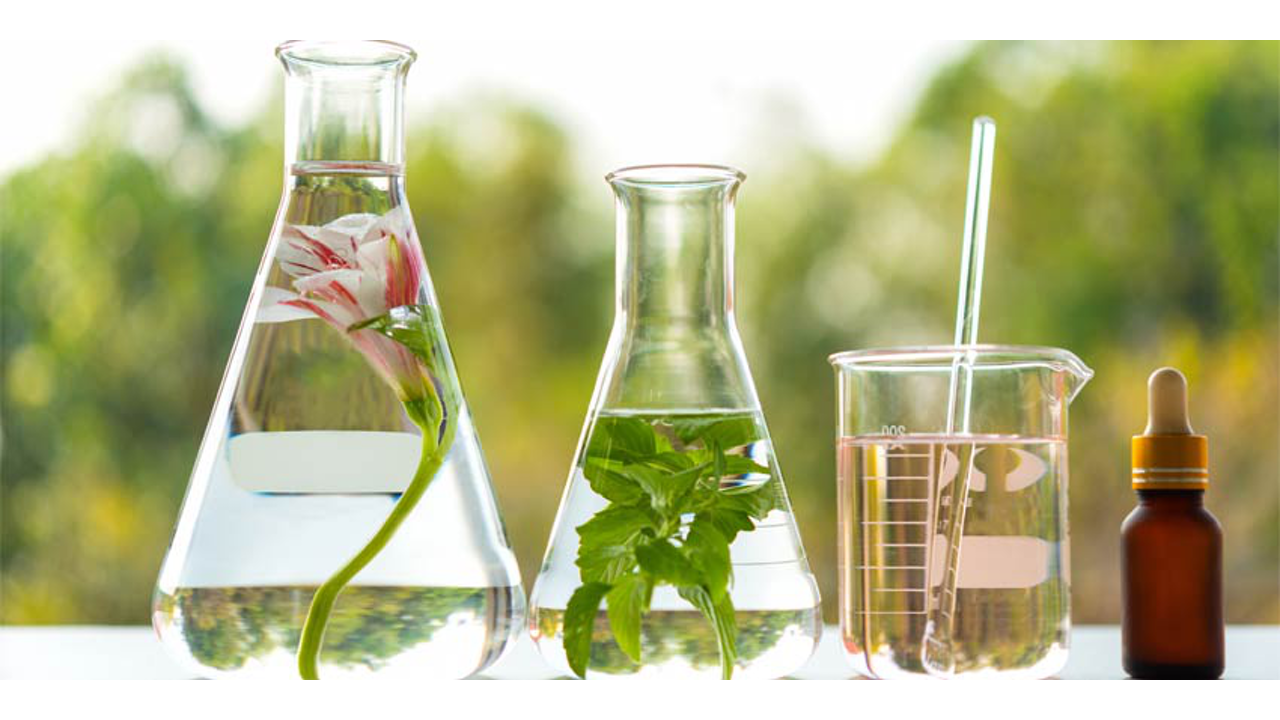
Our company name, Phytocopeia, stems from the potential health benefits of phytochemicals. We believe that many, if not all, answers to mankind’s diseases are found in nature, and it’s simply a matter of finding the right compounds and their concentrations.
But, what exactly are phytochemicals? How do they work? What are some examples?

What are Phytochemicals?
Phytochemicals are non-nutritive chemicals in plant foods that protect plants from microbial invasions and infections. The same chemicals can also be called phytonutrients. These plant chemicals are also beneficial to human health, especially when it comes to immunity and other bodily functions. In a way, phytochemicals help us ward off infections or provide health benefits, in a similar way as they help plants.
In the simplest sense, phytochemicals are plant chemicals that aren’t essential to human survival, but they do wonders in optimizing the way our system runs.
Think of phytochemicals as having an umbrella:
You can go a full year without ever using an umbrella, but it would help you from being wet in the rain or from overexposure to harsh sunlight – two things that can contribute risk of disease.
Phytochemicals give the plant color, aroma, and flavor, but when we eat them, they work with other nutrients to fend off disease and more.
Some phytochemicals stimulate the immune system; others slow the growth of cancer cells; many have antioxidative benefits.
The Abundance of Ways Phytochemicals Benefit Us
As mentioned earlier, phytochemicals are not essential to humans i.e., not required by the body to sustain life, but they are essential to plants. It’s not just the plants we eat such as fruits and vegetables – all plant life needs some phytochemicals to protect them.
Phytochemicals are part of a plant’s self-protection program, helping shield young buds and sprouts from predators, pollution, the elements and more. If you think about it, consuming plants and their fruits or seeds, in a way, imparts those protective benefits to us.
However, the term doesn’t refer to a single type of compound – phytochemicals is rather a blanket term. Several thousand phytochemicals have been identified, and certainly, many more await discovery. What makes this area of nutrition research so exciting is that not only does the list keep growing, but researchers are also continually learning more about how beneficial these compounds are to human health.
There are many phytochemicals and each works differently. Many phytochemicals are antioxidants e.g. anthocyanin, curcumin, quercetin, and beta-carotene are some of the better-known antioxidant phytochemicals.
How Many Phytochemicals for Optimal Benefits?
Currently, there are no official dietary requirements for phytochemicals. Scientists are steadily addressing this void, and as they isolate, identify and study phytochemicals, they hope to gather sufficient data to make dietary recommendations.
For now, eating lots of plant-based foods rich in phytochemicals may help to protect your body against getting common diseases (like heart disease and inflammatory conditions) and some cancers.
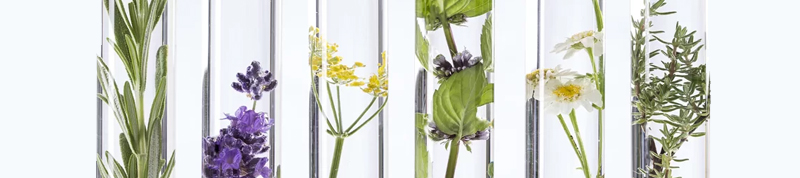
Classification of Phytochemicals
Over the course of research and study of phytochemicals, scientists identified the three major classes of plant chemicals. These are terpenoids, phenolic metabolites, and alkaloids.
- Terpenoids. Terpenoids are responsible for the plant species’ aroma, taste, and color. Some of them are monoterpenoids, iridoids, sesquiterpenoids,sesquiterpene lactones, diterpenoids, triterpenoid saponins, steroid saponins, cardenolides and bufadienolides, phytosterols, cucurbitacins, nortriterpenoids, and other triterpenoids and carotenoids.
- Phenolic metabolites. Phenolic metabolites are byproducts of a plant’s metabolic processes. These include anthocyanins, anthochlors, benzofurans, chromones, coumarins (minor flavonoids) flavonones and flavonols, isoflavonoids, lignans, phenols and phenolic acids, phenolic ketones, phenylpropanoids, quinonoid, stilbenoids, tannins andxanthones.
- The largest group of phytochemicals comprises the phenolic chemicals.
- Some of the well-known phytochemicals are lycopene in tomatoes, isoflavones in soy and flavonoids in fruits.
- Alkaloids: Alkaloids are organic nitrogen-containing bases. They have various functions in plants, with one being a growth regulator. Examples of alkaloids include amaryllidaceae, betalain, diterpenoid, indole, isoquinoline, lycopodium, monoterpene, sesquiterpene, peptide, pyrrolidine and piperidine, pyrrolizidine, quinoline, quinolizidine, steroidal, and tropane compounds.
There are also other nitrogen-containing plant constituents that don’t exactly fit in any of the three categories, but are abundant enough to warrant mentioning. These are nonprotein amino acids, amines, cyanogenic glycosides, glucosinolates, and purines and pyrimidines.

Phytochemicals – Benefits and Common Sources
Organized into groups like carotenoids, flavonoids, isoflavones, and allylic sulfides, phytochemicals are found in fruits, vegetables, nuts, legumes, and grains.
| Phytochemical(s) | Plant Source | Possible benefits |
|---|---|---|
| Carotenoids (beta‐carotene, lycopene, lutein, zeaxanthin) |
Red, orange and green fruits and vegetables including broccoli, carrots, cooked tomatoes, leafy greens, sweet potatoes, winter squash, apricots, cantaloupe, oranges and watermelon | May inhibit cancer cell growth, work as antioxidants and improve immune response |
| Flavonoids (anthocyanins, quercetin) |
Apples, citrus fruits, onions, berries, soybeans and soy products (tofu, soy milk, edamame, etc.), coffee and tea | May inhibit inflammation and tumor growth; may aid immunity and boost production of detoxifying enzymes in the body |
| Indoles and Glucosinolates (sulforaphane) |
Cruciferous vegetables (broccoli, cabbage, collard greens, kale, cauliflower and Brussels sprouts) |
May induce detoxification of carcinogens, limit production of cancer‐related hormones, block carcinogens, and prevent tumor growth |
| Inositol (phytic acid) |
Bran from corn, oats, rice rye and wheat, nuts, soybeans and soy products (tofu, soy milk, edamame, etc.) | May inhibit cancer cell growth and work as antioxidant |
| Isoflavones (daidzein, genistein) |
Soybeans and soy products (tofu, soy milk, edamame, etc.) | May inhibit tumor growth, limit production of cancer‐related hormones, and generally work as antioxidant |
| Isothiocyanates | Cruciferous vegetables (broccoli, cabbage, collard greens, kale, cauliflower and Brussels sprouts) |
May induce detoxification of carcinogens, block tumor growth and work as antioxidants |
| Polyphenols (ellagic acid, resveratrol) |
Green tea, grapes, wine, berries, citrus fruits, apples, whole grains and peanuts | May prevent cancer formation, prevent inflammation, and work as antioxidants |
| Terpenes (perillyl alcohol, limonene, carnosol) |
Cherries, citrus fruit peel, rosemary | May protect cells from becoming cancerous, slow cancer cell growth, strengthen immune function, limit production of cancer‐related hormones, fight viruses, work as antioxidant |

Too Many To Count
Some other possible forms of phytochemicals include:
- Indoles. Indoles are found in cabbages and has been shown to stimulate enzymes that make estrogen less effective in cases where it could be critical, such as when a person has or is at risk of breast cancer. Other phytochemicals, which interfere with enzymes, are protease inhibitors (soy and beans), terpenes (citrus fruits and cherries).
- Isoflavones. Isoflavones are found in soy and imitate human estrogens. In some cases, this can help reduce menopausal symptoms and even osteoporosis.
- Saponins. Saponins are found in beans and help interfere with abnormal replication of cell DNA, thereby preventing the growth of cancer cells.
- Capsaicin. Capsaicin is found in hot peppers and contributes to the overall protection of our DNA against carcinogens.
- Proanthocyanidins. Proanthocyanins are responsible for the anti-adhesion properties of cranberry. The consumption of cranberries has also been shown to reduce the risk of urinary tract infections and improve dental health.
- Allicin. Allicin is found in garlic and has anti-bacterial properties.
Some phytochemicals bind physically to cell walls thereby preventing the adhesion of pathogens to human cell walls.
Phytochemicals Can Give Color And Protect Cells
Some of the most important phytochemicals are plant pigments, such as carotenes, chlorophyll, and flavonoids. Although these phytochemicals work in harmony with antioxidants such as vitamin C, vitamin E, and selenium, they also offer considerably greater protection against cancer than these simple nutrients do.
A considerable amount of research indicates accessory nutrients and phytochemicals are critical in the battle against the development of many chronic degenerative diseases, such as heart disease and cancer.
Although some of these valuable food components are available as dietary supplements, in many cases, accessory nutrients and phytochemicals are even more bioavailable in foods. This fact once again shows the tremendous healing power of a whole-food diet.

Supplementing with Phytochemicals
Phytochemicals have the potential of being incorporated into foods or food supplements as nutraceuticals. The term nutraceutical was coined by DeFelice, director of the Foundation for Innovation in Medicine.
A nutraceutical is any non-toxic food extract supplement that has scientifically proven health benefits for both disease treatment and prevention. With the mission to help people heal, we offer pure monomer flavonoid phytochemicals.
-
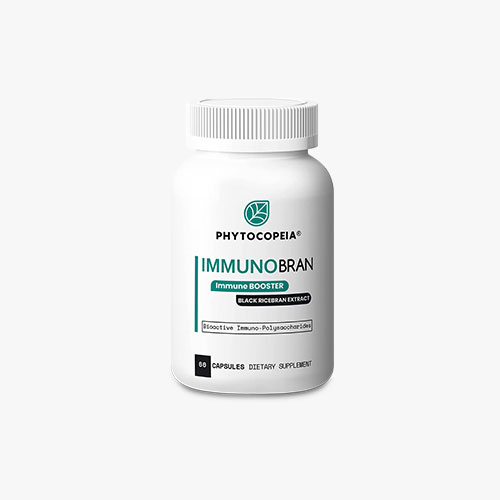
ImmunoBRAN
Supports a stronger immunity, a source of powerful antioxidants, and more potent than other immune boosters. Promotes healthy immune detox and increases general immunity. It directly acts on immune cells in the liver and increases the detox process.
$29.99
The Best From Nature: Phytochemicals Benefit Everyone
Most nutrition products only focus on vitamins and neglect the power of secondary phytochemicals. Unfortunately, this is due to lack of research on these amazing health compounds, though this is changing.
A ‘big bang’ is currently impacting the food, health and pharmaceutical industries, among others. This ‘big bang’ derives from an explosion in research and publications providing scientific evidence to support hypotheses that phytochemicals in foods and in isolated form provide health benefits to the consumer.
No longer is ‘an apple a day keeps the doctor away’ a cliche quoted solely by persuasive mothers.
References
- Cora J Dillard and J Bruce German(2000), ReviewPhytochemicals: nutraceuticals and human health, journal of science of food and agriculture
- DeFeliceSL(1995), The nutraceutical revolution: its impact on food industry R&D. Trends Food SciTechnol 6:59–61.
- Haslam E(1998), Practical Polyphenolics: From Structure to Molecular Recognition and Physiological Action, Cambridge UniversityPress, Cambridge, UK
- Karrie Heneman, Sheri Zidenberg-Cherr, NUTRITION AND HEALTH INFO SHEET PHYTOCHEMICALS, University of California (publication 8313)
- Phytochemicals. (2022). Retrieved 26 February 2022, from http://www.phytochemicals.info/