
Gut health and why it’s not just about digestion

Gut health and why it’s not just about digestion
When talking about gut health, the first word that comes to mind is digestion. While digestion is perhaps the gut’s more defining role, research has since proven that the gut is more than just a place where we break down food.
Beyond digestion and absorption, our gut is also responsible for storing neurotransmitters, substances that are, among other things, responsible for regulating our moods and our psychological and emotional well-being, a function thought to be exclusive to the human brain.
Our gut health also determines whether our immune system is up to the task of defending us or not, thanks to its bacterial content. We refer to these bacteria as “Gut Flora” and they help optimize the body against infections, regulate metabolism, and maintain our gastrointestinal functions.
Basically, an abundance of gut flora is linked to a healthier and higher quality of life. This makes optimal gut health critical for a healthy lifestyle and led scientists to link many of our diseases to an impaired or weakened gut.
What weakens gut health
So, what exactly makes our gut sick and become a cause of certain diseases?
1. Antibiotics
Antibiotics are life saving drugs and are effective ways to treat many diseases by killing bad bacteria, but their benefits should be considered with the knowledge that they also take the good ones too.This is one of the reasons why antibiotics are now treated as a last resort and should not be used in self-medication.
2. Poor diet
You are what you eat, and the bacteria in your gut depend on the nutrients you ingest. A healthy diet promotes healthy gut flora. A poor diet gives them a hostile environment without sufficient nutrients to grow.
3. Stress
Having butterflies in your stomach might not be just a cute metaphor anymore. Stress is a prominent cause in almost every known disease. Recent research has shown its harmful effect on gut health such as making you more susceptible to infections and other common diseases of the gastrointestinal tract.
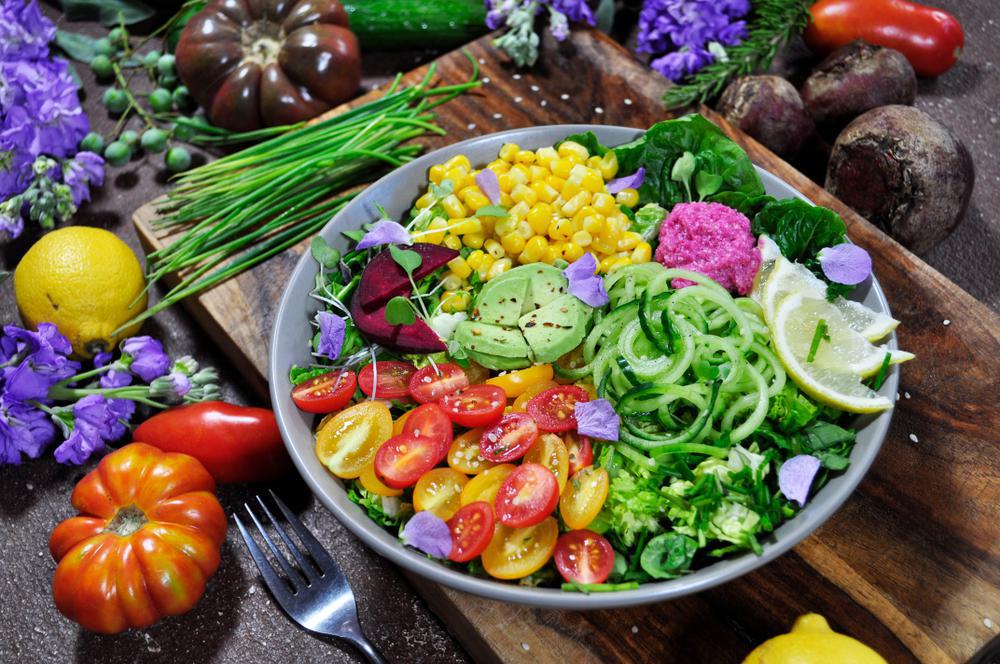
Taking Care of the Gut with a Plant Based Diet
No one will disagree when you say vegetables and fruits are healthy. They’re nutrient dense, they provide a lot of health benefits, and they can help a person live a longer life.
Adopting a plant-based diet is generally good for anyone. However, they also have properties that are beyond nutrition and enzymes. A plant-based diet is also the best way to promote gut health as plants are great sources of prebiotics and probiotics.
Prebiotics are basically supplements that usually come in fermentable fibers, mostly carbohydrates, and used to create a healthy environment in the gut. Essentially, prebiotics are laying the groundwork for old and new bacteria to grow.
If prebiotics make sure the land is fertile, then probiotics are the crops that will grow on it. Probiotics are actual live bacteria found mostly in fermented foods and some probiotic supplements.
Some of the benefits of taking probiotics and prebiotics are increased bone density, reduced triglyceride levels, weight loss, better bowel movement, stronger immune system, reduced risks of urinary tract infections, and better resistance to enteric pathogens.
Getting started with a plant-based diet for gut health
There is no ultimate way to get started with a plant-based diet. However, here are some quick and easy tips for you to optimize gut health TODAY.
- Eat more fiber. High-fiber foods are sources of nutrition for gut flora. Without fiber, the growth of gut flora slows down, which can lead to disease and an overall poor quality of life.
- Reduce animal-based products. You don’t have to remove meat from your diet, but it does help to sub some meat-based meals with plant-based ones, especially because some meat products can actually be detrimental to gut health.
- Eat more Prebiotic-rich foods. Good sources of prebiotics are artichokes, chicory root, leeks, onions, asparagus, spinach, beans, bananas, and oats.
- Fermented foods are your friends. Probiotics thrive in fermented foods like sauerkraut, miso, tempeh, kefir, and kimchi.
- Natural Supplements with plant-based products. You can always take natural supplements for your plant-based diet to help fill in the gaps. There are specific products out there designed to act as prebiotic supplements (mostly consisting of fiber) and probiotic supplements (bottles with live bacteria).
Taking ginger supplements such as Phytocopeia Ultra Gingerols can also help improve your ability to absorb nutrients.
References:
- Muss C, Mosgoeller W, Endler T. Papaya preparation (Caricol®) in digestive disorders. Neuro Endocrinol Lett. 2013;34(1):38-46.
- Gill, H. S. (2004). Probiotics and human health: A clinical perspective. Postgraduate Medical Journal, 80(947), 516-526. Retrieved March 17, 2016, from http://pmj.bmj.com/content/80/947/516.abstract
- Spinler JK, Taweechotipatr M, Rognerud CL, Ou CN, Tumwasorn S, Versalovic J. Human-Derived Probiotic Lactobacillus reuteri Demonstrate Antimicrobial Activities Targeting Diverse Enteric Bacterial Pathogens. Anaerobe. 2008;14(3):166-171. doi:10.1016/j.anaerobe.2008.02.001.
- Legette, L. L., Lee, W., Martin, B. R., Story, J. A., Campbell, J. K., & Weaver, C. M. (2012). Prebiotics Enhance Magnesium Absorption and Inulin-based Fibers Exert Chronic Effects on Calcium Utilization in a Postmenopausal Rodent Model. Journal of Food Science, 77(4), 88-94. Retrieved March 17, 2016, from http://www.ncbi.nlm.nih.gov/pubmed/22394255