
5 Natural Supplements That Help with ADHD

About 6 million children are diagnosed with ADHD in the US alone, making for more than 8% of the children in the country.
The main symptoms of the condition, hyperactivity and the lack of attention, make regular education difficult for millions of children worldwide. By extension, the feelings of frustration with seemingly unruly kids are leaving parents and caretakers dumbfounded.
While effective medication for ADHD exists and is widely prescribed, some are skeptical about its real benefits and drawbacks. Others simply don’t have the means to access this medication due to its high prices and strict regulations.
Whatever the case might be, it’s hard for parents to decide to put their child on drugs – especially if they’re dealing with mild or moderate symptoms. That’s why caretakers often try alternative remedies first.
Today, we’ll walk you through the most effective natural ADHD remedy options. Through rigorous selection, we picked 5 of the most effective natural supplements that help with ADHD symptoms in both kids and adults.
Remember to talk to your physician before taking any supplements or alternative treatments, especially if you take prescription drugs!

Some Tips for Caretakers of Children with ADHD
- Taking care of a child with ADHD can be a challenge. But it’s even more frustrating when you aren’t sure what it is you’re dealing with. Don’t avoid going to the doctor if you notice that your child’s ADHD symptoms are progressing.
- A diagnosis of ADHD doesn’t necessarily mean that your child will need to take medication. In many cases with mild and moderate symptoms, both doctors and parents opt for diet changes and nutritional supplements as the first thing to try before starting ADHD medication.
- Help your doctor out by doing a blood test before your visit. It’ll help them determine the best course of action. Also, make sure you have a recent blood test checked by a medical professional before starting any supplementation or medication plan.
- Prescription medicine and supplements can interact with one another. It’s necessary to consult your doctor before starting any non-prescribed supplementation or medication.
Common ADHD Supplements That Don’t Work
- Iron: Some children with iron deficits exhibit symptoms similar to ADHD, such as a lack of attention (1). Iron supplementation can help those children, but its effectiveness in helping ADHD children with normal iron levels is questionable. Since iron can be dangerous in high doses, make sure that it truly is the source of your child’s attention problems before starting supplementation.
- Nervines: Some plants have the power to calm the nerves – and those sound like an excellent pick for a hyperactive child. Nervines like chamomile and valerian are used to treat the symptoms of anxiety and similar issues. However, they’re less effective when it comes to attention and hyperactivity.
- St John’s Wort: Another herb frequently given to those that suffer from ADHD. It’s a good antidepressant, and it helps ease the symptoms of diseases like OCD and phobias. However, its effect on ADHD is questionable at best (2).
Natural Dietary Supplements that Help with ADHD
1. Omega-3
The lack of essential fatty acids, especially Omega-3, can cause quite a few cognitive issues in children – including dyslexia, developmental coordination disorder, and ADHD (3).
That makes Omega-3 a common choice for alternative ADHD treatment.
Along with its anti-inflammatory properties, Omega-3 can improve the way our bodies process serotonin and dopamine (4).
These hormones control mood, sleep, impulsivity, memory, and motivation – they’re essential elements in cognitive function. There’s plenty of evidence that Omega-3 fatty acid supplements can help children and adults control ADHD symptoms.
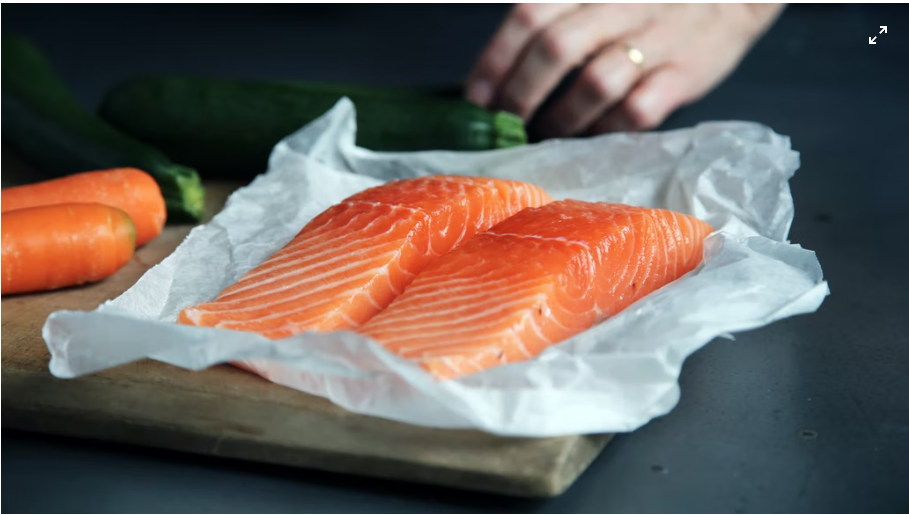
Before you opt for supplementation, consider adding some Omega-3-rich foods into your diet. These include fatty fish like salmon, tuna, herring, and sardines, and various nuts and seeds (especially walnuts and flax).
The most common natural essential fatty acid supplement is fish oil in liquid or capsules. Vegetarian alternatives are usually based on seaweeds.
Check your product label to ensure it contains EPA and DHA – the two kinds of Omega-3 fatty acids that are most important for the nervous system.

2. Zinc
Zinc is one of the most common dietary supplements for ADHD. In fact, it’s often taken alongside prescription medicine – especially stimulants like Adderall and Ritalin. One study found that zinc supplements improved the efficiency of amphetamine-based treatment by 37% (5).
However, zinc is a promising ADHD treatment in its own right too. It was found particularly effective in older children and young adults with a higher BMI score (6).
Zinc plays a few critical roles in maintaining brain function.
Most notably, it’s an essential component of melatonin – the hormone of sleep that also regulates dopamine. Zinc supplements can help the nervous system and control the behaviors of hormones that are crucial in alleviating ADHD symptoms (7).
Taken on its own, zinc typically helps reduce hyperactivity and impulsivity. However, it was found less effective at improving attention (6).
Before taking supplements, consider upping your zinc intake through your diet. Zinc-rich foods include oysters, red meat, dairy products, beans, and whole grains.
Nootropic Herbs and Natural ADHD Supplements
If you research brain health, you’ll come across the term “nootropic” sooner or later. These are known as “smart drugs” or “cognition enhancers”.
These names refer to a wide variety of synthesized and natural compounds with the power to boost brain function, focus, and memory.
The group is quite diverse.
From caffeine to ginkgo biloba, nootropics have one common trait –they improve cognitive function. In addition, they help the nerve system regenerate, making them a beneficial addition to any diet plan.
It’s no surprise, then, that nootropic herbs are among the most popular natural supplements for ADHD, both among parents and in the medical community (8).
-
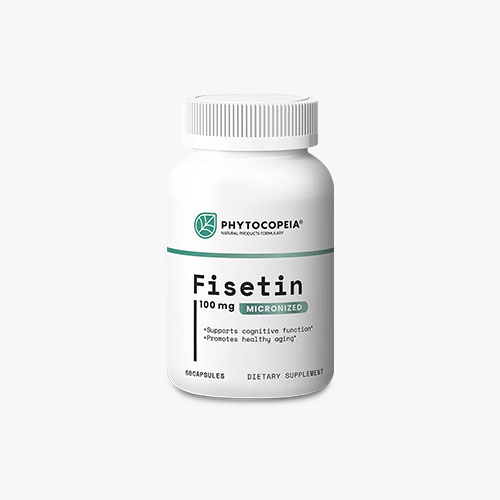
Fisetin
Promotes longevity, healthy aging, and provides cognitive support for long-term health. Smaller particle size which helps to improve its bioavailability by increasing surface area absorption thus optimizing its full health effects.
$39.99
The zinc and fatty acids we mentioned above and the often-prescribed Adderall and Ritalin are also considered nootropic drugs. However, here, we’ll only focus on herb-derived compounds readily available in their pure forms.
3. Ginkgo Biloba and Ginseng
Ginkgo is among the most common herbal medicines that can relieve ADHD symptoms.
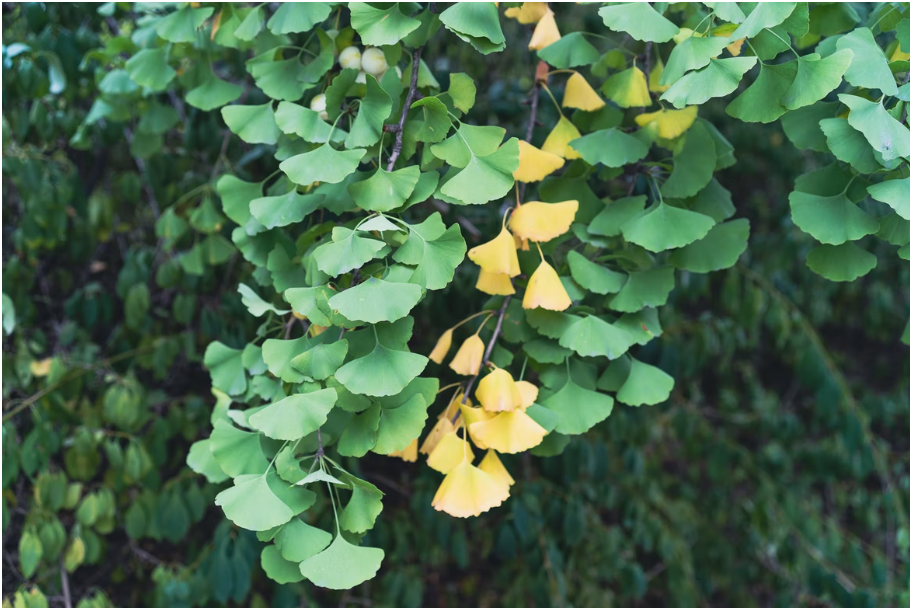
The ginkgo tree has a long history of medical use – and nearly all parts of it aid human health. The extract named ginkgo biloba is derived from the leaves and the seeds of the ginkgo tree.
Ginkgo biloba is famous for its ability to enhance brain functions. Ginkgo was a well-known natural remedy in East Asian medicine for centuries.
In ancient China, healers prescribed ginkgo leaves for their benefit on heart and lung health, and the seeds for their memory-enhancing properties. In the 20th century, ginkgo became famous worldwide for its power to aid memory and cognitive function.
On the other hand, we have a low-rising plant called Panax ginseng. Ginseng roots are used along with ginkgo for maximum cognitive benefits, but even on its own, ginseng has powerful health benefits.
Both ginkgo and ginseng have widespread use, but they come with different active compounds:
- Ginkgo is packed with flavonoids and terpenoids,
- Ginsenosides and panaxans can be found in ginseng.
The medical community lacks extensive research on ginkgo biloba and ginseng as a treatment for ADHD, but the few serious publications on the matter show promising results.
In particular, ginkgo biloba seems to improve attention (9, 10), but has little effect on impulsivity and hyperactivity.
A 2010 study determined that ginkgo can be a milder alternative to methylphenidate (Ritalin). While methylphenidate does have more potent effects in treating ADHD, ginkgo comes with fewer side effects (11).
On the other hand, ginseng is mildly effective at boosting attention (12), so it’s not particularly good on its own.
However, the combination of ginkgo biloba and ginseng is a promising new treatment for ADHD symptoms (13).

4. Bacopa Monnieri (Water Hyssop, Brahmi)
This plant takes its roots in India – and it’s been an essential part of Ayurvedic medicine for over 3000 years. Bacopa has the power to help the cells handle stress, and improve the ability to learn and focus.
While ancient Indian spiritualists put high hopes in water hyssop (believing it’d make them live 500 years), today’s medicine is putting a lot of effort into researching the science-backed benefits of this plant.
It seems like a promising treatment for attention deficit and memory problems.
It’s particularly effective at reducing restlessness and impulsivity.
One study helped 89% of participants improve self-control, and another 85% saw significant attention improvement (14).
5. L-theanine
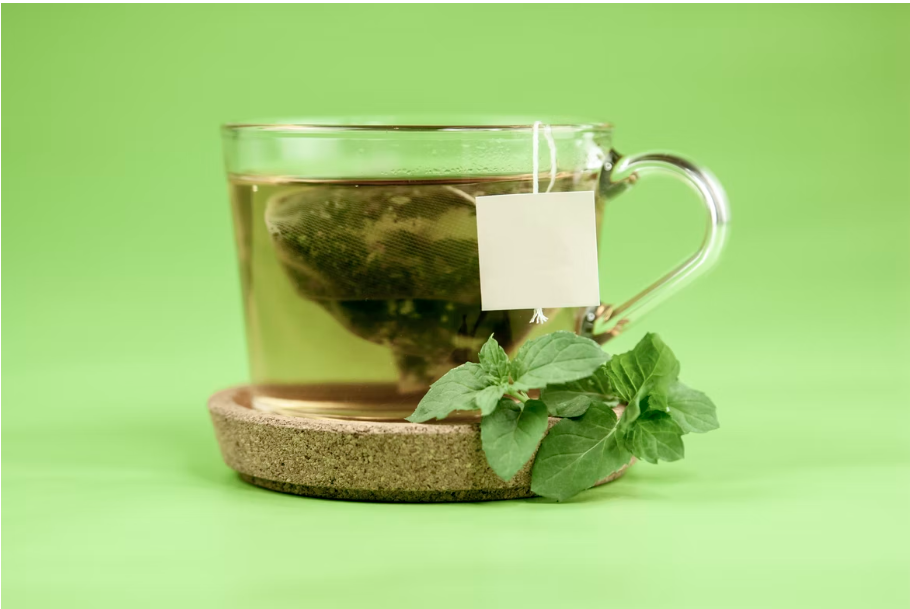
You probably heard about the incredible health benefits of green tea. Along with caffeine, one of the brain-enhancing components of green tea is L-theanine – a vital amino acid.
Luckily, that doesn’t mean you should start giving this caffeinated drink to help your child deal with ADHD.
It’s best to steer clear of caffeinated beverages, including green tea, especially if you experience anxiety. Instead, you can find quality L-theanine supplements or consume L-theanine-rich mushrooms (consider adding porcini to your diet).
L-theanine has a role in regulating many cognitive functions. It helps improve sleep quality (15), reduces stress, and boosts cognition. Unlike nervine herbs like chamomile, L-theanine has the power to relax the brain without causing drowsiness (16) – which makes it a popular choice for regulating hyperactivity symptoms.
It’s a widely used natural supplement that has the power to help with anxiety, bipolar disorder, depression, OCD, and ADHD (17).
In general, it’s a good supplement for anybody who deals with a lot of stress (18), sleep issues, or focus and memory problems (19).
A Penny for Your Thoughts, a Supplement for Your Attention
Dealing with ADHD can be challenging, whether you’re a caretaker or you’re experiencing it yourself. It can make everyday tasks excruciatingly time and energy-consuming.
Luckily, plenty of natural supplements can help you or your child manage ADHD symptoms and stay focused on any task at hand.
References:
- https://www.tandfonline.com/doi/full/10.1586/ern.09.7
- https://jamanetwork.com/journals/jama/fullarticle/182061
- https://pubmed.ncbi.nlm.nih.gov/15867048/
- https://www.ncbi.nlm.nih.gov/pmc/articles/PMC3625948/
- https://www.ncbi.nlm.nih.gov/pmc/articles/PMC3037197/
- https://www.sciencedirect.com/science/article/abs/pii/S0278584603002471?via%3Dihub
- https://pubmed.ncbi.nlm.nih.gov/20034331/
- https://www.liebertpub.com/doi/10.1089/act.2018.29168.eya
- https://pubmed.ncbi.nlm.nih.gov/25163996/
- https://www.reliasmedia.com/articles/53136-ginkgo-biloba-for-attention-and-memory-disorders
- https://www.sciencedirect.com/science/article/abs/pii/S0278584609003261
- https://pubmed.ncbi.nlm.nih.gov/23717065/
- https://pubmed.ncbi.nlm.nih.gov/11394191/
- https://pubmed.ncbi.nlm.nih.gov/24682000/
- https://pubmed.ncbi.nlm.nih.gov/22214254/
- https://pubmed.ncbi.nlm.nih.gov/18296328/
- https://pubmed.ncbi.nlm.nih.gov/23883567/
- https://pubmed.ncbi.nlm.nih.gov/31758301/
- https://www.ncbi.nlm.nih.gov/pmc/articles/PMC8080935/