
5 Botanicals that Improve Skin Health
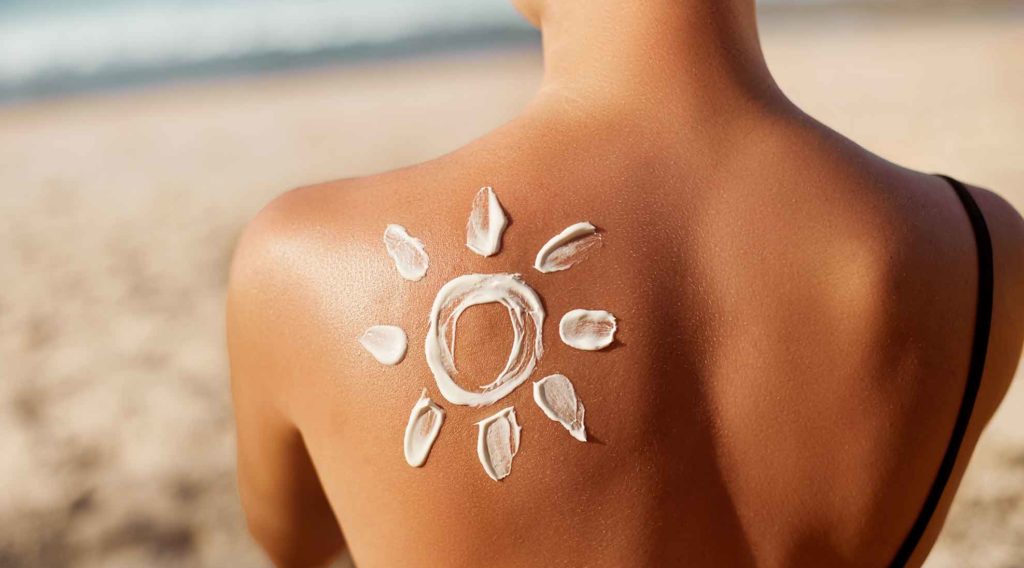
“It’s not just what substances you put on your skin. Inappropriate inflammation is rooted in diet, how you handle stress, how you rest, and your exposure to environmental toxins.”- Andrew Weil.
Common skin problems include acne, premature aging, pigmentation, scaly skin, shading, swelling, and cracking. Frequently, many skin problems are more than just what we put on our skin (or what it is exposed to), but also what we eat.
Today, we’ll go through the top 5 botanicals that improve skin health and nourish your biggest organ inside-out. Include these into your diet and watch how your skin becomes brighter, more elastic, more hydrated, and overall younger and healthier-looking.
What are the causes of skin problems?
The most common cause of skin problems is an unhealthy lifestyle. Other factors include weather conditions, allergies, or simply environmental exposure to toxins – airborne or from water.
Common symptoms of skin problems often include rashes, itching, skin peeling, dryness, and discoloration.
The Best 5 Botanicals that Improve Skin Condition
Botanical and natural extracts continue to play an essential part in modern cosmetics. The use of natural products, such as those found in botanical-based supplements, remains relevant and can be highly effective.
Here are 5 of the best botanicals that skincare science approves.
1. Aloe Vera
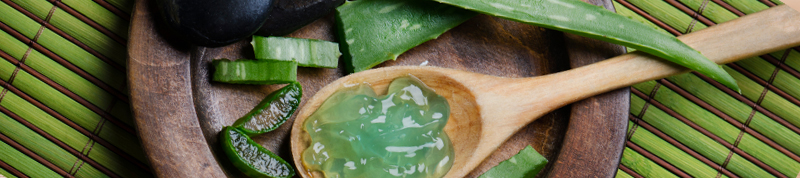
Aloe, and especially aloe vera, is a pharmacologically active plant that grows in dry regions. It is often associated with improving dry skin because it contains various moisturizing compounds. In addition, aloe includes 75 active ingredients such as vitamins, sugars, enzymes, minerals, etc. [1].
Aloin and aloesin
Aloin and aloesin are critical secondary metabolites of aloe vera [4]. The skin healing properties of aloe are known far and wide. It protects the skin against radiation; an antioxidant (metallothionein) is produced when applied to the skin. It is antiaging because of mucopolysaccharides present and is also effective against acne [3].
2. Turmeric
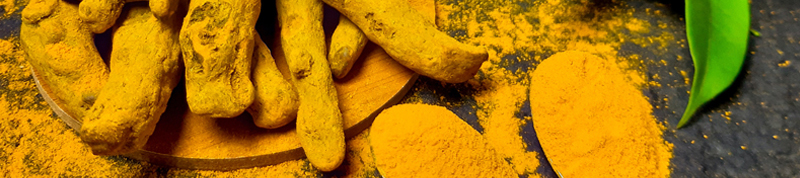
Tumeric is also known as ‘Haridra’ or ‘Haldi.’ The inhabitants of the Indian subcontinent have used Turmeric for centuries. It has no known harmful effects and is essential as a food ingredient and as a treatment for a wide range of diseases. Turmeric acts as a food for the skin [5].
Curcumin
Curcumin is the major bioactive component of Turmeric [6]. It cleanses and nourishes the blood, resulting in beautiful, healthy skin. Curcumin is beneficial for skin problems such as acne and premature aging because of its antibacterial and antiseptic characteristics. Curcumin is the primary ingredient of many cosmetic and sunscreen formulations [5].
CurcumaPRO is a product by Phytocopeia having micronized curcumin (600 mg) and gingerols and shogaols. It is an effective product with antioxidant and antiaging properties.
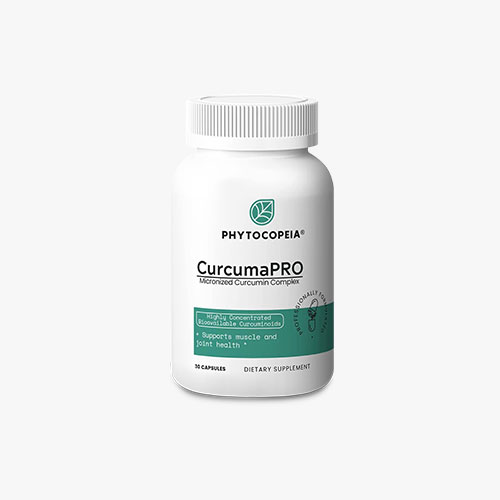
CurcumaPRO
Superior micronization technology allows for maximum absorption and protection against inflammation.
Also has a derivative of curcumin called Bisdemethoxycurcumin that possesses several biological activities.
3. Rosemary
Rosemary is a scented plant that possesses needle-like leaves grown worldwide. This aromatic plant includes therapeutic effects and is used in folk medicine to treat renal colic, dysmenorrhea, and muscle spasms [7].
Rosmanol
The significant active antioxidant present in rosemary is rosmanol [8]. Rosemary possesses therapeutic effects and is used in folk medicine to treat renal colic, dysmenorrhea, and muscle spasms.
It has antifungal, antiviral, antibacterial, anti-inflammatory, anticancer, antithrombotic, antinociceptive, antidepressant, antiulcerogenic, and antioxidant properties [7].
4. Ginseng
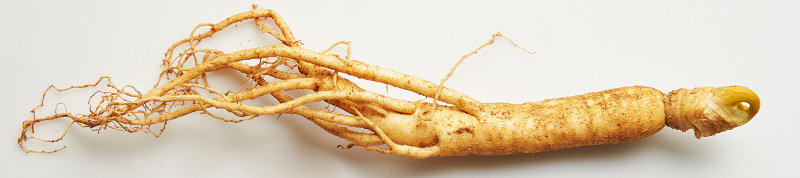
Ginseng is a well-known brain-enhancing supplement for ADHD, anxiety, and brain fog. But in addition to these wonderful benefits, ginseng is also a popular ingredient in cosmetics with a major active component called ginsenoside [9].
Ginseng oil
Ginseng oil protects skin against ultra-violet radiation [10]. It possesses antiaging and whitening effects on the skin. Ginseng extract improves skin elasticity and water content via regulating matrix metalloproteinases in human fibroblast type I collagen [9].
5. Indian gooseberry
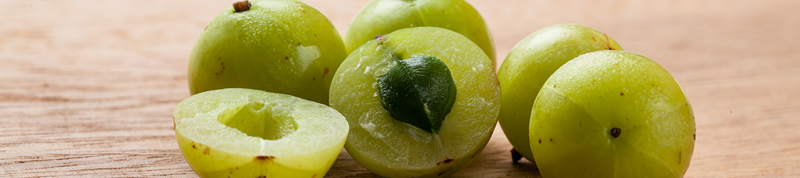
Indian gooseberry is also known as Amla. The dark brown powder of amla branch extract comprises a range of phenolic acids, such as sinapic and ferulic acids. Amla promotes antioxidant activity and protects cells from free radical damage [11].
Ascorbic acid (Vitamin C)
Amla is enriched with vitamin C, known as ascorbic acid. Amla is known to treat common skin diseases, respiratory infections, and rapid wrinkling. It also has therapeutic potential against diabetes [13].
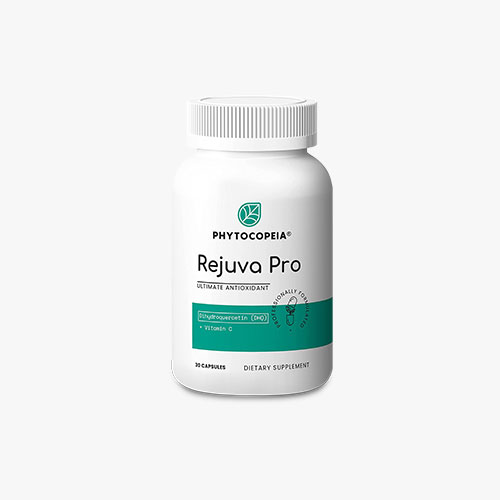
RejuvaPro is a product by Phytocopeia having quercetin (Flavonoid) and vitamin C. It is an effective product to fight against reactive oxidative species and free radicals responsible for early aging and cancer cell production.
Wrap up
All conditions that irritate, clog, or harm your skin are considered skin diseases. Medications, good skincare, and lifestyle modifications can often help manage these symptoms.
On the other hand, treatment can help lessen symptoms and perhaps keep them away for months. Many skin disorders never totally go away.
Incorporating botanicals into skincare products is becoming increasingly trendy. Potential antioxidant and anti-inflammatory properties could treat dermatological problems, including acne, premature aging, and skin cancer. Botanicals may have the potential to help reduce inflammation.
Dermatologists should be aware of these products and be prepared to talk to their patients about their uses and potential advantages.
References:
- Liang, J., Cui, L., Li, J., Guan, S., Zhang, K., & Li, J. (2021). Aloe vera: a medicinal plant used in skin wound healing. Tissue Engineering Part B: Reviews, 27(5), 455-474.
- Angerhofer, C. K., Maes, D., & Giacomoni, P. U. (2009). The use of natural compounds and botanicals in the development of anti-aging skin care products. In Skin aging handbook (pp. 205-263). William Andrew Publishing.
- Surjushe, A., Vasani, R., & Saple, D. G. (2008). Aloe vera: a short review. Indian journal of dermatology, 53(4), 163.
- Acurero, Á. M. (2008). Aloesin, aloin and aloe-emodin production in Aloe vera L. calli. Ciencia, 16(4).
- Rathaur, P., Raja, W., Ramteke, P. W., & John, S. A. (2012). Turmeric: The golden spice of life. International Journal of pharmaceutical sciences and research, 3(7), 1987.
- Anderson, A. M., Mitchell, M. S., & Mohan, R. S. (2000). Isolation of curcumin from turmeric. Journal of chemical education, 77(3), 359.
- de Macedo, L. M., Santos, É. M. D., Militão, L., Tundisi, L. L., Ataide, J. A., Souto, E. B., & Mazzola, P. G. (2020). Rosemary (Rosmarinus officinalis L., syn Salvia rosmarinus Spenn.) and its topical applications: a review. Plants, 9(5), 651.
- Nakatani, N., & Inatani, R. (1981). Structure of rosmanol, a new antioxidant from rosemary (Rosmarinus officinalis L.). Agricultural and Biological Chemistry, 45(10), 2385-2386.
- Meng, H., Liu, X. K., Li, J. R., Bao, T. Y., & Yi, F. (2022). Bibliometric analysis of the effects of ginseng on skin. Journal of Cosmetic Dermatology, 21(1), 99-107.
- Truong, V. L., Keum, Y. S., & Jeong, W. S. (2021). Red ginseng oil promotes hair growth and protects skin against UVC radiation. Journal of Ginseng Research, 45(4), 498-509.
- Yadav, V., Duvey, B., Sharma, S., & Devi, B. (2014). Amla (emblica officinalis)–medicinal food and pharmacological activity. Int. J. Pharm. Chem. Sci, 3(3), 616-619.