
The 7 Best Supplements You Can Take To Lower A1c Levels

Measuring your blood sugar or A1c levels through the HbA1c or A1c test is critical in making sure you’re not at risk for cardiovascular disease.
Why is measuring A1c levels important for cardiovascular health?
Blood sugar management is one of the most important factors regarding longevity, especially when it comes to our heart.
While it’s normal to have blood sugar in circulation, the problem arises when the body experiences difficulty scavenging excess blood sugar from the bloodstream. This can be for a variety of reasons, but one of the most common ones is a malfunctioning pancreas.
The pancreas is in charge of producing a hormone called insulin. Insulin is what the body uses to pull blood sugar from the circulation and funnel them to cells for energy.
When your pancreas isn’t working properly, this can lead to poor insulin secretion or it can also result in the body having a hard time “recognizing” the presence of insulin. Whichever the case, the effect would be high blood sugar levels.
How does having high A1c levels harm the body?
We can dedicate an entire blog for each type of condition excessive blood sugar can cause, but to save time we’ll just make do with some of the more common conditions caused by high blood sugar levels.
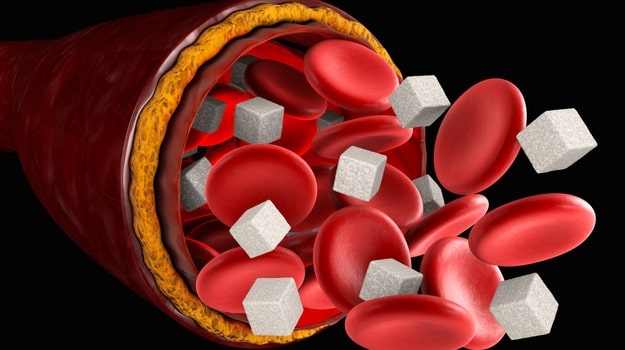
High A1c levels can cause:
Diabetic ketoacidosis
Diabetic ketoacidosis is when the body is unable to metabolize blood sugar for energy, so it burns fat instead. This leads to excessive amounts of byproducts called ketones. This is not to be confused with ketosis, which is a process used by the body in times of famine or when a person has an ultra-low carb, high fat diet like the ketogenic diet.
When you have excess ketones, you will experience excessive thirst, excessive urination, and fatigue. Your breath will also have a fruit scent to it and it’s because of acetone, a byproduct of ketoacidosis.
Diabetic ketoacidosis is a potentially FATAL condition. People severely afflicted with it can go into a coma or end up dying on the spot. The body is just not meant to have both high blood sugar levels and high ketone levels at the same time.
Diabetic neuropathy
Diabetic neuropathy sat when excessive blood sugar levels affect the skin.
Excess blood sugar tends to force the body to pull water from other sources in an attempt to flush it out. This explains why people with untreated type 2 diabetes tend to feel thirsty or experience frequent urination.
In the case of the skin, it causes dryness, which leads to cracked or itchy skin. In time, this can also lead to nerve damage, which makes it challenging for you to feel bruises, cuts, wounds, or even infections. This is why those with neuropathy tend to have wounds all over their legs or feet, as they don’t really feel the scrapes.
Since excessive blood sugar also causes arterial stiffening and blood vessel narrowing, blood flow is inefficient. When blood flow is inefficient, wound healing is negatively affected as it’s the only way the body can send oxygen and cells needed to repair damage.
Combining both diabetic neuropathy and inefficient (or even inability) to heal simple wounds, a scratch can lead to gangrene, which then leads to amputation or death. All this because you couldn’t manage high blood sugar levels.

Vision problems
High blood sugar levels can pull fluid from our eyes, which makes it difficult for them to focus.
Excessive blood sugar also increases blood pressure (due to excess water fluids in an attempt to flush the sugar out). This can then lead to damaged blood vessels on the back part of our eyes called the retina. This weakens our ability to see and can even cause blindness.
Kidney Damage
High A1c levels can also hinder our kidneys’ ability to filter waste products from blood circulation. When left untreated, it can lead to what we call diabetic nephropathy or the gradual deterioration of kidney function.
Other noteworthy effects of high A1c levels include:
- Hypertension
- Arterial stiffness or atherosclerosis
- Strokes
- Intermittent claudication or pain in hands or feet when pressure is exerted. This is because of lack of bloodflow
- Reproductive problems such as eclampsia and preeclampsia due to gestational diabetes
Lower A1c levels naturally with these 7 supplements
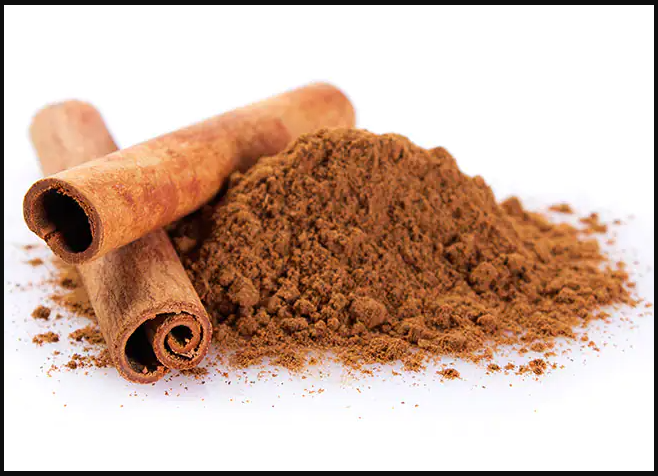
1. Cinnamon
Cinnamon is an excellent supplement when it comes to lowering the A1c level in your body.
It especially benefits the people wth prediabetes, meaning the people who have 100-125 mg/dl fasting blood sugar. Taking 250 mg of cinnamon extract before every meal for three months can greatly help in blood sugar management.

2. American Ginseng
Another very effective supplement that can improve your blood sugar levels is American Ginseng. This supplement works wonders when it comes to people with type 2 diabetes.
Taking 1 gram of American Ginseng 40 minutes before breakfast, lunch, and dinner for two months can help regulate the blood sugar level in your body.

3. Probiotics
Taking antibiotics can damage your gut bacteria, leaving you vulnerable to several diseases including diabetes.
Probiotic supplements that come with beneficial bacteria or other microbes can offer several health benefits including blood sugar level regulation and lowering A1c levels in the body.
Several studies have concluded that people taking probiotics with more than 1 species of bacteria have lower fasting blood sugar levels.
A good example of the combination is L.acidophilus, B.bifidu, and L.rhamnosus. So, look for the supplement that comes with this combination of bacteria.

4. Aloe Vera
Coming to the next supplement that works well to regulate the blood sugar level is Aloe Vera.
As per the scientists and the results of several experiments, it has been determined that people who have fasting blood sugar above 200 mg/dl can benefit a lot from Aloe Vera. You can take 1000 mg daily in form of capsules or 2 tablespoons of aloe vera juice in a split dosage.

5. Vitamin D
Vitamin D deficiency is considered a potential risk for type 2 diabetes.
Several studies have shown that 72% of participants with type 2 diabetes were vitamin D deficient. However, taking a 4500-IU supplement of vitamin D daily can significantly help lower the A1c levels in the body.

6. Resveratrol for A1c Levels
Resveratrol is sourced primarily from grapes and explains why red wine is abundant with this powerful antioxidant.
Studies have shown that resveratrol has significant cardiovascular health benefits including blood pressure management and improvements in blood sugar levels.
Specifically, resveratrol has been cited to help boost insulin sensitivity, or the ability to detect and scavenge sugar.
A 2014 study suggests resveratrol is ideal for type 2 diabetes management because of how it helps the body in modulating blood sugar levels, reduces insulin resistance, and supports healthier blood lipid profiles.
Another study in 2017 proves how resveratrol can improve fasting blood glucose levels together with insulin sensitivity.
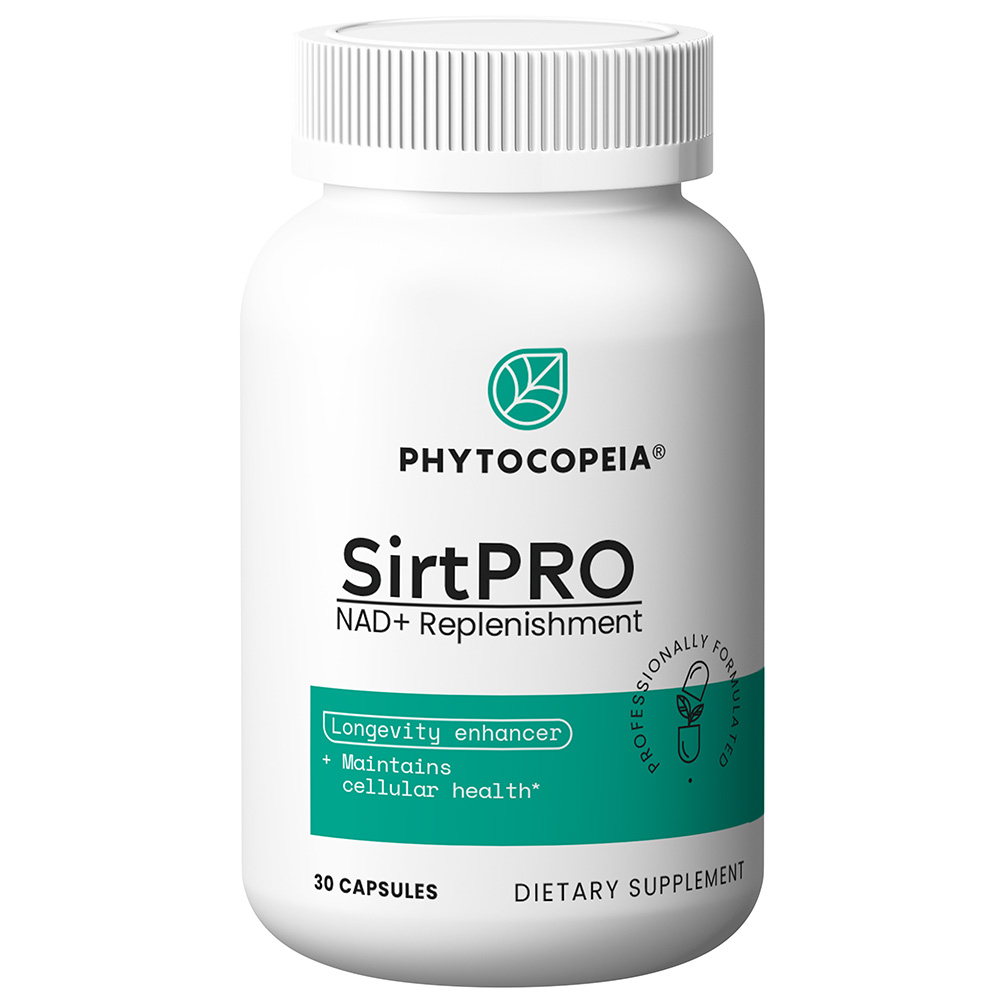
SirtPRO
Promotes longevity, healthy aging, and supports muscle composition.
The DNA-protective properties of NAD+ may help lower the risks of cancer cell growth.
Boosting your NAD+ levels may positively affect muscle function, strength and endurance as you age.

7. Epicatechins for A1c Levels
Epicatechins are phytochemical compounds, which many scientists say are one of the primary reasons why eating vegetables and fruits is healthy.
Countless studies show that epicatechin consumption (through cacao, apples, and tea) showed improved cardiovascular health. One reason was how epicatechins improved insulin sensitivity.
Better insulin sensitivity leads to more efficient blood sugar management, which then results in lower A1c levels.
Check out Phytocopeia Epicatechin
Bottom Line
These are some of the natural supplements you can take to lower A1c levels in your body. They are all effective, backed by countless studies, and have little to no side effects. If you are looking for natural supplements to lower A1C levels in blood, we have a dedicated natural supplements line to meet all of your health and wellness needs.
References:
- Zhu X, Wu C, Qiu S, Yuan X, Li L. Effects of resveratrol on glucose control and insulin sensitivity in subjects with type 2 diabetes: systematic review and meta-analysis. Nutr Metab (Lond). 2017;14:60. Published 2017 Sep 22. doi:10.1186/s12986-017-0217-z
- Nanjan MJ, Betz J. Resveratrol for the Management of Diabetes and its Downstream Pathologies. Eur Endocrinol. 2014;10(1):31-35. doi:10.17925/EE.2014.10.01.31
- Cremonini E, Bettaieb A, Haj FG, Fraga CG, Oteiza PI. (-)-Epicatechin improves insulin sensitivity in high fat diet-fed mice. Arch Biochem Biophys. 2016;599:13-21. doi:10.1016/j.abb.2016.03.006