
The Best Natural Supplement for Anxiety – 6 Supplements that Work

With everything that’s been going on – many people deal with anxiety.
You could be dealing with occasional moments of unexplainable dread, repetitive panic attacks, insomnia, or the consequences of built-up stress. Luckily, there are plenty of natural ingredients with the power to soothe the mind out there.
The calming effects of these nutrients come from all-natural sources, and most of them come with extra health benefits too.
Combined with good nutrition, light exercise, and meditation, a natural supplement for anxiety can help you live a life free of fear.
Read on to learn about some of the most effective natural supplements for anxiety.
The Best Natural Supplement for Anxiety

Vitamin D
Have you ever heard about winter depression? People who live in regions that don’t get a lot of sunlight can suffer mental health issues during the period with little to no sunshine. It’s likely caused by the lack of vitamin D (1).
However, people in the north of Norway are not the only ones affected by a lack of vitamin D. In fact, it’s estimated that almost 50% of the world population does. In the US, around 40% of the people have insufficient vitamin D, while 6% have a worrisome level of deficiency.
Vitamin D makes your bones and teeth strong, and it’s an important part of brain health, including mood regulation. It’s hard to increase your vitamin D levels through the diet, but it can be helped with more exposure to sunlight.
If you often feel fatigued, anxious, or depressed, or if you can’t get yourself to go to sleep – try vitamin D supplements.
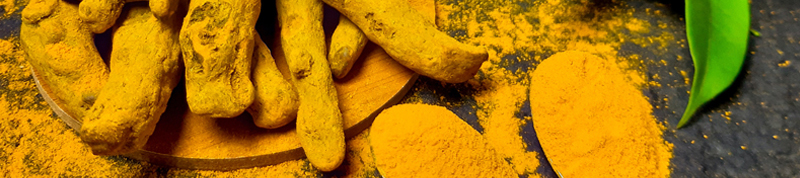
Curcumin
Curcumin is a natural supplement that’s commonly used to battle inflammation and joint pain.
Athletes use it to speed up muscle recovery and reduce soreness after exercise, and people who suffer from arthritis take it to ease the pain. Some even take it to help regulate stomach acid or maintain heart health. But these are not the only benefits of this healthful substance (2).
Anxiety and depression relief (3) is a lesser-known, yet very powerful effect of curcumin.
Curcumin boosts the activity of DHA (4), an omega 3 fatty acid that’s necessary for healthy cognitive functions.
A consistent deficiency in DHA leads to many cognitive issues like the inability to focus, depression, anxiety, and even Alzheimer’s disease (5) and psychosis. Eat fish like salmon and tuna to increase the amount of DHA you get through your diet.
Eating turmeric itself won’t bring you the powerful health benefits of curcumin – it’s so quickly metabolized that the body can’t absorb a lot of the substance.
-
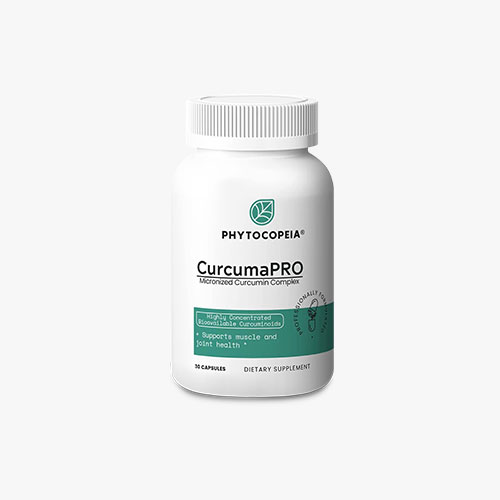
CurcumaPRO
Superior micronization technology allows for maximum absorption and protection against inflammation. Also has a derivative of curcumin called Bisdemethoxycurcumin that possesses several biological activities.
$29.99
That’s why we recommend CurcumaPRO – a natural curcumin supplement with improved bioavailability for maximum health benefits.

Omega-3 Fatty Acids
Our previous pick, curcumin, is a great pick if you consume enough omega-3 fatty acids through your diet. However, many people don’t – especially if they don’t eat fish and eggs. If you’re in that group, get yourself a box of natural omega-3 supplements to ease your battle with anxiety.
This group of fatty acids is an integral part of brain membranes, so they’re essential for normal brain functioning (6).
The most notable omega-3 fatty acids that affect brain health are the above-mentioned DHA (docosahexaenoic acid) and EPA (eicosapentaenoic acid). The lack of omega-3 can lead to various mental issues, including anxious behaviors (7).
Most omega-3 fatty acids are created using fish oil. So, along with taking supplements, you could give your body an Omega-3 boost by consuming more eggs, and fatty fish like herring, salmon, anchovies, and tuna.
Walnuts, flaxseeds, and soybeans are good vegan-friendly alternatives.
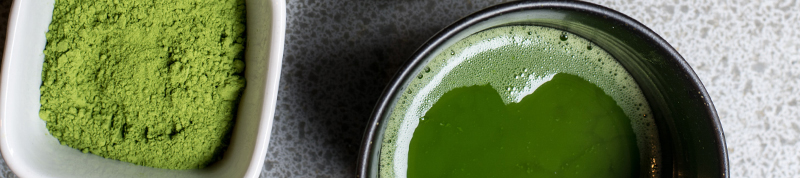
L-theanine
L-theanine is an amino acid that’s one of the main reasons green tea is considered so healthful. It also exists in some mushrooms.
This amino acid is one of the natural supplements often used to reduce the symptoms of anxiety and depression (8). It also helps improve the quality of sleep and improves brain function – it can even help you express yourself better through speech.
It’s a good supplement that will help anyone deal with stress better (9) – do consider taking L-theanine to improve mental function, even if you never experienced an anxiety attack.
Alternatively, you could introduce green tea to your regular diet – it’s a fantastic high-caffeine replacement for coffee too!
However, if you’re already dealing with anxiety, it might be best if you steer clear of caffeine and take L-theanine as an isolated supplement.
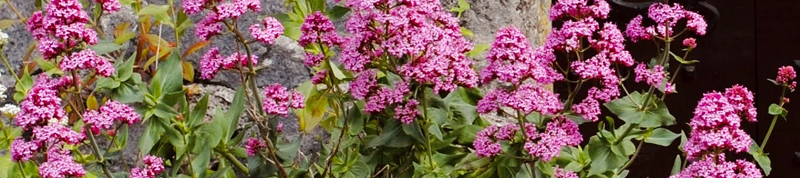
Valerian
If anxiety keeps you awake at night, valerian might be the natural supplement you need for a good night’s sleep.
Valerian is a wild herb that grows in Europe and Asia. Supplements extracted from its root became a popular sedative in the 17th century – even Anne Frank mentioned in her diary that she takes Valerian pills to fall asleep.
The plant extract is often used to help insomnia, ease anxiety (10), and even reduce stomach cramps.
While scientific proof for its effect on anxiety is still lacking, valerian gained its wide use by word of mouth and self-reported efficiency in helping non-medical anxiety. However, it’s very important to find a high-quality extract.

Chamomile
This daisy-like plant has been a part of herbal medicine across the world for centuries. You can find it in many forms, the most popular being teas, extracts, and supplements in the form of tablets.
Chamomile works on soothing your body and soul – it reduces inflammation and hay fever, helps muscle spasms and cramps, it reduces insomnia and anxiety, lowers blood sugar, and helps people deal with wounds, stomach issues, rheumatism, and hemorrhoids.
A 2016 study confirmed that long-term use of chamomile helps reduce the symptoms of a generalized anxiety disorder (11).
However, it doesn’t prevent future symptoms of GAD from occurring. So chamomile is a good supplement/tea to take in addition to your regular prescription.
Bonus – Natural Supplement for Anxiety that DOESN’T Work
Do you sometimes just have a bad gut feeling? Many people suffer from anxiety, so it’s just natural that there’s a lot of misinformation circulating too. Here are common supplements that people take for anxiety, but their effectiveness is iffy at best:
- Passionflower – There’s simply not enough evidence that supports its effectiveness. In addition, this supplement can make you feel drowsy.
- Kava – While NCCIH does recognize it as an effective natural supplement for anxiety, kava is known to cause severe liver issues so it’s not recommended.
Stay Calm with a Little Help from Nature
With the advances in technology and business, our world is becoming more and more stressful.
Anxiety is a natural response to that stress that’s sadly becoming very widespread. In addition, sometimes chemical imbalances in our bodies cause anxiety, leaving people in long-term battles with their own heads.
Natural supplements are an amazing way to fight anxiousness, whether it’s a medical diagnosis or an acute symptom caused by stress.
Supplements aren’t as effective as prescription medicine – but they’re sure there to help soothe your pain for a while.
References:
- Sarkar, Sonali. (2017). Vitamin D for Depression with a Seasonal Pattern: an Effective Treatment Strategy. International Physical Medicine & Rehabilitation Journal.
- Hewlings SJ, Kalman DS. Curcumin: A Review of Its Effects on Human Health. Foods. 2017;6(10):92. Published 2017
-
Sanmukhani J, Satodia V, Trivedi J, Patel T, Tiwari D, Panchal B, Goel A, Tripathi CB. Efficacy and safety of curcumin in major depressive disorder: a randomized controlled trial. Phytother Res. 2014
-
Wu A, Noble EE, Tyagi E, Ying Z, Zhuang Y, Gomez-Pinilla F. Curcumin boosts DHA in the brain: Implications for the prevention of anxiety disorders. Biochim Biophys Acta. 2015
-
Astarita G, Jung KM, Berchtold NC, Nguyen VQ, Gillen DL, Head E, Cotman CW, Piomelli D. Deficient liver biosynthesis of docosahexaenoic acid correlates with cognitive impairment in Alzheimer’s disease. PLoS One. 2010
-
Muldoon MF, Ryan CM, Yao JK, Conklin SM, Manuck SB. Long-chain omega-3 fatty acids and optimization of cognitive performance. Mil Med. 2014
-
Sinclair AJ, Begg D, Mathai M, Weisinger RS. Omega 3 fatty acids and the brain: review of studies in depression. Asia Pac J Clin Nutr. 2007
- Hidese S, Ogawa S, Ota M, et al. Effects of L-Theanine Administration on Stress-Related Symptoms and Cognitive Functions in Healthy Adults: A Randomized Controlled Trial. Nutrients. 2019
-
Williams JL, Everett JM, D’Cunha NM, Sergi D. The Effects of Green Tea Amino Acid L-Theanine Consumption on the Ability to Manage Stress and Anxiety Levels: a Systematic Review. Plant Foods Hum Nutr. 2020
-
Shinjyo N, Waddell G, Green J. Valerian Root in Treating Sleep Problems and Associated Disorders-A Systematic Review and Meta-Analysis. J Evid Based Integr Med. 2020
-
Mao JJ, Xie SX, Keefe JR, Soeller I, Li QS, Amsterdam JD. Long-term chamomile (Matricaria chamomilla L.) treatment for generalized anxiety disorder: A randomized clinical trial. Phytomedicine. 2016