
Scalp Health: How to Stimulate Hair Growth Naturally
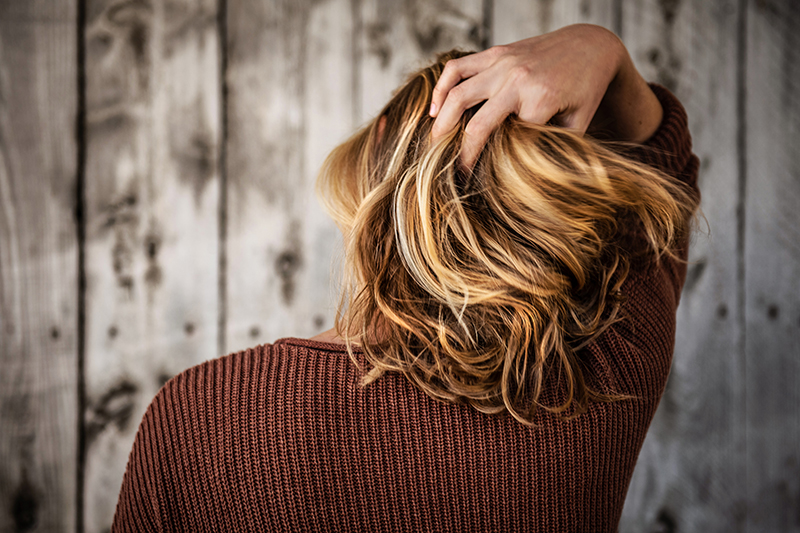
Hair and scalp problems come in many forms and affect everyone differently. It’s a problem that many simply shrug off, but it may get worse and lead to hair falling out. If you’re currently dealing with hair loss or alopecia, you might be looking for natural ways to stimulate hair growth.
Today, we’ll take a look at the most common haircare mistakes that lead to hair loss, and tell you about some natural products and solutions that can help grow your hair back quicker!
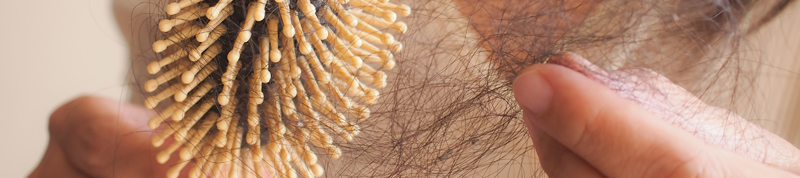
How do I know if I’m losing too much hair?
Shedding hair is normal to a certain extent. In fact, it’s estimated that we shed around 100 hairs every day.
That can seem like a lot when you pick it up in your hands. But in fact, it’s a completely natural part of our body’s renewal cycles. Just like your skin cells, your hair also naturally falls off and gets replaced by new, young hairs.
Keep in mind that people lose more hair when stressed, grieving, or dealing with burnout, anxiety, or depression. This is okay – and it will get better as soon as you recover and relax.
However, hair loss problems arise when you’re dealing with chronic fatigue and stress, or health issues like alopecia, seborrhea (excessive dandruff and scaling of the scalp), nutritional deficiencies, and others. If you see a noticeable change in your hair thickness or health, it might be time to see a medical professional or to re-assess your hair and scalp health habits.
Common Causes of Scalp and Hair Damage
Sometimes, hair loss issues are a result of family history or a symptom of a disease – we won’t discuss those cases today.
But many people suffer from hair problems, even if they inherited good quality hair. Today, scalp and hair are widespread due to stressful lifestyles, exposure to pollution [1], and excessive hair treatment cosmetics.
Common scalp and hair problems include dandruff, hair loss, dry hair, split ends, oily hair, and excessively frizzy hair. The intensity of these problems varies from person to person, but in many cases, they are repairable and can be treated.
Stress can cause moderate to severe hair damage, so you may suddenly start to lose more hair when the going gets tough. If you’re currently grieving or going through a hard time, try not to worry about increased hair loss – it’ll get better as soon as you feel better too.
The 5 Essential Habits that Reduce Hair Damage and Loss
Sudden and severe hair damage can be scary [2].
Now that we know what causes hair damage, improving and stimulating hair growth becomes more manageable.
1. Go Easy on Hair Color or Dyes
Almost everyone who dyed their hair knows they need to be extra gentle with freshly dyed hair. It’s important to condition it thoroughly because it causes hair to become brittle and break. Overuse weakens the hair follicle, which results in damaged hair growth [3].
2. Trim Regularly
Getting regular trims is essential if the hair is damaged or has many split ends.
Because hair gets damaged along its length, it’s easier for it to break around damaged parts. In a way, damaged hair makes itself shorter. Trimming those wispy, split, dead ends off leads to less breakage and, ultimately, longer hair [4].
3. Avoid Heat Styling
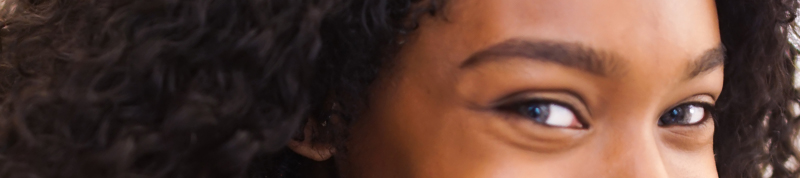
Embrace those natural curls!
Heat styling speeds up breakage, drying, and hair damage. Hairdryers, iron, straighteners, and other heating tools can damage hair, resulting in hair loss and breakage [5].
Constantly styling our hair with heat dries it out, making it harder for hair to grow. You can either let hair dry on its own or turn heat styling products down to medium heat (about 250℉) to minimize the risk of damage and burning your scalp. Keep your hairdryer at a distance from your hair and especially your scalp.
4. Eating Foods Rich in Hair Nutrients
Eating a balanced diet with the proper hair nutrients can help promote hair growth. Some hair-friendly foods include:
- Eggs,
- berries,
- milk,
- meat,
- carrot,
- fatty fish,
- sweet potatoes,
- spinach,
- nuts,
- sweet peppers
The foods listed contain vitamins A, B, C, D, and E, zinc, iron biotin, and essential fatty acids, which help grow hair.
5. Stress Reduction
High stress levels push many hair follicles into a resting phase.
Your hair might fall out suddenly by simply combing or washing within a few months of high-stress situations. Try to get to the root of the issues causing you stress – and remember to be gentle towards yourself. Worrying about hair loss can cause more stress, creating a vicious cycle. Your mental health is always more important than your hair, so take care of yourself first!
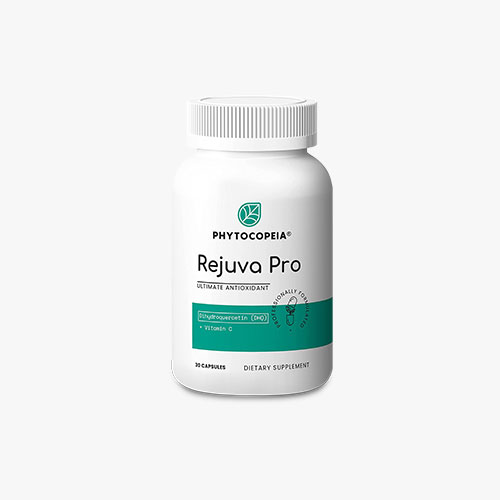
RejuvaPro is a natural supplement that contains the flavonoid quercetin and vitamin C. It is an effective product to fight against reactive oxidative species and free radicals caused by stress and our environments. Besides helping with hair loss, RejuvaPro helps your body inhibit early aging and cancer cell production.
How to Stimulate Hair Growth With Natural Products
Coconut Milk
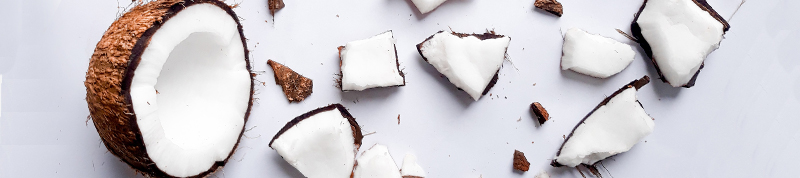
Coconut milk is completely natural and loaded with vitamins like niacin and folate, which improve blood circulation on the scalp [6].
- Coconut milk contains vitamin E and fats that help fight hair damage while profoundly conditioning it.
- Furthermore, it contains proteins, which strengthen hair and help to minimize breakage. It also prevents UV ray damage to hair.
Aloe Vera
There are several beneficial effects of using Aloe Vera on your skin and scalp.
Notably, aloe vera works to promote hair growth and prevent hair loss.
- Contains proteolytic enzymes, which naturally stimulate dormant hair follicles, promoting the regrowth of hair.
- Helps retain moisture and prevents dandruff due to its antioxidant and antibacterial properties [7].
- Increases blood flow to the scalp and thus promotes hair growth.
- Has antifungal and antiviral properties, thus protecting hair from damage.
Amla
Amla is a tree native to India.
- Rich with essential fatty acids and calcium. Both promote healthier hair and strengthen hair follicles, preventing them from breaking.
- Contains potent antioxidants, which improve blood circulation around the scalp stimulating hair growth.
This plant is often dubbed a miracle for gorgeous hair. It enhances hair growth and increases hair quality [8].
Wrap up
Although genetics play a key role in hair health, several other factors can also help in stimulating hair growth.
Eating healthy food, reducing stress, using good hair oil, and avoiding heat styling may also help hair growth.
There’s no magical formula for sudden and instant hair growth, but following all of the above steps can help promote hair growth.
References
- Rajput, R., Understanding Hair Loss due to Air Pollution and the Approach to Management
- Price, V.H., Treatment of hair loss. New England Journal of Medicine, 1999. 341(13): p. 964-973.
- Harrison, S. and R. Sinclair, Hair colouring, permanent styling and hair structure. Journal of Cosmetic Dermatology, 2003. 2(3‐4): p. 180-185.
- Vij, A. and W.F. Bergfeld, Trichodystrophies: A hair-raising differential diagnosis. Clinics in Dermatology, 2015. 33(6): p. 613-621.
- Draelos, Z.D., Care of aging hair and photoprotection, in Aging hair. 2010, Springer. p. 183-191.
- Horev, L., Exogenous factors in hair disorders. Exogenous Dermatology, 2004. 3(5): p. 237-245.
- Henry, R., An updated review of Aloe vera. Cosmetics and toiletries, 1979. 94: p. 42-50.
- Jang, S., et al., Effects of amla (Phyllanthus embilica L.) extract on hair growth promoting. Korean Society for Biotechnology and Bioengineering Journal, 2018.
- Yi, R., Relax to grow more hair. 2021, Nature Publishing Group.
- Afshar, M., Natural Ways to Encourage Faster Hair Growth.