
The 8 Amazing Ginger Health Benefits
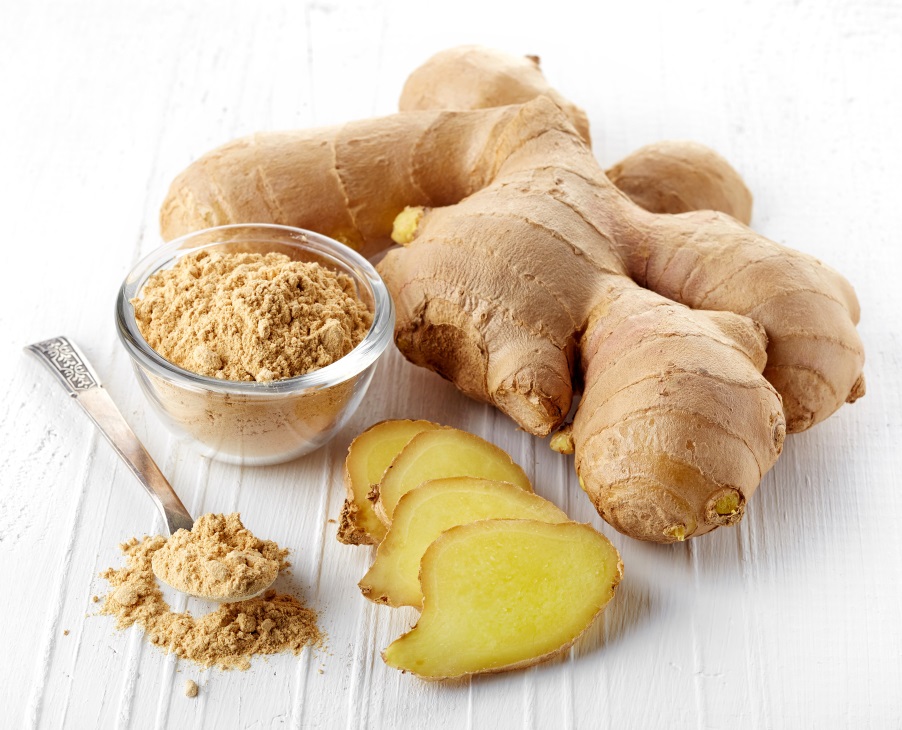
Ginger (Zingiber officinale) root is quite amazing.
This powerful antioxidant has been used in traditional Chinese medicine for centuries. The spicy root, with its pungent active compound gingerol, is the first thing many people reach for to relieve nausea and migraines. Ginger as a flu remedy is well-known across the world. But did you know that some people also use it for its anti-allergenic and blood pressure management properties?
The best part? You can consume ginger in many ways: as tea, juice, candy, or even as a spice in your meals.
It’s clear that this powerful plant has a lot to offer – so let’s dive in and explore the diverse and amazing health benefits of ginger.

Where Do The Benefits of Eating Ginger Come From?
Just like most plants, ginger is a great food choice. It comes packed with vitamins, minerals, and phytochemicals that will nourish your body and help it deal with the effects of the environment.
While we usually buy zingiber officinale – common ginger in supermarkets, the word ginger also refers to its large family of related plants. Ginger’s closest spicy relatives, turmeric and cardamom, are also used as spices and folk medicine. These plants also come with many benefits similar to ginger medicinal uses, and some special effects of their own.
By the way, the term “ginger root” is not technically correct, but it is commonly used. The part of ginger that we consume is a rhizome, a sort of an underground stem that connects the plant to its actual roots.
The health benefits of ginger are so amazing it’s no wonder it has stayed a well-known herbal remedy for many ailments. Here’s what ginger brings to the table:
- It’s a rich source of vitamin C and several types of vitamin B.
- Minerals are also present in large quantities, including iron, magnesium, calcium, and phosphorus.
The unique medicinal properties of ginger likely come from its many phytochemicals.
- Ginger is particularly rich in phenolic phytochemicals like gingerol, shogaol, and paradol.
Along with everything else that makes up what we know and love as ginger root, these chemicals are linked to ginger’s powerful antioxidant, anti-inflammatory, and anti-tumor properties.
Keep in mind that ginger may interact with some medication. If you take medicine, speak with your doctor before adding more ginger to your diet. That’s especially important if you take drugs with anticoagulant effects like warfarin.
What Is Ginger Good For?
1. Strengthens Immunity
This extraordinary plant has strong antiviral, antibacterial, and antifungal properties. Similar to other pungent roots and all thanks to its active compound gingerol, ginger promotes immunity (1).
There are several advantages to this combination of characteristics, and it’s the reason why many people reach for ginger tea when they feel weak or the first flu symptoms show up. Ginger does have the power to make you strong inside out so that you do not fall sick easily.
2. Helps Lower Blood Pressure
If you suffer from untreated hypertension, it can harm your arteries, heart, brain, kidneys, and eyes.
Doctors often prescribe blood pressure drugs, but what if you could lower your blood pressure naturally, without medicine? In fact, ginger is a great companion in helping you deal with heart health issues the natural way (2). Consuming a bit of ginger every day will bring you great cardio-vascular benefits, thanks to its hypolipidemic properties.
Make sure to talk to your doctor before increasing your intake of ginger. That’s especially important if you take medicine, since the powerful effects of the root may counteract your prescription.
3. Supports Healthy Blood Sugar Levels
Along with being an antioxidant and an excellent supplement for blood pressure management, ginger also has powerful anti-diabetic properties.
Sadly, diabetes is among the most widespread endocrine system disorders across the globe. Type 2 diabetes is very common, accounting for more than 90% of all diabetes diagnoses. Chronic hyperglycemia—the medical term for elevated blood sugar—is one of the major symptoms of diabetes.
You’ll be less likely to develop chronic hyperglycemia, which can lead to diabetes, if you keep your blood sugar levels under control. According to studies, using ginger supplements reduced fasting blood sugar levels, as well as hemoglobin A1c levels (3). If your A1c levels are less than 5.7 percent, you’re in the normal range.

4. Relieves Flus, Colds, and Coughs
Are you suffering from cold symptoms like muscle weakness, headaches, or a sore throat and cough? Why not enjoy a cup of delicious ginger tea! Ginger helps relieve flu symptoms fast thanks to its anti-inflammatory properties.
Ginger and anti-inflammatory properties go hand in hand. This simple ginger tea is a good way to relieve flu symptoms. Slice some ginger root, add lemon juice and honey to taste. Pour some hot water over it, and in a few minutes, you’ll have a wonderfully aromatic, spicy ginger tea that’s a lifesaver when you’re down with the flu. It comes with many health benefits, brews quickly, and tastes amazing!
Ginger helps you get rid of a clogged nose and issues with a sore throat. Even the doctors recommend having ginger tea so you can enjoy getting rid of your sinus problems.
5. Improves Digestion
Ginger promotes healthy digestion. It has the power to speed up the emptying of the stomach.
Indigestion, ulcers, constipation, and IBS sufferers may find relief by integrating ginger into their regular diet. For the ones who suffer from stomach aches, ginger is a blessing because of its healing properties.
6. Eases Nausea
We’ve all felt paralyzing nausea – and quick nausea relief is one of the better-known benefits of chewing ginger. Our first reaction may be to go for over-the-counter drugs, but ginger is a simple and cheap fix.
The next time your stomach doesn’t feel right, you don’t have to run to the pharmacy. Make sure to check if you have some ginger on hand – ginger root is used to relieve nausea and vomiting. You can have a bit of ginger tea, but supposedly chewing raw ginger alleviates nausea the fastest.
Whether it’s due to motion sickness, illness, post-surgery symptoms, chemotherapy, or pregnancy, help relieve your symptoms with a little bit of spicy ginger (4).

7. Eases Menstrual Pain
Ginger was shown to be just as effective as ibuprofen for relieving menstrual pain (dysmenorrhea)(5). One of the most revered ginger health benefits for women is helping relieve both cramps and bloating!
Menstrual cramps in the stomach and lower back are a common symptom of dysmenorrhea that millions of women worldwide deal with. The next time you feel cramps during your period, try ginger! But remember – it works best if you eat ginger a day or two before the start of your period (or your most painful day).
8. Brightens Your Smile
Ginger has been found to inhibit the growth of germs that cause periodontitis in the mouth (inflammation of the gums that is caused by gum bacteria). The antibacterial medicinal properties of ginger can accompany medication to help relieve gum inflammation.
Too shy to smile when having your picture taken? Ginger can also help you get rid of the yellow stains on your teeth caused by bacteria.
Easy Ways to Get Ginger Root Benefits Every Day
How can you include ginger into your everyday life without too much effort?
- You may slice ginger and steep it in hot water for tea, chop it into stir-fry recipes, juice it, use it in smoothies, or simply eat a slice!
- Cut a thin slice, peel off the brown skin, and chew the spicy root to get all the health benefits of eating raw ginger root. If the taste is too much, let it sit on your tongue for a while before chewing. Baking and cooking with powdered ginger is also a terrific idea.
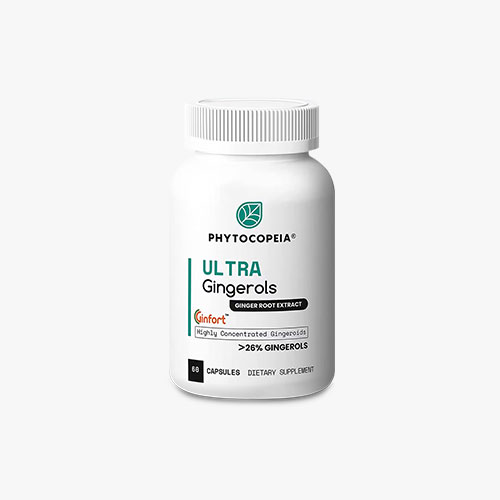
- Natural ginger supplements: Ginger capsules like Ultra Gingerols are convenient and easy to take every day. These are perfect for anybody who doesn’t enjoy the spicy aroma of ginger, and a great way to get all the advantages of eating raw ginger.
- Ginger chews are comparable to ginger candies, but with a milder flavor. Check the ingredients to make sure you’re not consuming too much sugar or corn syrup. Chewing baby ginger root health benefits are strong too!
- Ginger oil can be used orally or applied topically to ease pain. People like to get ginger essential oil massages for a range of relaxing benefits.
Spicy and Wonderful
With so many health advantages and so many ways to consume ginger, it’s a no-brainer to start adding it into your daily routine! All you need to do is to find your favorite way to eat more of it, and you’ll be all set to get maximum ginger health benefits.
Keep in mind that ginger can interact with medicine. Talk to your doctor or pharmacist to make sure ginger is safe to combine with your prescription medicine.
References
- Nafiseh Shokri Mashhadi, Reza Ghiasvand, Gholamreza Askari, Mitra Hariri, Leila Darvishi, and Mohammad Reza Mofid – “Anti-Oxidative and Anti-Inflammatory Effects of Ginger in Health and Physical Activity: Review of Current Evidence”, 2013
- Hossein Hasani, Arman Arab, Amir Hadi, Makan Pourmasoumi, Abed Ghavami, Maryam Miraghajani – “Does ginger supplementation lower blood pressure? A systematic review and meta-analysis of clinical trials”, 2019
- Nafiseh Khandouzi, Farzad Shidfar, Asadollah Rajab, Tayebeh Rahideh, Payam Hosseini, and Mohsen Mir Taherif – “The Effects of Ginger on Fasting Blood Sugar, Hemoglobin A1c, Apolipoprotein B, Apolipoprotein A-I and Malondialdehyde in Type 2 Diabetic Patients”, 2015
- Iñaki Lete and José Allué – “The Effectiveness of Ginger in the Prevention of Nausea and Vomiting during Pregnancy and Chemotherapy”, 2016
- Giti Ozgoli, Marjan Goli, Fariborz Moattar – “Comparison of effects of ginger, mefenamic acid, and ibuprofen on pain in women with primary dysmenorrhea”, 2009