
Phytochemicals Found in Foods are Important Because of These Reasons
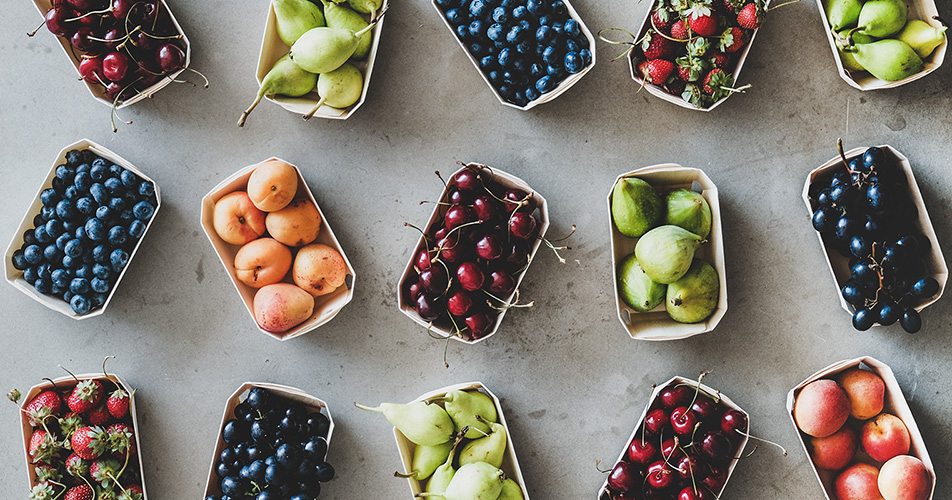
Over here at Phytocopeia, we believe in the power of nature. Plants are particularly rich with nutrients that can help your body heal, revitalize, and ward off disease. Today, we’ll talk about phytochemicals found in foods and what makes them so good for our health.
What Are Phytochemicals?
Phytochemicals, also known as phytonutrients, are the chemicals found in plants – and they come with a wide variety of benefits.
In Greek, “phyto” means “plant”, so phytochemicals are all-natural compounds. However, it can be hard to consume as much fruit and veggies as is needed for the health benefits. That’s why we use science-backed ways to isolate these chemicals using technologically advanced extraction methods.
Phytochemicals protect plants from fungi, bacteria, viruses, parasites, and even animals. We can reap some of those benefits.
Some phytonutrients have been used as poisons and some as traditional medicines. There are more than 10,000 types of phytochemicals out there, and they’re responsible for different features of plants. For example, flavonoids give color to flowers, fruits, and vegetables.
Phytochemicals play an essential role in pollination, germination, and seed dispersal by attracting insects and birds [1].
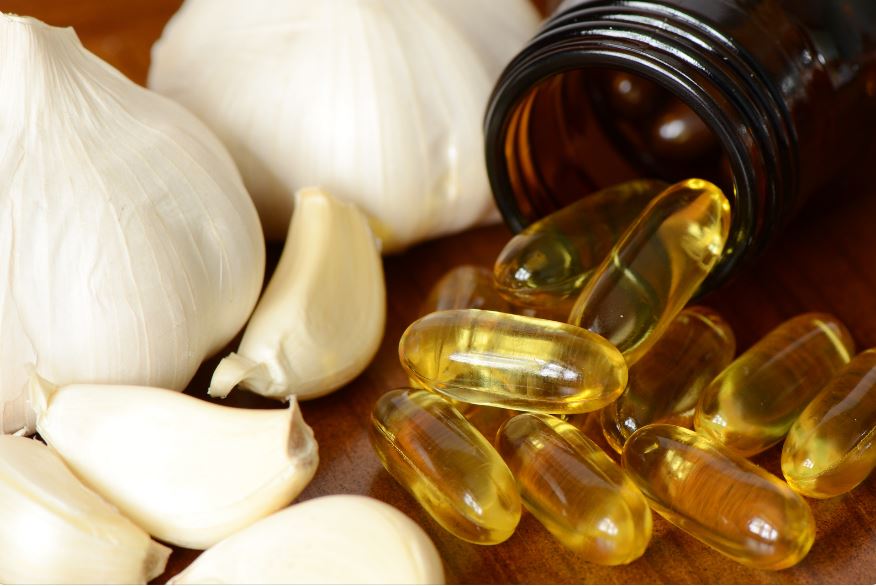
Phytochemicals Found in Foods are Important Because of These Reasons
Phytonutrients in food are classified into polyphenols, alkaloids, terpenoids, phytosterols, and organosulphur compounds [2]. Several phytochemicals are well-known traditional medicines and herbal medicines.
- Many phytochemicals out there reduce inflammation – especially the phenolics and triterpenoids in fruits and vegetables.
- Malaria is treated by quinine, a phytochemical from cinchona bark.
- Urinary tract infections were treated by proanthocyanidins, a phytochemical present in cranberries.
- Polyphenols are a huge class of phytochemicals. These have intense antioxidant properties.
- Anthocyanin is famous for its heart health benefits – it’s one of the reasons berries are considered a superfood!
The Importance of Polyphenols
Polyphenolics are the most common and thoroughly studied phytochemicals; almost 8000 polyphenols are reported out there.
Chemically, its defining feature is to have at least one hydroxyl group directly attached to the aromatic ring
Polyphenolic compounds in plants protect from predators. Some phenolic compounds act as attractants for insects too, which helps pollination.
In humans, polyphenols help manage blood sugar. But more famously, polyphenols are known to improve blood vessel and heart health, help promote healthy blood pressure, and promote circulation.
Polyphenolic phytochemicals have suitable antioxidant activities due to the presence of hydroxyl groups. Polyphenols are classified into flavonoids, phenolic acids, stilbenes, and isoflavones [3].
Anthocyanin
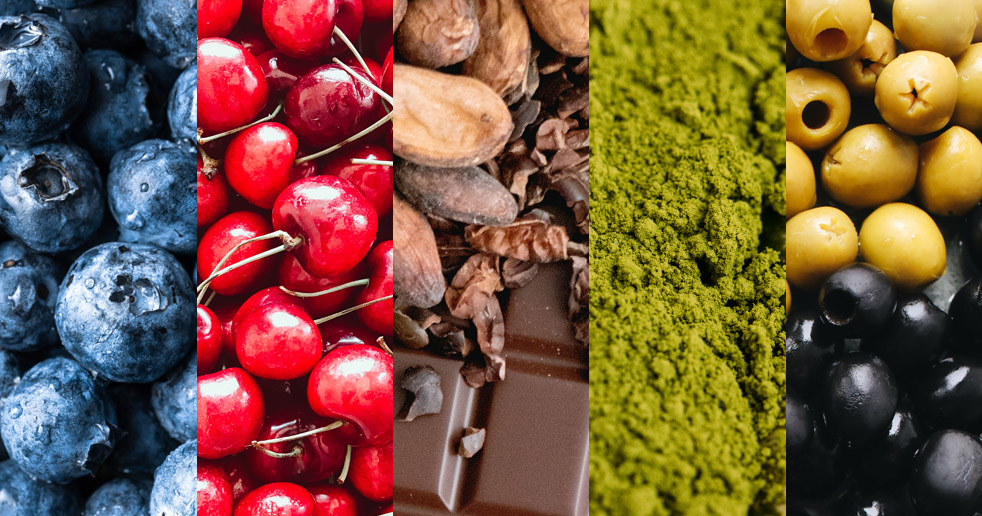
It’s the pigment that gives blueberries, plums, black beans, black rice, red onions, eggplant, cherries, cranberries, and grapes their rich colors.
As a type of flavonoid, anthocyanins are powerful antioxidants. These phytochemicals are scientifically shown to have strong anti-inflammatory and antimicrobial benefits too. Anthocyanins have the power to help your body fight off diabetes, cardiovascular diseases, and even cancers.
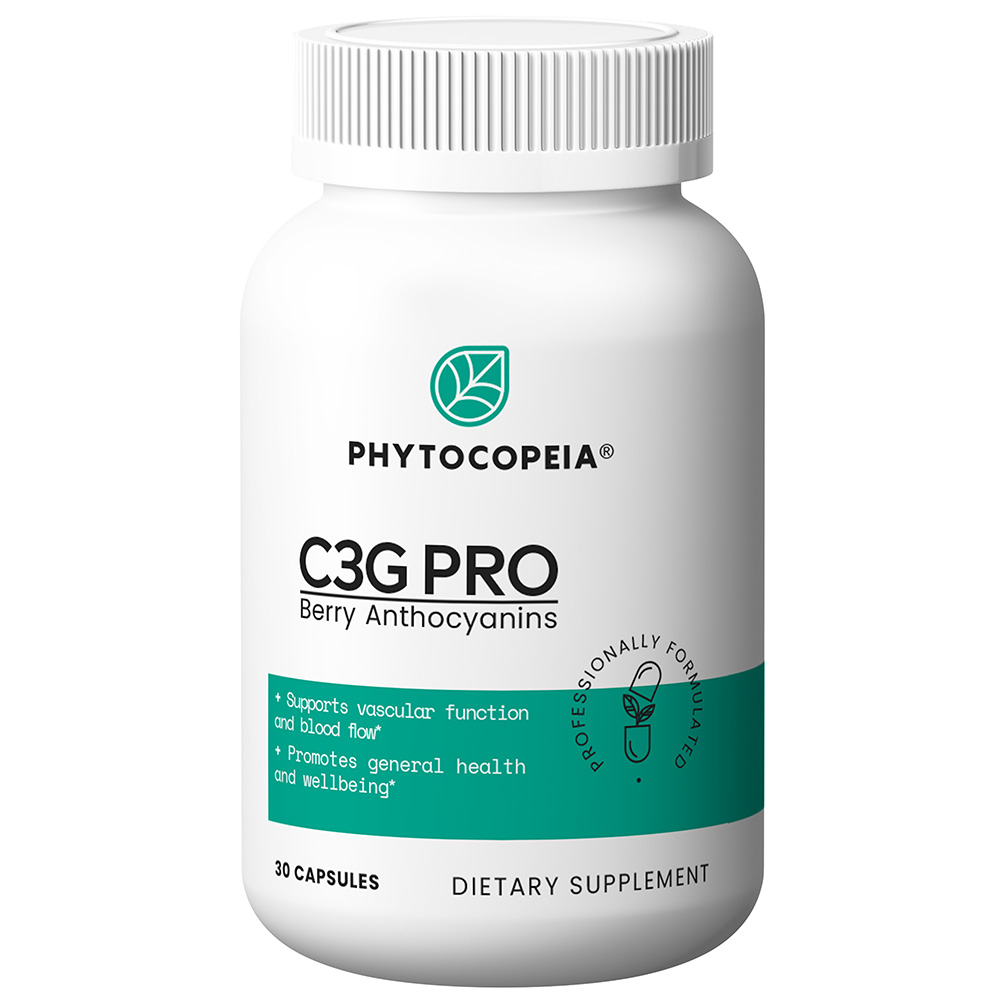
The downside is that anthocyanin from fruits and veggies is somewhat difficult for our bodies to absorb. So, if you think you don’t get enough anthocyanin and other flavonoids through your diet, a natural supplement might be a good choice – we recommend Phytocopeia C3G Pro!
Quercetin
Quercetin is a polyphenol that belongs to the group of flavonoids. Flavonoids are pigments that give color to different plants including blueberries, wine, and cocoa.
Reactive oxidative species or free radicals speed up aging and even boost cancer cell production. Like other flavonoids, quercetin has good antioxidant properties. So much so that it can help your body deal with reactive oxidative species very effectively. Quercetin aids in managing blood sugar levels and blood pressure and helps prevent different heart diseases [4].
Rutin
Also known as rutoside, it is a citrus flavonoid found in different fruits and vegetables. Rutin is an alternative remedy for osteoarthritis and other inflammations. It plays an essential role in blood circulation and boosts the immune system to fight against heart diseases.
Studies confirmed that rutin enhances vitamin C’s effectiveness against diseases. Everyday use of rutin can help prevent skin from aging through its good antioxidant properties [5].
The Importance of Alkaloids
Alkaloids are naturally occurring organic phytochemicals, and they usually contain at least one nitrogen in their structure. Alkaloids play diverse roles in medical chemistry as they have antitumor, anti-inflammatory, analgesic hypnotic, antimitotic, psychotropic, and antibacterial activities.
Caffeine and Quinine are two well-known alkaloids with several medicinal uses.

Caffeine
Don’t you love your morning cup of joe? Not only does coffee have the power to boot you right up, but it also comes with quite a few health benefits!
Caffeine is a crucial alkaloid having stimulation properties. When taken in a moderate amount, caffeine increases the activity of our brain and nervous system.
Not only that – it also helps your guts do what they do, and even protects against diabetes.
The food and drug administration says you shouldn’t have more than two to three cups of coffee daily (400 mg caffeine), as there are dangers to excessive caffeine intake [6].
Quinine
Quinine is a naturally occurring chinchona alkaloid used to treat malaria. Idiopathic muscle cramps can also be treated with quinine [7].
The Importance of Phytosterols
Phytosterols, also known as plant sterols or stanol esters, are naturally occurring organic phytochemicals in plant cell membranes. The chemical structure of phytosterols is almost the same as the cholesterol in our bodies.
The phytosterols in our diet compete with cholesterol in the digestive system. This results in less cholesterol absorption, and consequently less bad cholesterol buildup. As a result, phytosterols reduce your risk of heart disease and stroke.
Phytosterols appear across foods on our tables, but unrefined plant oils like virgin olive oil have particularly high concentrations [8].
The Importance of Organosulfur Compounds
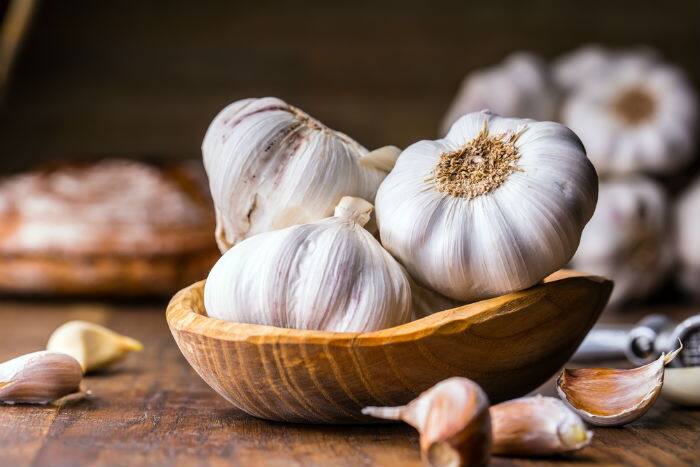
Organosulfur compounds are organic compounds that come with a characteristic smell. Sulfur is responsible for the strong aromas of vegetables like onion and garlic.
They possess antioxidant and anti-inflammatory properties, and they’re famous for their antibacterial effects that help our immune systems fight off disease. Due to their anti-inflammation properties, these phytochemicals are promising to fight against heart diseases [9].
Phytochemical-Based Supplements by Phytocopeia
Over here at Phytocopeia, we believe in the power of nature. We utilize high-end technologies to extract the best-quality nutrients from veggies and fruits. Our products can bring you targeted results when you just don’t have the time or the appetite to eat particular foods for their health benefits. Here are a couple of examples:
-
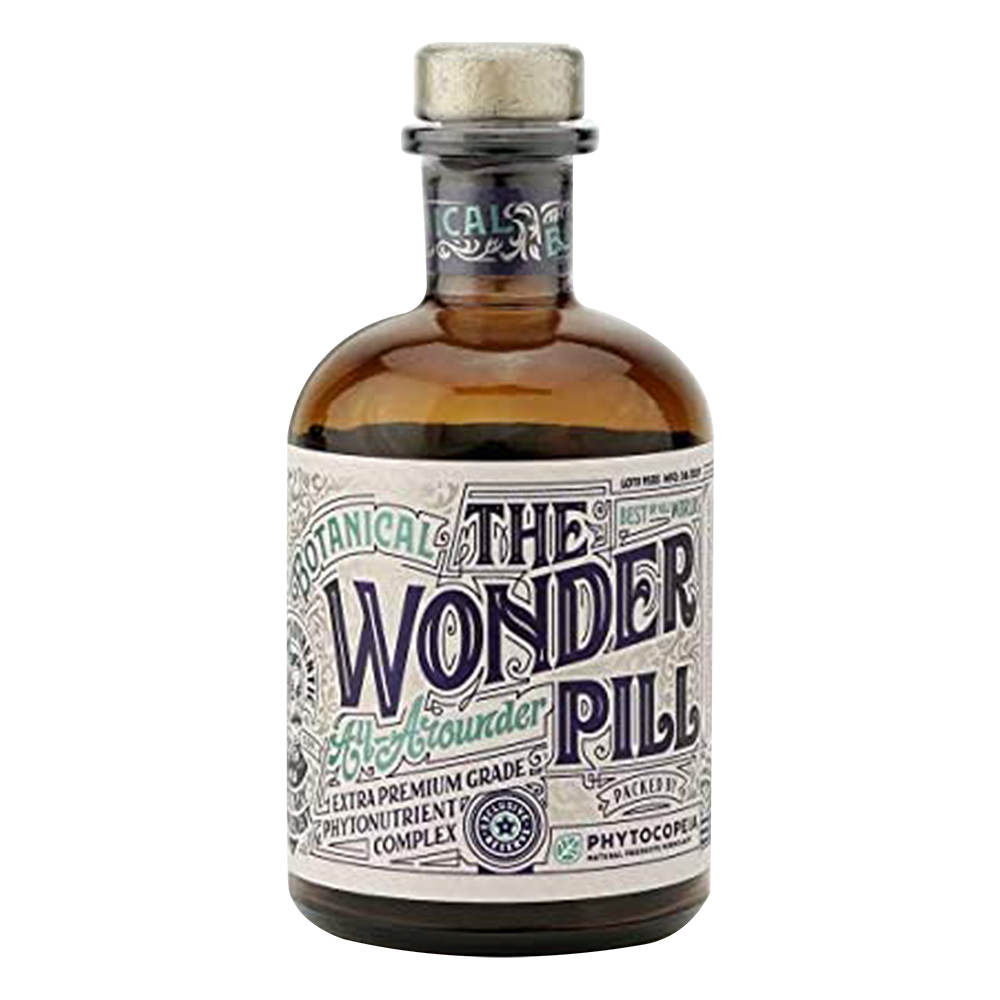
Botanical Wonder Pill
Promotes healthy aging and reduces acne breakouts. Other benefits include boost red blood cells. help with weight loss, heal damaged skin, neutralize toxins, and cut inflammation.
$39.99
Botanical Wonder Pill is a 9-in-1 product that, among other phytochemicals, also contains rutin. It prevents the early aging process and reduces acne breakouts. In addition, it boosts your red blood cells, heals the damaged skin early, and also neutralizes the toxins.
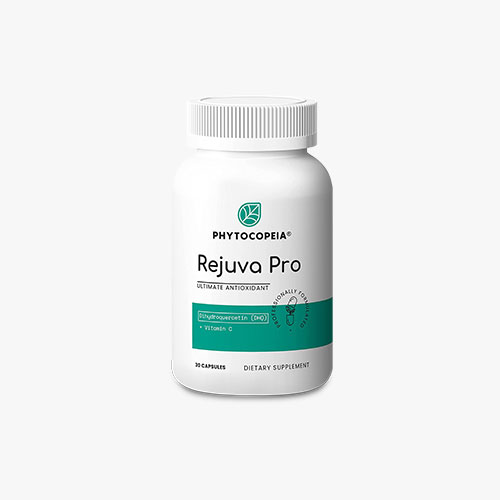
RejuvaPro is a product by Phytocopeia that comes packed with quercetin (Flavonoid) and vitamin C. It is an effective product to fight against reactive oxidative species and free radicals responsible for early aging and cancer cell production.
References:
- Craig, Winston J. “Phytochemicals: guardians of our health.” Journal of the American Dietetic Association 97, no. 10 (1997): S199-S204.
- Bayir, Ayse Gunes, Huriye Senay Kiziltan, and Abdurrahim Kocyigit. “Plant family, Carvacrol, and putative protection in gastric cancer.” In Dietary Interventions in Gastrointestinal Diseases, pp. 3-18. Academic Press, 2019.
- Martinez, Kristina B., Jessica D. Mackert, and Michael K. McIntosh. “Polyphenols and intestinal health.” In Nutrition and functional foods for healthy aging, pp. 191-210. Academic Press, 2017.
- Tang, Si-Min, Xue-Ting Deng, Jian Zhou, Quan-Peng Li, Xian-Xiu Ge, and Lin Miao. “Pharmacological basis and new insights of quercetin action in respect to its anti-cancer effects.” Biomedicine & Pharmacotherapy 121 (2020): 109604.
- Patel, Kanika, and Dinesh Kumar Patel. “The beneficial role of rutin, a naturally occurring flavonoid in health promotion and disease prevention: a systematic review and update.” Bioactive food as dietary interventions for arthritis and related inflammatory diseases (2019): 457-479.
- dePaula, Juliana, and Adriana Farah. “Caffeine consumption through coffee: Content in the beverage, metabolism, health benefits and risks.” Beverages 5, no. 2 (2019): 37.
- Chow, M. Y. K., S. Quine, and M. Li. “The benefits of using a mixed methods approach–quantitative with qualitative–to identify client satisfaction and unmet needs in an HIV healthcare centre.” AIDS care 22, no. 4 (2010): 491-498.Ludwiczuk, A., K. Skalicka-Woźniak, and M. I. Georgiev. “Terpenoids.” In Pharmacognosy, pp. 233-266. Academic Press, 2017.
- Jones, Peter JH, Diane E. MacDougall, Fady Ntanios, and Catherine A. Vanstone. “Dietary phytosterols as cholesterol-lowering agents in humans.” Canadian journal of physiology and pharmacology 75, no. 3 (1997): 217-227.
- Galavi, Amin, Hossein Hosseinzadeh, and Bibi Marjan Razavi. “The effects of Allium cepa L.(onion) and its active constituents on metabolic syndrome: A review.” Iranian Journal of Basic Medical Sciences 24, no. 1 (2021): 3.