
8 Good Natural Dopamine Supplements
Are you feeling irritable, depressed, and unmotivated? Finding your happy place is difficult when you’re dealing with dopamine deficiency.
Luckily, there are a few ways to help your hormones get back in balance and bring back your peace of mind. We did our research to find the most effective, scientifically-backed natural dopamine supplements that work. But first, let’s cover the basics of how dopamine works.
What is Dopamine?
Dopamine is a neurotransmitter.
It works alongside serotonin, GABA, glutamate, histamine, norepinephrine, and acetylcholine to send messages across your nervous system. Essentially, neurotransmitters are molecules that the neurons in our brain use to signal and communicate with one another [1].
In particular, dopamine is responsible for some of our favorite emotions: joy, pleasure, and the feeling of pride we get when we accomplish a goal. Often called the motivation molecule, the quest for dopamine inspires us to work hard for our future rewards.
The anticipation of this reward allows us to persevere through the difficult path of accomplishing our goals when the dopamine system works correctly.
Problems arise when we either don’t have enough dopamine or get too used to our regular doses.

What Causes Low Dopamine?
Low dopamine levels can be caused by poor lifestyle, the environment, or underlying medical conditions. ADHD and Parkinson’s disease are two common health conditions that result in low dopamine.
Dopamine deficiency symptoms may include depression, anxiety, loss of sex drive, fatigue, apathy, cravings for sugar and caffeine, forgetfulness, and brain fog.
If things are going well yet you keep on finding yourself in the ditch, you may be dealing with a dopamine disruption. You may not be producing enough dopamine, or more likely, your dopamine sensors may be overloaded.
The most common causes of dopamine disruptions:
- Poor diet
- Stress
- Sleep deprivation
A diet with a lot of refined sugars may feel pleasant at first – after all, a sweet treat will give you a dopamine shot. But just like with other substances, you quickly start needing more and more sugar for the same amount of happy hormones.

But your neurotransmitters (and other hormones) go on a fritz when you eat a bad diet for a while.
Building good eating habits (and occasionally rewarding yourself with treats) will result in better hormone regulation – making each hit of dopamine count.
In other words – An apple a day keeps the clouds away 😉
The 8 Natural Dopamine Supplements That Help Regulate Mood
Dietary and lifestyle changes are a sure way to more happiness – and a better state of your dopamine receptors. But, when the going gets tough, it can be hard to work on habit changes. In the meantime, supplements can be a great way to increase dopamine levels (and your overall health) and help keep you focused, alert, and vibrant.

1. Mucuna Pruriens (Velvet Bean)
Mucuna pruriens is a bean that’s been used in Indian ayurvedic medicine for many, many years.
This natural supplement contains significant levels of L-dopa, which is a powerful mood regulator. It also exhibits neuroprotective effects against stress and oxidative damage in the brain.
Mucuna pruriens is arguably one of the best precursors to supplement dopamine levels. That’s because its active ingredient, L-dopa, is the furthest along the metabolic pathway to becoming dopamine. That means that it requires the least amount of work for the body to convert into dopamine directly.
2. Magnesium
Science seems to agree that magnesium can help alleviate the symptoms of depression.
This mineral comes with many functions in the body. In fact, magnesium helps support your overall health, including building protein and helping nervous system activity. In addition, it’s also known to interact with both dopamine and serotonin systems in the brain.

3. Omega-3 fatty acids
Omega-3 fatty acids are most commonly supplemented with fish oil. Simply increasing the amount of fish in your diet might work – though flaxseed and algal oil derivatives are also a good option.
Omega-3 fatty acids derivatives are available as well. Omega-3 fatty acids are super beneficial for the brain and circulatory systems. Most importantly, studies suggest that deficiencies in omega-3 fatty acids can contribute to depression by affecting dopamine and serotonin systems.
Consider supplementing with a quality omega-3 fatty acid supplement for dopamine deficiency symptoms.
4. Uridine
Uridine is a nutrient found commonly in brewer’s yeast, and it’s super important for maintaining the fragile phospholipid membranes in our neurons. It also acts as a neural growth factor and promotes the growth and repair of neural structures. Studies have found that supplementation with Uridine can increase dopamine levels by up to 20 percent [3].
5. Curcumin
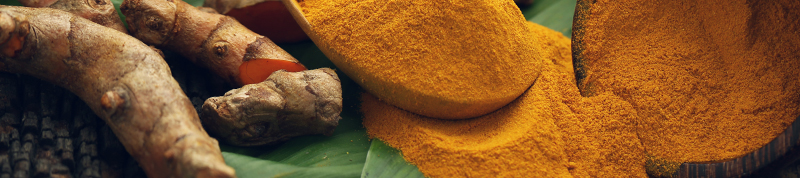
Curcumin is the primary medicinal compound found in the turmeric root and is touted for its comprehensive benefits across the brain and body. It’s well-known as an antioxidant and a powerful anti-inflammatory compound that can help your body battle many diseases.
Among other effects, curcumin has been found to increase dopamine and serotonin levels in the brain and have anti-depressive effects [4].
One thing to note is that curcumin does not have excellent bioavailability or absorption unless combined with black pepper. That means that you’d need to eat a lot of turmeric root to get barely any health benefits. Luckily, using the micronization technology, we made curcumin easier to absorb – making CurcumaPRO the most efficient way to get the powerful health benefits of curcumin.
-
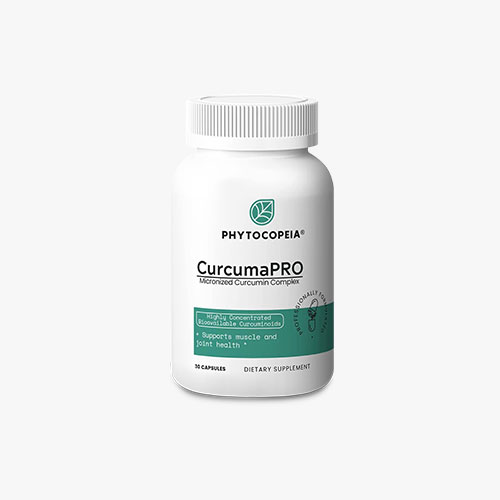
CurcumaPRO
Superior micronization technology allows for maximum absorption and protection against inflammation. Also has a derivative of curcumin called Bisdemethoxycurcumin that possesses several biological activities.
$29.99
6. Iron
Iron is an essential nutrient with several important uses in the body.
But, it’s especially important for the production of the enzyme tyrosine hydroxylase. This enzyme is fundamental for converting tyrosine into L-dopa.
Now, suppose someone has an iron deficiency. In that case, it’s possible that they also have a tyrosine hydroxylase deficiency, which means that even if they’re getting enough tyrosine, they might still not be converting enough of it into dopamine.

7. Vitamin D
Vitamin D has been shown to increase dopamine levels in the brain and reverse the damage to the dopamine system caused by high-fat diets and obesity.
It’s estimated that as much as 50% of the population of the world has at least a mild type of vitamin D deficiency. This vitamin has a lot of uses, making your bones, teeth, and nails stronger. But, it also has important effects on brain health and mood regulation. In fact, vitamin D deficiency has the ability to trigger depressive episodes. Vitamin D deficiencies have been found in those who experience depression, and supplementation with vitamin D is critical [5].
So, before you reach for an anti-depressant, spend some time in the sun – it might help!
8. L-theanine
L-theanine is an amino acid found in green tea that’s responsible for some of the calming effects. While green tea does wake you up thanks to its caffeine content, it also has the power to calm you down. L-theanine can give a mild dopamine boost while protecting against the toxic effects of too much dopamine activity.
This makes L-theanine great to pair with caffeine or excessive stress from dopamine activity – it can take the edge off the over-stimulating effects.
Wrap up
Because the dopamine system is complex, we can’t just press a button to get the desired results. The best way of increasing dopamine is to combine healthy behavior choices with a pro-dopamine diet and supplementation. In essence, that means choosing healthier foods and habits in our daily lives. Even though it may seem like a candy bar will make you happier, it isn’t that simple in the long run. Ultimately, you’ll live a happier, more fulfilled life with a healthy diet, enough exercise, and an occasional treat. Natural dopamine supplements can help you in the meantime.
We need to balance the system and approach increasing our dopamine from multiple facets and angles to accomplish more dopamine production and better dopamine balance in our signaling system.
References
- Berke, J.D., What does dopamine mean? Nature neuroscience, 2018. 21(6): p. 787-793.
- Jarcho, J.M., et al., Pain, affective symptoms, and cognitive deficits in patients with cerebral dopamine dysfunction. PAIN®, 2012. 153(4): p. 744-754.
- Iglesias, E., et al., Uridine prevents negative effects of OXPHOS xenobiotics on dopaminergic neuronal differentiation. Cells, 2019. 8(11): p. 1407.
- Bhat, A., et al., Benefits of curcumin in brain disorders. BioFactors, 2019. 45(5): p. 666-689.
- Kesby, J.P., et al., Developmental vitamin D deficiency alters dopamine turnover in neonatal rat forebrain. Neuroscience Letters, 2009. 461(2): p. 155-158.
- Growdon, J.H., et al., Effects of oral L-tyrosine administration of CSF tyrosine and homovanillic acid levels in patients with Parkinson’s disease. Life Sciences, 1982. 30(10): p. 827-832.