
What Is The Best Natural Anti-Inflammatory Supplement?

Are you dealing with injury, illness, or long-term inflammation and wondering what is the best natural anti-inflammatory supplement? There are almost as many supplements out there that reduce inflammation as there are factors that cause it. Today, let’s list and discuss some of the most effective yet completely natural anti-inflammatory supplements.
What Causes Inflammation in The Body?
Usually, moderate inflammation is a short-term immune response to illness, injury, or simply stress from wear and tear.
However, if your symptoms don’t seem to go away, you might be dealing with chronic inflammation.
Poor diet, inadequate sleep cycles, smoking, pollution, and other lifestyle factors can cause long-term inflammation. Sugar and saturated fats are among the most dangerous inflammatory foods, so it’s important to reduce or consume those foods in moderation.
If chronic inflammation is left untreated or its causes don’t go away, it can lead to more serious health conditions. It may cause you trouble for years, causing discomfort.

What are the Symptoms of Inflammation?
Inflammation comes in many forms and it can be a completely unique experience for everybody, every time they suffer from it. That’s because inflammation is basically your immune system‘s response to discomfort. Inflammation plays a big role in recovering from illness, injury, or bad environmental impacts. However, sometimes you get too much of it – in a way, your body over-reacts, hindering instead of helping the healing process.
If you got injured or sick, you might experience some of these short-lasting acute inflammation symptoms:
- Swelling
- Redness and flushing
- Pain
- Warm and tender skin around the affected area
However, if you’re dealing with long-term issues with chronic inflammation, you may suffer from these symptoms for months or even years:
- Frequent chest or stomach pains, constipation, acid reflux
- Fatigue and a persistent lack of energy, insomnia
- Stiffness and pain of joints or muscles (arthralgia or myalgia)
- Skin rashes
- Mood issues like depressive episodes or anxiety
- High sensitivity to infections and illnesses

Do You Need Anti-Inflammatory Supplements?
It might seem like something everybody goes through, but chronic inflammation can cause more serious issues in the long run. Inflammation sits at the root of many debilitating illnesses, including:
- Diabetes
- Cardiovascular diseases
- Arthritis and joint pain
- Breathing problems like COPD
- Alzheimer’s disease
- Psoriasis
- Allergies.
In fact, it can be argued that chronic inflammatory diseases have the most devastating death rates in the world.
So, the answer to the question of whether you should take anti-inflammatory supplements depends on both your condition and your diet.
If you’re dealing with acute symptoms due to injury, infection, or an irritant, you may help your body calm down by increasing healthful, anti-inflammatory herbs and foods. These include most plants, but most notably tomatoes, olives, blueberries, ginger, nuts, and beans.
In addition, symptoms usually get better with lifestyle changes like improved exercise, sleep, and stress management.
However, sometimes you simply can’t eat enough of the good stuff to truly ward off disease. In cases like that, a good anti-inflammatory supplement can be a lifesaver!
List Of Best Natural Anti-Inflammatory Supplements
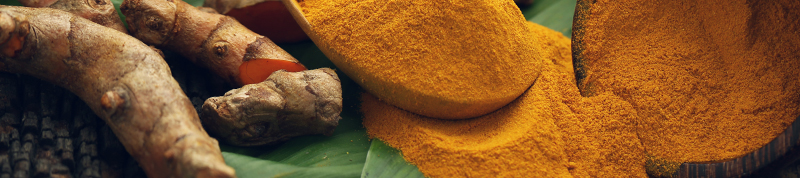
1. Curcumin
Often used in cooking, turmeric is a favorite spice in some Asian cuisines and a key ingredient of curry. Its active ingredient, curcumin, is the main reason why turmeric anti-inflammatory supplements work so well to deserve a first place on our list!
There are several health benefits of turmeric, one of them being reducing inflammation. The best part about this is that it can work well for people suffering from chronic diseases like diabetes, heart disease, osteoarthritis, and rheumatoid arthritis.
However, it’s not enough to simply consume more turmeric. Curcumin, the active ingredient in turmeric, is notoriously hard to absorb in our bodies. Most of it gets flushed away as it just runs through the body.
Luckily, there are two ways for your body to absorb and use more curcumin health benefits. One is consuming your turmeric along with black pepper. The other is simpler, albeit less tasty: Taking a micronized curcumin supplement. Here at Phytocopeia, we use the cutting-edge technology of micronization to reduce particle size and make your curcumin supplement easy to absorb. With a bottle of micronized curcumin, you can rest assured you’re getting the most out of this wonder plant!
-
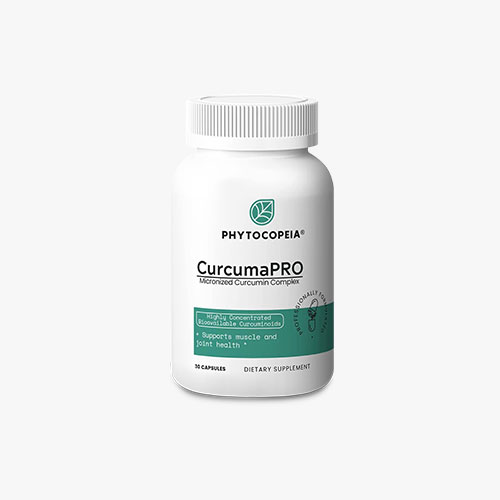
CurcumaPRO
Superior micronization technology allows for maximum absorption and protection against inflammation. Also has a derivative of curcumin called Bisdemethoxycurcumin that possesses several biological activities.
$29.99
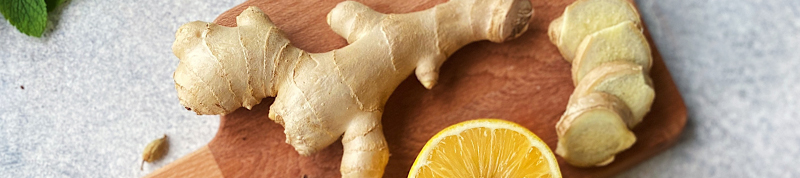
2. Ginger
Ginger root is one of the best-known anti-inflammatory foods and supplements out there. It is frequently used in herbal medicines, folk medicine, and natural supplements because of the many different health benefits it has to offer. Gingerol and Zingerone are the two main components of Ginger that are known to reduce inflammation and improve overall health.
Along with helping your body deal with injury or illness, ginger can also alleviate nausea and aid digestion.
While ginger is an amazing anti-oxidative and anti-inflammatory supplement, you should consult your doctor before including ginger in your routine as it can interfere with certain medications.

3. Fish Oil
Fish oil is a supplement with countless benefits. It contains omega-3 fatty acids that are very important for overall health because it regulates cell membranes and helps improve hormonal balance.
Omega-3 essential fatty acids found in fish oil have also proved helpful in decreasing inflammation too, and quickly at that. The two primary omega-3s in fish oil are EPA (eicosapentaenoic acid) and docosahexaenoic acid (DHA). Both these omega-3s help resolve the issue of inflammation, so don’t skip on that salmon dinner!

4. Resveratrol
Have you ever heard that some people drink a glass of red wine every day for its health benefits? The chemical behind wine’s health benefits is resveratrol. This is another good, naturally-sourced supplement that can help solve the inflammation problem.
The phytochemical resveratrol is commonly found in fruits like grapes, blueberries, and more fruits with purple skin. It is a known fact that people with chronic conditions like obesity, liver diseases, and ulcerative colitis (UC) can take Resveratrol to reduce inflammation.

5. Garlic
The organosulfur compounds in garlic have powerful anti-inflammatory effects. You can take supplements, apply garlic oil to the affected area if you’re dealing with an injury, or simply up your intake of this superfood!
Garlic doesn’t just act as an anti-inflammatory but also improves digestion, strengthens your immune system, and wards off several disease-causing pathogens.
Control Inflammation The Natural Way
So, if you came here wondering what is the best natural anti-inflammatory supplement that can be easily found on the market, you’re in luck! Nature offers plenty of solutions, so you can choose the supplement that will bring you maximum additional benefits. We even offer a few of the mentioned anti-inflammation supplements.
In addition, each of the dietary supplements mentioned above comes with a lot of other benefits that go beyond just treating inflammation, so you’ll likely decide to keep on taking them even once your inflammation problem is resolved.
References:
- Chronic Inflammation. Treasure Island (FL): StatPearls Publishing; 2022
- Molecular mechanisms of curcumins suppressing effects on tumorigenesis, angiogenesis and metastasis, focusing on NF-κB pathway. Cytokine Growth Factor Rev. 2016
- Role of curcumin in systemic and oral health: An overview. J Nat Sci Biol Med. 2013
- Mitigation of Systemic Oxidative Stress by Curcuminoids in Osteoarthritis: Results of a Randomized Controlled Trial. J Diet Suppl. 2016
- Influence of piperine on the pharmacokinetics of curcumin in animals and human volunteers. Planta Med. 1998
- Omega-3 fatty acids in inflammation and autoimmune diseases. J Am Coll Nutr. 2002
- The Immunomodulation and Anti-Inflammatory Effects of Garlic Organosulfur Compounds in Cancer Chemoprevention. Anticancer Agents Med Chem. 2014
- Influence of piperine on the pharmacokinetics of curcumin in animals and human volunteers. Planta Med. 1998
- Omega-3 fatty acids in inflammation and autoimmune diseases. J Am Coll Nutr. 2002
- The Immunomodulation and Anti-Inflammatory Effects of Garlic Organosulfur Compounds in Cancer Chemoprevention. Anticancer Agents Med Chem. 2014